

Band merchandise is the original streetwear. Long before Supreme drops or Palace collabs, fans wore tour tees as identity markers, turning graphic systems built around bands into the visual grammar of street style. The examples of band merch influencing streetwear are now impossible to ignore: Nike partners with BTS, Verdy merges Wu-Tang Clan with pizza culture, and Joy Division’s album art lands on silk-screened hoodies built for daily wear. This article breaks down nine concrete cases where music merch crossed into fashion, and explains exactly how design, distribution, and cultural signaling made each one stick.
1. Standout examples of band merch that shaped streetwear
The clearest way to understand how band merch shapes streetwear is to look at the collaborations that moved product off concert floors and into fashion retail. Three 2026 releases define the current moment.
Nike x BTS “ARIRANG” merch and Nike By You customization. Nike and BTS launched a customization experience with 10 BTS-inspired designs, letting fans personalize T-shirts, hoodies, and Korea-only caps using bold typography and symbolic graphic elements tied to the ARIRANG world tour. This is not a standard merch drop. It is a co-design system where fandom becomes the design brief, and the output is clothing people wear beyond the concert.
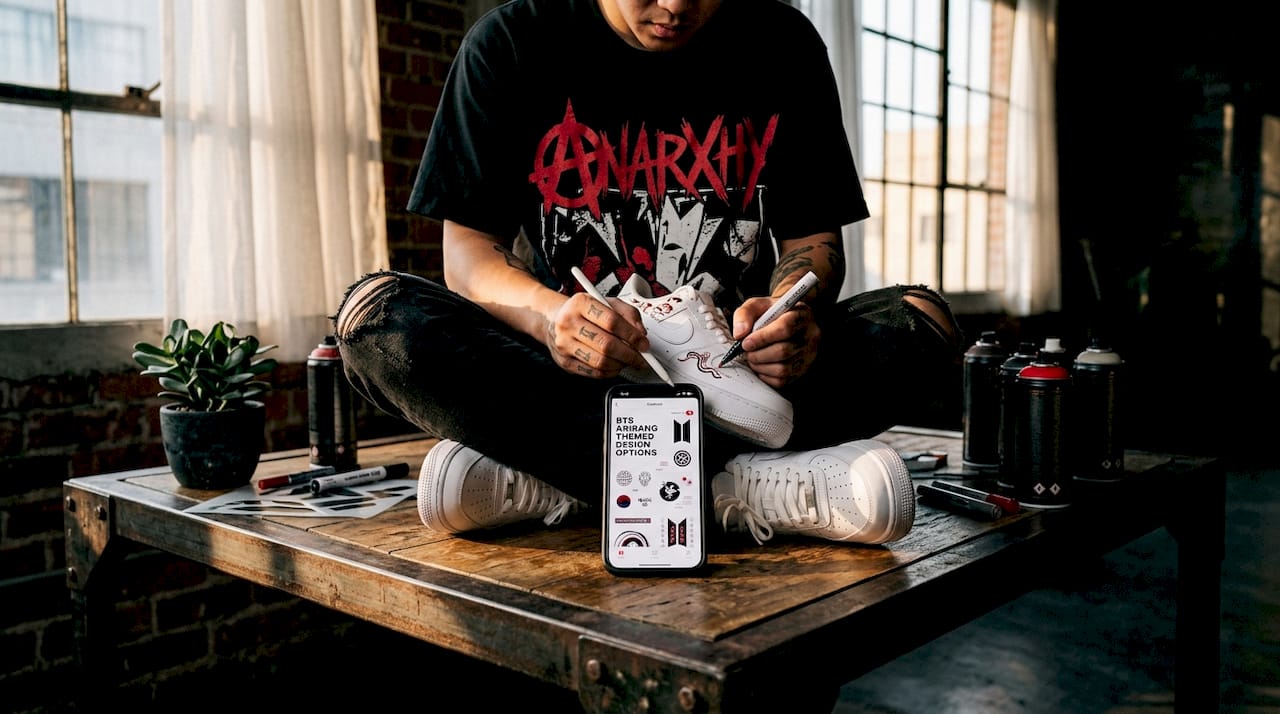
Verdy x Wu-Tang Clan x Henry’s Pizza. Verdy’s Wu-Tang Clan collection, released in-store May 24 and online May 25, merges the Wu-Tang “W” logo with Henry’s Pizza branding across zip-up hoodies and boxed graphic tees. The combination sounds absurd until you see it. Verdy understands that streetwear thrives on unexpected cultural collisions, and Wu-Tang’s iconography is strong enough to anchor any context.
BlurhmsROOTSTOCK x Joy Division. Released late April 2026, this capsule uses album artwork from Unknown Pleasures, Closer, and Love Will Tear Us Apart printed with sustainable silk-screen techniques. The print sizing and placement are calibrated for everyday wear, not stage visibility. That distinction separates merch from streetwear.
Pro Tip: When evaluating a band merch drop for streetwear potential, ask whether the graphic works at arm’s length on a crowded street, not just on a stage screen. If it reads clearly and carries meaning without context, it has streetwear legs.
2. How graphic design turns band visuals into streetwear staples
Band merch transitions into streetwear when its graphic language becomes repeatable and context-independent. A logo that only makes sense at a concert is a souvenir. A graphic system that communicates identity anywhere is a streetwear piece.
The mechanism works through three design decisions:
-
Graphic anchors. Bands like Joy Division and Wu-Tang Clan built visual identities so distinct that their graphics function as standalone art. The Joy Division pulse wave from Unknown Pleasures needs no band name to communicate. That cultural legibility is what makes historic album art a natural fit for everyday wear.
-
Print size and placement. A chest-centered oversized graphic reads differently than a left-chest logo or a back-panel statement. BlurhmsROOTSTOCK’s Joy Division pieces optimize print scale for wearability, not spectacle. This is the technical adjustment that separates a concert tee from a streetwear garment.
-
Customization as personal styling. Nike’s BTS collaboration allows fans to personalize within a defined graphic system, which means every piece is slightly different. Customization extends the life of a design by making each version feel personal rather than mass-produced.
“Band merch that uses consistent graphic language rather than one-off logos best sustains influence in wearer identity and streetwear culture.”
A 2025 TLR Journal study confirms that band performance aesthetics shape textile and fashion trends from stage visuals outward into streetwear. The study frames this as a directional flow: stage to street, not the reverse. Designers who understand this work with the flow rather than against it.
3. What role distribution plays in making band merch mainstream
Great design alone does not create a streetwear trend. Distribution determines who gets access, and access determines cultural reach.
Primark’s collaboration with band December 10 demonstrates this directly. The capsule debuted May 22, 2026, available in-store and via Click & Collect across the UK and Europe. Primark’s price point and store footprint convert niche band fandom into accessible streetwear trends. A fan who cannot afford a limited Verdy drop can still participate in band-inspired fashion through mass retail. That accessibility is not a compromise. It is a different kind of cultural signal.
On the opposite end, timed drops and limited editions create scarcity signals that fuel streetwear credibility. Verdy’s Wu-Tang collection used a timed in-store and online release to sustain hype and drive secondary market demand. Tour hoodies from artists like Zach Bryan become immediate bestsellers with resale prices surging post-tour. Scarcity makes the garment a badge, not just clothing.
The full picture of band merch distribution now includes three distinct channels:
- Mass retail partnerships (Primark, H&M) that democratize access and normalize band-inspired aesthetics in everyday wardrobes
- Timed limited drops through brand-owned channels and boutiques that create collector demand and resale markets
- Pop-up events and exhibitions that convert cultural value into commercial streetwear success, as documented in the CLOT brand case study on online-offline engagement
Each channel serves a different audience segment, and together they push band merch aesthetics into every tier of the streetwear market.
4. How band merch aesthetics spread beyond direct collaborations
The influence of band merch on streetwear does not stop at licensed collaborations. The graphic sensibilities, color systems, and typography conventions developed in music merch now appear across sportswear, independent labels, and urban fashion more broadly.
Adidas and Nike’s 2026 World Cup apparel collections incorporate streetwear styling cues that trace directly back to band merch conventions: oversized graphics, bold typography, and garment-as-statement design logic. Football kits designed to be worn off the pitch follow the same visual grammar as a tour hoodie designed to be worn after the show.
Pro Tip: If you want to build a wardrobe around band-inspired streetwear without buying licensed merch, look for independent labels that use the same design logic: strong graphic anchor, intentional placement, and a color palette that works across multiple pieces.
The comparison below shows how band merch design principles map onto broader streetwear trends:
| Band merch element | Streetwear application |
|---|---|
| Oversized chest graphic | Statement tees and hoodies from independent labels |
| Tour date back panel | Seasonal collection text on sportswear and outerwear |
| Album art print | Archival photo and artwork prints on capsule pieces |
| Limited edition colorways | Seasonal drops with restricted SKU counts |
| Band logo as identity mark | Brand logo treatments on premium streetwear |
Bands function as lifestyle brands whether they intend to or not. A 2026 study on cultural translation shows that the visual and commercial strategies developed in music merch directly inform how streetwear brands build identity and community. The history of band merchandise from rare tees to metal icons shows this is not a recent phenomenon. It is a decades-long design conversation that streetwear has been listening to the entire time.
5. Why scarcity and cultural signaling define band merch’s streetwear power
Scarcity is not a marketing tactic in band merch culture. It is the original condition. Tour merch was only available at the show. That limitation made it a badge of attendance, a proof of presence that no amount of money could replicate after the fact.
Streetwear adopted this logic directly. The economics of why bands sell tour shirts explain that the cultural value of a garment is inseparable from the context of its acquisition. A Zach Bryan hoodie bought at the show carries different meaning than the same hoodie bought on resale. Streetwear collectors understand this instinctively, which is why resale markets for band merch and streetwear operate on identical psychological principles.
The CLOT brand’s use of pop-ups and exhibitions to convert band-adjacent cultural value into commercial streetwear success is the clearest recent example of this mechanism at scale. When you buy a piece at a pop-up, you are buying the experience as much as the garment. That experience becomes part of the garment’s identity, and the garment becomes part of yours.
Key takeaways
Band merch influences streetwear through three mechanisms: graphic systems that carry cultural meaning independently, distribution strategies that control access and desirability, and scarcity signals that transform garments into identity badges.
| Point | Details |
|---|---|
| Graphic systems over logos | Bands with strong visual identities like Joy Division and Wu-Tang Clan create graphics that work as standalone streetwear art. |
| Design calibration matters | Print size, placement, and wearability determine whether a piece reads as merch or streetwear. |
| Distribution shapes reach | Mass retail partnerships democratize band aesthetics while limited drops sustain collector demand and resale value. |
| Scarcity signals identity | Tour-exclusive and timed-drop pieces carry cultural weight that generic apparel cannot replicate. |
| Influence spreads beyond collabs | Band merch design logic now shapes sportswear, independent labels, and urban fashion across every price tier. |
Why band merch will always outrun mainstream fashion
I have spent years watching fashion cycles try to absorb music culture, and the pattern is always the same. Mainstream labels see what fans are wearing, produce a sanitized version, and wonder why it does not land with the same force. The answer is that band merch is not about the garment. It is about the system of meaning the garment plugs into.
The Nike x BTS collaboration works because it does not pretend to be neutral fashion. It is explicitly about BTS fandom, and the customization options let fans make that explicit in their own way. The BlurhmsROOTSTOCK x Joy Division capsule works because Joy Division’s visual identity is so culturally loaded that wearing it is a statement about taste, history, and belonging simultaneously.
What I find most interesting in 2026 is the convergence of sustainability and band merch aesthetics. Anarxhy’s approach, using eco-friendly materials with graphic systems built around outsider culture and music-adjacent rebellion, is exactly the direction this space is moving. Scarcity plus ethics plus strong visual identity is the formula that sustains streetwear relevance beyond a single season.
The brands that will define the next five years of band-inspired streetwear are not the ones with the biggest licensing budgets. They are the ones that understand why the original tour tee mattered, and build from that understanding outward.
— Johnathan
Wear the culture: Anarxhy’s band-inspired streetwear
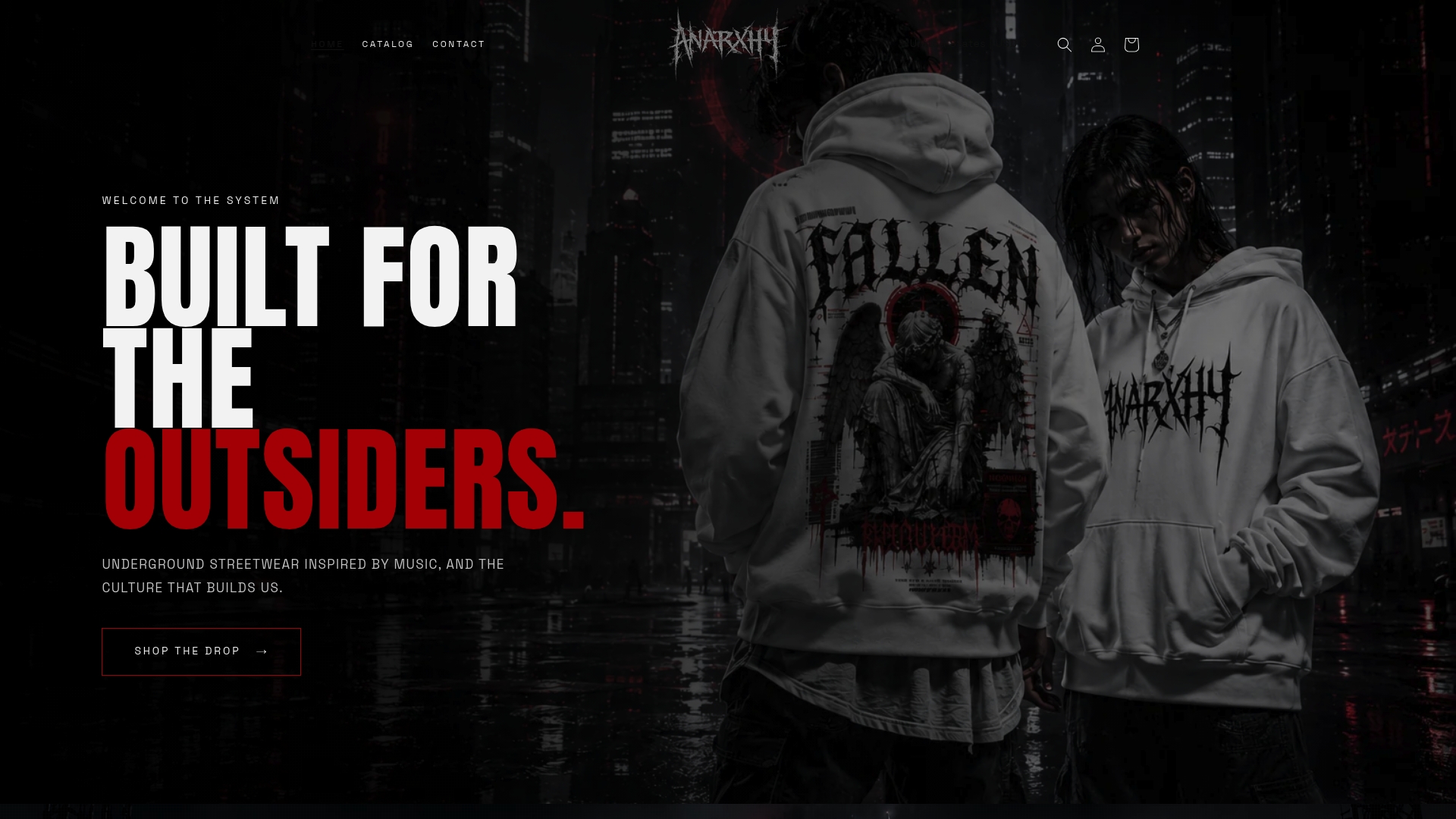
Anarxhy builds streetwear from the same DNA that makes band merch matter: strong graphic systems, limited drops, and a clear point of view about who the clothing is for. The Signal Lost collection translates dystopian aesthetics and music-adjacent rebellion into pieces designed for people who live outside the mainstream. If you want a hoodie that carries the same cultural weight as a great tour tee without the licensing markup, the SYSTEM ERROR hoodie is the place to start. Check the new arrivals for the latest drops before they sell out.
FAQ
What makes band merch different from regular streetwear?
Band merch carries a built-in cultural context that generic streetwear lacks. The garment signals membership in a specific fan community, which gives it identity value beyond its design.
Which band merch collaborations had the biggest streetwear impact in 2026?
Nike x BTS, Verdy x Wu-Tang Clan, and BlurhmsROOTSTOCK x Joy Division are the three most significant 2026 examples, each demonstrating a different approach to translating band identity into wearable streetwear.
How does limited availability affect band merch’s streetwear credibility?
Scarcity creates cultural capital. Tour-exclusive and timed-drop pieces carry resale demand and identity signaling that widely available garments cannot replicate, which is why limited drops are central to both band merch and streetwear culture.
Can mass retail band merch still influence streetwear trends?
Yes. Primark’s December 10 capsule shows that mass retail distribution normalizes band-inspired aesthetics across broader audiences, even if it operates differently from limited collector drops.
What design elements make band merch translate well into everyday streetwear?
Print size calibrated for street-level visibility, placement that works on a moving body, and graphic systems with cultural legibility independent of the band’s name are the three design factors that determine whether band merch crosses into streetwear.