

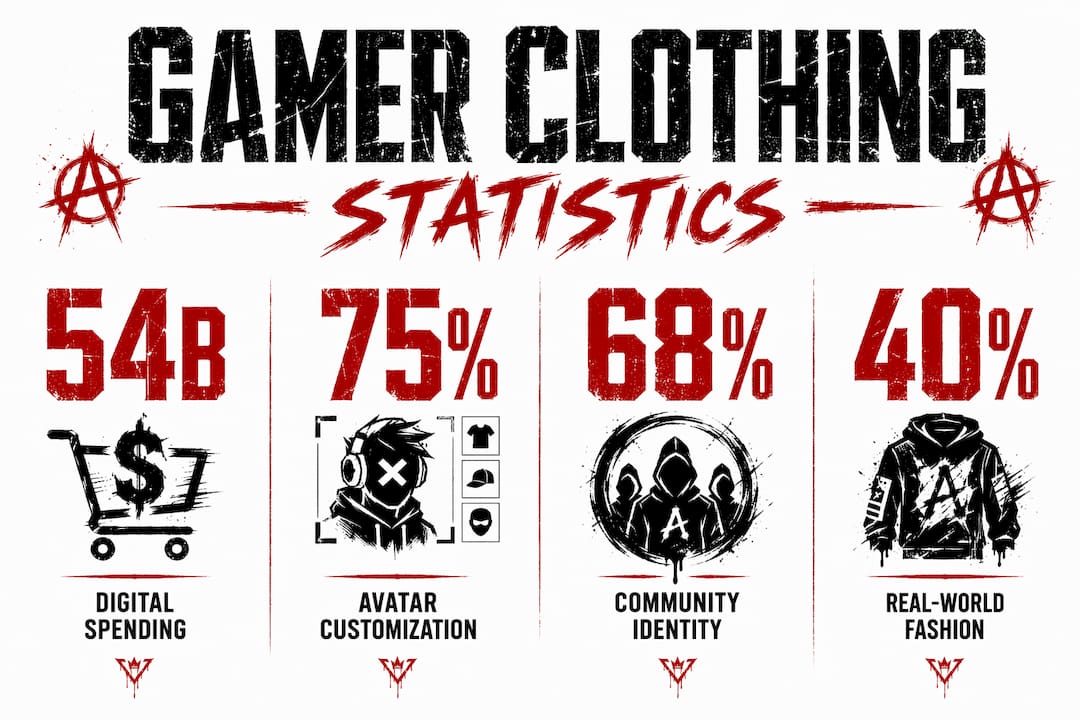
Symbolism in gamer clothing choices is defined as the use of visual codes, icons, and cultural references in apparel to signal identity, status, and community belonging within gaming culture. Gamers spent $54 billion globally on digital cosmetics in 2022 alone. That number proves symbolic appearance is not a side feature in gaming. It is the product. Gen Z gamers now apply what researchers call “phygital identity,” a blending of digital skins and real-world clothing into one unified self-image. The role of symbolism in gamer clothing choices reaches far beyond aesthetics. It shapes how gamers are perceived, how they perceive themselves, and which communities they belong to.
How does symbolism shape digital gamer clothing and avatar style?
Avatar customization is the original form of symbolic self-expression in gaming. When players choose a skin, they are not just picking a color scheme. They are broadcasting personality, experience level, and cultural alignment to every other player in the lobby.
Status, personality, and the meaning of default skins
The default skin signals inexperience or a lack of investment in the game’s social fabric. Veteran players read it instantly as a marker of outsider status. This is not a casual observation. It reflects a real social hierarchy built entirely on visual symbolism, where what your avatar wears determines how other players treat you before you fire a single shot.
Rare or limited skins communicate the opposite. They signal time spent, money invested, and cultural fluency. A player wearing an exclusive seasonal skin tells the lobby they were there for a specific event, that they earned or purchased something others could not. That is social capital expressed through clothing, and it functions the same way a vintage band tee or a limited sneaker release does in the physical world.
- Status signaling: Rare skins and cosmetics mark players as experienced or culturally invested.
- Personality expression: Color palettes, character themes, and accessories reflect personal taste and subcultural alignment.
- Community belonging: Wearing event-specific or faction-based cosmetics signals membership in a particular group.
- Outsider marking: Default or unmodified avatars are read as inexperienced, shaping peer interactions from the first moment.
The Proteus Effect and behavior change
Avatar appearance influences player behavior through a documented psychological mechanism called the Proteus Effect. When players wear a powerful or prestigious avatar skin, they play more confidently and take more social risks in-game. The clothing changes the person wearing it, not just how others see them. This is the deepest layer of symbolic clothing in gaming. It does not just communicate identity outward. It shapes identity inward.
Pro Tip: If you want to perform better in competitive play, invest in an avatar look that genuinely reflects how you want to be seen. The psychological effect is real.
Digital cosmetics now constitute a significant share of total gaming revenue, driven entirely by players’ desire to be visible and expressive. That revenue stream exists because symbolic clothing in gaming is not optional for most players. It is the primary way they participate in the social life of a game.
How does gaming symbolism cross over into real-world fashion?
Gaming symbolism does not stay on screen. It migrates into streetwear, physical apparel, and mainstream fashion at an accelerating pace. The crossover follows a clear pattern: what gamers value digitally, they eventually want to wear physically.
From screen to street
Fashion drops tied to gaming communities now function as cultural events, merging esports, streetwear, music, and internet culture into a single lifestyle ecosystem. A clothing release is no longer just a product launch. It is a moment of community convergence, where showing up in the right piece signals that you were part of something. That logic is identical to how limited digital cosmetics work inside games.
Gaming-inspired physical apparel borrows heavily from the visual language of games: faction logos, pixel art, dystopian color palettes, and iconography that only insiders recognize. This insider knowledge is the point. Wearing a piece that a non-gamer cannot decode creates an immediate bond between those who can read it.
“The most successful gamer fashion feels instantly familiar. It reflects how the community already sees itself, rather than imposing a trend from outside.”
Payal Gaming, via ABFRL
That insight reframes the entire design conversation. The best symbolic gamer apparel does not shout. It resonates. It works because the wearer already holds the cultural context that makes the symbol meaningful. Brands that understand this build apparel connecting gaming culture to physical identity rather than simply printing a controller graphic on a hoodie.
- Faction and logo apparel: Clothing bearing in-game faction symbols or team logos signals allegiance and community membership.
- Limited drops as events: Timed releases create urgency and exclusivity, mirroring the scarcity mechanics of rare in-game cosmetics.
- Subcultural iconography: Pixel art, glitch aesthetics, and dystopian palettes communicate gaming fluency without explicit branding.
- Creator-driven design: Gaming creators and streamers shape what symbolic clothing looks like by wearing and endorsing specific aesthetics.
What symbolic meanings do gamers attach to their clothing choices?
The social and psychological reasons behind gamer style choices are more structured than they appear. Gamers use clothing, both digital and physical, as a personal branding system. Each choice communicates something specific about who they are and where they belong.
Confidence, community, and social capital
Symbolic clothing in gaming builds confidence by giving wearers a clear identity to inhabit. A player who has curated a distinctive avatar look or a physical wardrobe built around gaming aesthetics is not dressing randomly. They are constructing a self-image that others in their community can read and respect.
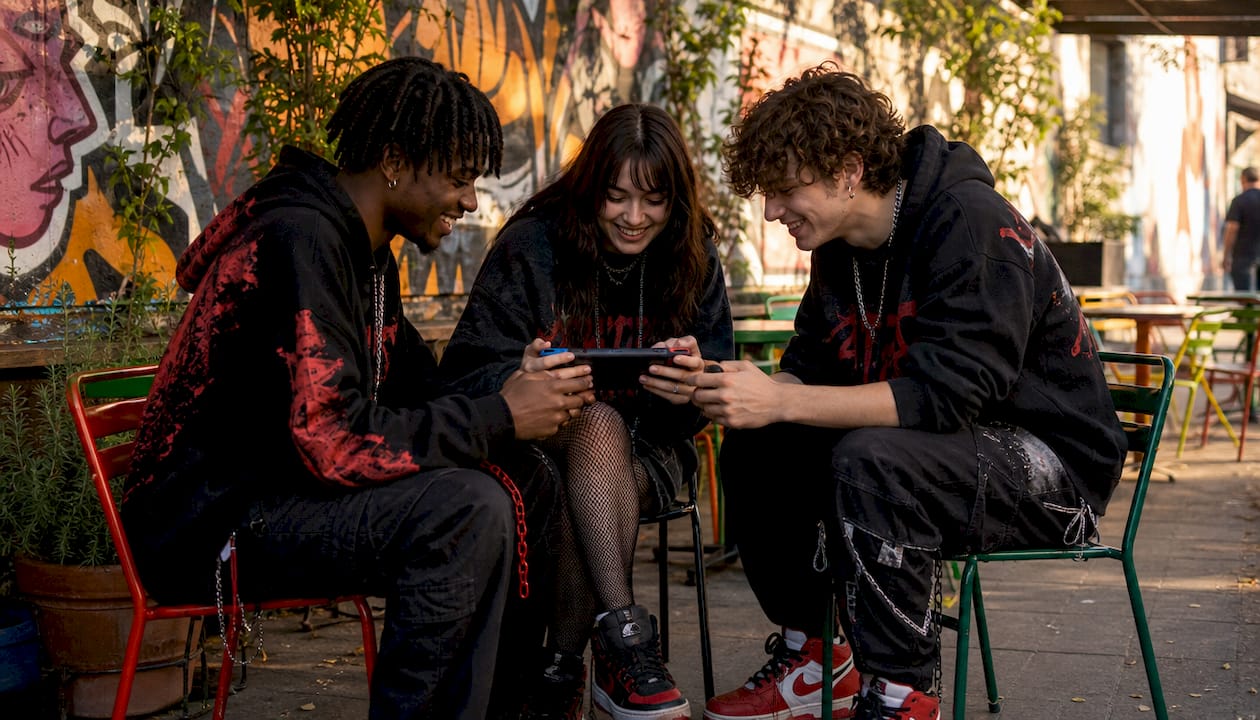
Phygital identity research shows that Gen Z gamers maintain a 1:1 perceptual continuity between their avatar style and their offline fashion. The same values that drive digital skin selection drive physical clothing choices. This is why collectible fashion appeals to gamers so strongly. Scarcity and exclusivity in physical apparel mirror the mechanics of rare in-game drops, and both confer the same social capital.
Here is how gamers typically layer symbolic meaning into their clothing decisions:
- Experience signaling: Apparel referencing specific games, eras, or events marks the wearer as someone with genuine history in the culture.
- Subcultural alignment: Choosing dystopian, cyberpunk, or faction-specific aesthetics places the wearer within a recognizable subgroup.
- Personal branding: Consistent aesthetic choices across digital and physical spaces build a recognizable identity others associate with the individual.
- Narrative participation: Wearing clothing tied to a game’s lore or story signals investment in the world beyond just playing it.
- Exclusivity as status: Limited edition pieces, whether digital skins or physical drops, function as proof of access and cultural awareness.
Pro Tip: Build your physical wardrobe around the same aesthetic logic you use for your avatar. Consistency between your digital and physical look creates a stronger, more recognizable personal brand.
Clothing designs in gaming operate as storytelling devices, conveying lore, community cues, and mood instantly. That storytelling function transfers directly to physical apparel. A hoodie with dystopian graphics is not just a garment. It is a chapter in the wearer’s ongoing narrative about who they are.
What broader cultural impact does gamer clothing symbolism have?
Gamer clothing symbolism now shapes youth culture well beyond the boundaries of gaming itself. Gaming has become a foundational lifestyle ecosystem where fashion, music, and entertainment overlap without clear dividing lines.
Identity without compartments
The old model of identity kept subcultures separate. You were a gamer or a skater or a music fan, and each had its own dress code. That model is gone. Gaming culture now absorbs and redistributes symbols from music, film, streetwear, and art, then sends them back out into the mainstream. Youth subcultures wear gamer symbolism in everyday dress not because they are performing a niche identity but because gaming is the dominant cultural frame for their generation.
“Gaming is a core lifestyle ecosystem where fashion, music, and online culture merge, with fashion drops becoming cultural events.”
Nylon
Creators and community tastemakers play a central role in defining what symbolic gamer fashion means at any given moment. A streamer’s outfit choice during a major event can shift what thousands of fans consider culturally relevant within days. That speed of influence is unique to gaming culture and explains why futuristic apparel trends in gaming subculture evolve faster than in traditional fashion cycles.
| Cultural function | How gamer clothing symbolism delivers it |
|---|---|
| Community cohesion | Shared iconography creates instant recognition between strangers |
| Status communication | Rare or exclusive pieces signal experience and cultural investment |
| Narrative identity | Lore-based designs connect wearers to larger stories and worlds |
| Subcultural signaling | Aesthetic choices place wearers within specific gaming subgroups |
| Mainstream influence | Gaming symbols migrate into streetwear and youth fashion broadly |
Symbolism also aids social cohesion in diverse gamer groups. When players from different backgrounds wear the same faction colors or carry the same iconography, clothing becomes a shared language that bypasses other social barriers. That function makes symbolic gamer apparel genuinely powerful as a social tool, not just a fashion statement.
Key Takeaways
Symbolism in gamer clothing choices is the primary mechanism through which gamers communicate identity, status, and community belonging across both digital and physical spaces.
| Point | Details |
|---|---|
| Digital symbolism drives real spending | Gamers spent $54 billion on digital cosmetics in 2022, proving symbolic appearance has concrete economic weight. |
| Default skins carry social meaning | Wearing an unmodified avatar signals inexperience, shaping how other players interact with you immediately. |
| Phygital identity is Gen Z’s standard | Gen Z gamers maintain consistent aesthetic logic between avatar customization and physical clothing choices. |
| Limited drops mirror in-game scarcity | Exclusive physical apparel releases function like rare digital skins, conferring social capital through access. |
| Symbolism shapes behavior, not just perception | The Proteus Effect shows avatar appearance changes how players act, not just how others see them. |
Why I think most people underestimate gamer fashion symbolism
Most fashion commentary treats gamer clothing as a niche trend that occasionally bubbles up into mainstream streetwear. That framing misses the point entirely. What I have observed is that gaming has already become the dominant cultural operating system for an entire generation, and clothing is how that generation makes its membership visible.
The phygital identity concept is not a marketing term. It describes something real. Gamers who spend hours curating an avatar look are applying the same symbolic logic when they get dressed in the morning. The two practices are not separate hobbies. They are one continuous act of identity construction. Brands that recognize this build clothing that feels like it belongs to the same world as the player’s digital self.
What strikes me most is how authenticity functions in this space. Payal Gaming’s observation that successful gamer fashion feels “instantly familiar” is the most accurate design brief I have encountered. The clothing that resonates is not the loudest or the most obviously gaming-branded. It is the piece that a gamer picks up and thinks, “this is already mine.” That recognition is the goal, and it requires designers to actually understand the culture rather than observe it from outside.
Anarxhy gets this right. The Signal Lost series does not explain itself to people who are not already inside the culture. It speaks directly to those who are. That is exactly how symbolic gamer apparel should work.
— Johnathan
Anarxhy: clothing that speaks the same language you do
Anarxhy builds apparel for gamers and outsiders who want physical clothing that carries the same symbolic weight as their best digital looks.
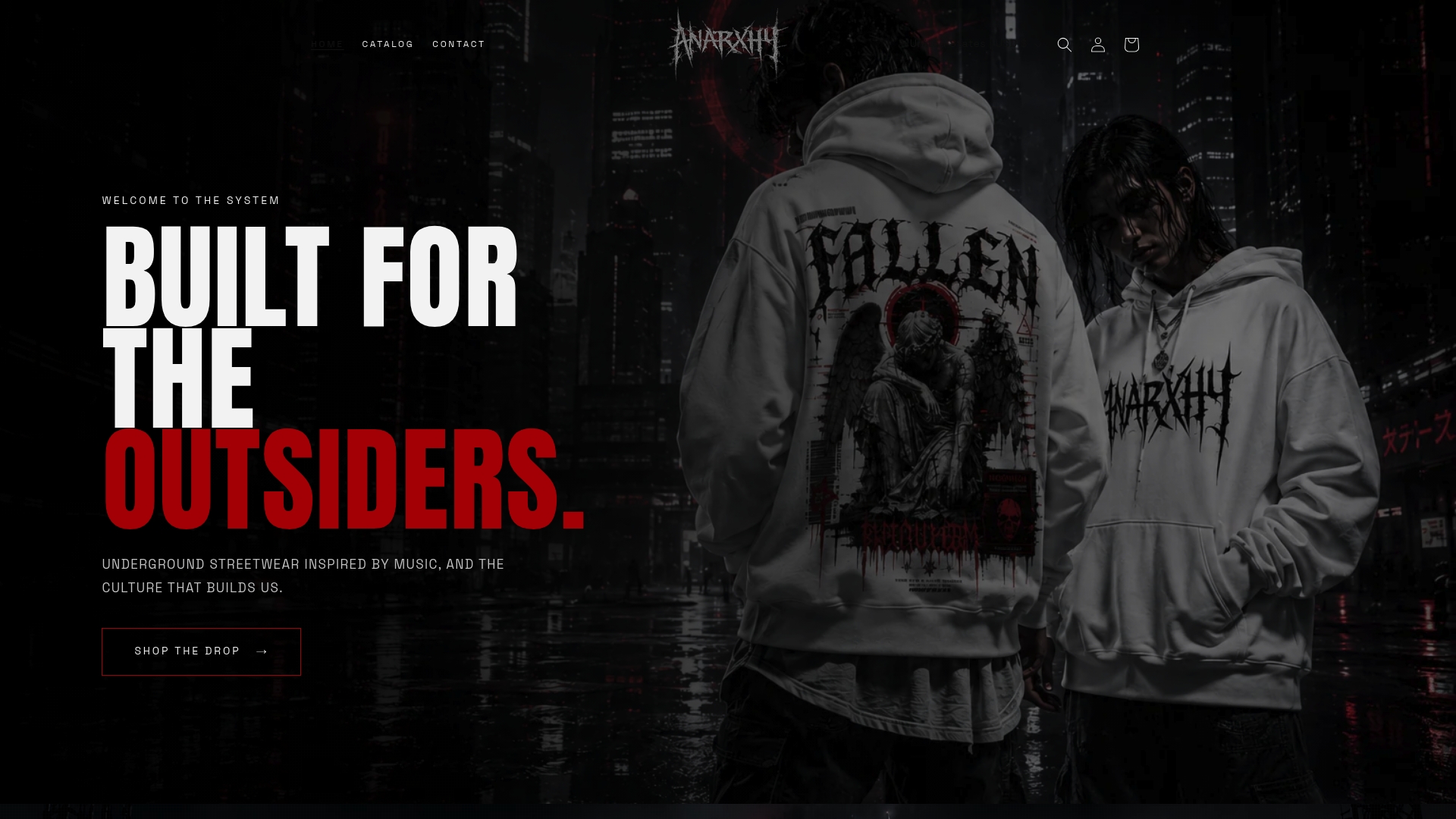
The FALLEN//001 unisex hoodie is one of the brand’s most recognized pieces, built with dystopian aesthetics and eco-friendly materials that hold up to the values of the community wearing them. For gamers who want to style streetwear for gaming events, Anarxhy’s limited drops function exactly like rare in-game cosmetics: scarce, culturally loaded, and immediately readable to those inside the culture. The new arrivals collection brings fresh symbolic designs that reflect where gaming culture is heading in 2026.
FAQ
What is the role of symbolism in gamer clothing choices?
Symbolism in gamer clothing choices is the use of visual codes, icons, and cultural references to signal identity, status, and community belonging. It operates the same way in digital avatar customization and physical apparel.
Why do gamers spend so much on digital cosmetics?
Gamers spent $54 billion on digital cosmetics in 2022 because virtual appearance carries real social weight. Skins and cosmetics signal experience, cultural investment, and group membership within gaming communities.
What is phygital identity in gaming fashion?
Phygital identity describes the practice of maintaining consistent aesthetic logic between digital avatar style and real-world clothing choices. Gen Z gamers apply this approach to build a unified self-image across online and offline spaces.
How does the Proteus Effect relate to gamer apparel?
The Proteus Effect is a documented psychological phenomenon where avatar appearance changes player behavior, not just how others perceive them. Players who wear prestigious or powerful skins act with greater confidence and social engagement.
What makes gamer fashion symbolism different from regular streetwear?
Gamer fashion symbolism relies on insider knowledge to function. The iconography, lore references, and faction aesthetics only carry meaning for those already inside the culture, which is precisely what makes them powerful signals of belonging.