

Futuristic apparel trends in the gaming subculture are defined as garments that fuse wearable technology, gaming culture aesthetics, and streetwear silhouettes into a single, identity-driven look. This is not cosplay. It is a full design movement, and it is pulling in names like Louis Vuitton, Burberry, and India’s OWND! alongside creators like Payal Dhare to build something that sits between Night City and your local skate shop. For young gamers and creatives, gaming culture clothing is now the clearest signal of who you are and what world you belong to.
1. Futuristic apparel trends gaming subculture: the tech integrations defining it
The most technically ambitious pieces in gaming fashion right now embed flexible OLED displays directly into garments. Cosplayer Jonas Zibartas built a real-life Cyberpunk 2077 jacket with a flexible OLED collar that you can actually game on, using a semi-rigid understructure and slotted track system to protect $300 panels from bending damage. That engineering detail matters because most flexible OLED panels crack under repeated twisting without mechanical support. The lesson: wearable tech in fashion is a hardware project first, a style project second.
Reflective materials are the more accessible end of the tech spectrum. 3M Scotchlite tape provides retro-reflection visibility up to 1,000 feet and holds its performance through 50 or more industrial washes, far outlasting generic alternatives that degrade after 10 to 15 washes. Placed on moving garment parts like sleeves, collars, and hems, it creates the signature glow effect that photographs like a character select screen. For gaming events and nighttime streetwear, this material does more visual work per dollar than any LED strip.
Digital design tools like CLO 3D and Unreal Engine’s MetaHuman are now standard in the prototyping pipeline for gaming-inspired apparel. Designers build full simulation drapes before cutting a single piece of fabric, which cuts sampling costs and lets you iterate based on community feedback before production.
- Flexible OLED panels require rigid internal frameworks controlling bend radius to prevent conductor damage
- 3M Scotchlite reflective accents placed on high-movement zones maximize both photo glow and real-world visibility
- CLO 3D and Marvelous Designer let creators prototype digital garments before committing to physical samples
- MetaHuman integration allows outfit previews on realistic digital humans, not just flat mannequins
Pro Tip: When designing wearable tech pieces, treat the electronics as structural components. Build the support geometry first, then design the fabric around it. Decorating a garment with tech as an afterthought is how $300 OLED panels end up in the trash after one wear.
2. How gaming streetwear collaborations are shaping the scene
Fashion’s relationship with gaming is no longer a novelty. Louis Vuitton’s League of Legends collection and Burberry’s Twitch SS21 live-stream marked the moment luxury brands accepted that digitally native audiences were a primary market, not a side channel. Since 2019, the volume and ambition of these collaborations have grown every year. The shift is cultural, not just commercial.
India’s OWND! and S8UL creator Payal Dhare launched the Gamer Drop capsule in 2026, the first female gamer-curated fashion collection in India. It blends gaming aesthetics with versatile streetwear silhouettes built for everyday wear, not just event costuming. This is significant because it proves the creator-led model works outside Western markets and that gaming fashion identity is a global conversation.
Why do gaming collaborations land so hard with Gen Z and young creatives? A few reasons that go beyond hype:
- Gaming platforms like Roblox, Fortnite, and Twitch are where Gen Z already builds identity through avatar-driven fashion, so physical clothing becomes an extension of that digital self
- Creator-led drops carry authentic credibility that brand-only campaigns cannot manufacture
- Limited availability mirrors the drop culture already embedded in streetwear, creating genuine scarcity
- Gaming aesthetics connect to nostalgia and authentic creative inspiration, not just logo placement
- Brands like Fenty Beauty and Puma have used in-game virtual stores to test colorways before physical production
The avant-garde streetwear movement and gaming fashion are now feeding each other directly. The silhouettes, graphics, and material choices overlap more every season.
3. The most eye-catching aesthetic styles in gaming fashion right now
Three visual languages dominate futuristic gaming apparel in 2026: neon-futurism, cyberpunk, and HUD-inspired graphics. Each pulls from a different source but shares the same core energy: you are the main character.
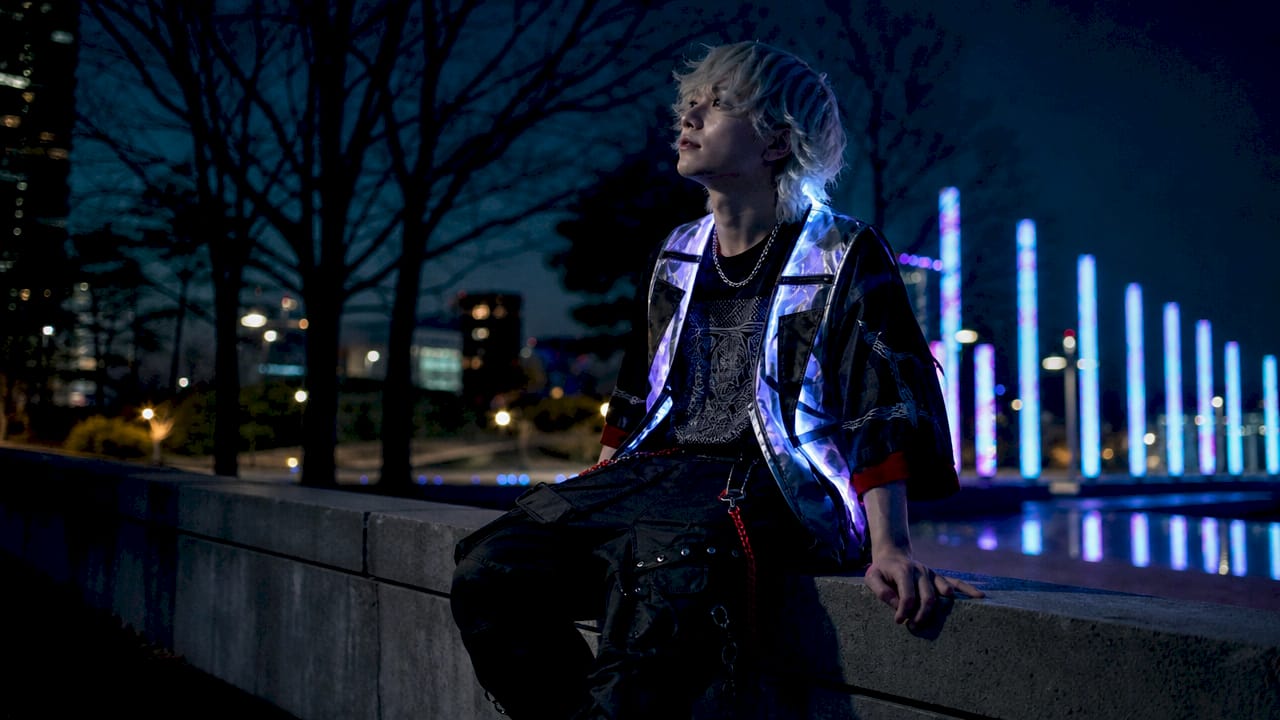
Neon-futurism uses technical reflective materials and high-contrast colorways to create a look that reads as both athletic and otherworldly. The strategic placement of reflective tape on moving garment parts, based on visibility maps and retroreflection coefficients, is what separates professional executions from DIY attempts. At a gaming event under UV lighting, a well-placed Scotchlite accent turns a plain hoodie into a statement piece.
Cyberpunk clothing styles draw directly from games like Cyberpunk 2077 and the broader dystopian visual tradition. The aesthetic layers utilitarian cuts with tech-forward details: exposed hardware, asymmetric closures, and embedded display elements. Cosplay has been the R&D lab for this style, with builders like Jonas Zibartas proving that wearable tech jackets can survive real-world wear when engineered correctly.
HUD-inspired graphics translate the visual language of heads-up displays, health bars, and targeting reticles directly onto fabric. This is the most accessible of the three styles because it requires no embedded tech, just strong graphic design and the right print process.
| Aesthetic style | Primary influence | Key material or technique | Best worn at |
|---|---|---|---|
| Neon-futurism | Sci-fi streetwear, esports | 3M Scotchlite reflective tape | Gaming events, nighttime street |
| Cyberpunk | Cyberpunk 2077, dystopian film | Flexible OLED, asymmetric hardware | Conventions, editorial shoots |
| HUD-inspired graphics | In-game UI design | High-resolution sublimation print | Everyday wear, community meetups |
| Techwear utility | Military, outdoor gear | Ripstop nylon, modular pockets | Daily wear, LAN parties |
4. How young creatives can design their own gaming-inspired apparel
The barrier to designing gaming-inspired fashion has dropped significantly. CLO Virtual Fashion’s CUT, SLASH & CORSET 2026 contest, running April through June 2026 in partnership with Vivienne Westwood, asks entrants to design digitally using CLO or Marvelous Designer, then preview their outfits on MetaHuman digital humans. Finalists get their work seen by one of fashion’s most iconic names. That is a real career opportunity built entirely around digital tools.
Here is a practical workflow for building your first phygital gaming fashion piece:
- Concept in reference boards. Pull from game art, UI screenshots, and streetwear lookbooks. Define your aesthetic lane before opening any software.
- Draft in CLO 3D or Marvelous Designer. Build your pattern digitally and run fabric simulations to check drape and silhouette. This step replaces expensive physical toiles.
- Preview on MetaHuman. Import your CLO file into Unreal Engine and dress a MetaHuman avatar. This shows how the garment moves and reads in a realistic render.
- Share for community feedback. Post your digital render to Discord servers, Reddit communities like r/streetwear, or TikTok. Gaming communities give fast, honest feedback on whether the aesthetic reads correctly.
- Produce a physical sample. Once the digital version is locked, use your CLO pattern files to cut a physical sample. The digital simulation reduces the number of physical iterations you need.
- Photograph with intent. Use UV lighting or nighttime environments to capture reflective elements. The right lighting turns a good garment into a viral image.
Pro Tip: Post your MetaHuman renders before you produce anything physical. Community reaction tells you whether the concept works before you spend money on fabric. Gaming communities are brutally honest, which is exactly what you need at the concept stage.
5. Everyday styling with futuristic gaming apparel
Wearing gaming-inspired fashion daily does not require a full cyberpunk outfit. The most wearable approach layers one statement piece against neutral basics. A reflective hoodie over black cargo pants and clean white sneakers reads as streetwear first and gaming culture second. That subtlety is intentional. It signals membership to people who recognize it without demanding attention from everyone else.
For bolder statements, HUD-graphic tees and techwear utility vests worn over long-sleeve base layers create the layered silhouette that defines esports fashion trends on and off the stage. Brands like Anarxhy build this kind of layering logic directly into their collections, with pieces designed to work together across different levels of intensity.
Tech-infused garments need specific care. Pieces with reflective tape should be washed inside out in cold water and air dried. Garments with embedded hardware need spot cleaning only. Treating these pieces like standard cotton hoodies shortens their life significantly.
Must-have items for a versatile futuristic gaming wardrobe:
- Reflective or graphic hoodie as the anchor piece
- Techwear cargo pants or joggers with modular pocket details
- Long-sleeve base layer in black or gray for layering
- Utility vest or tactical jacket for event wear
- Clean, minimal sneakers that do not compete with the top half
Key takeaways
Futuristic gaming apparel succeeds when it treats technology, identity, and streetwear construction as equal design priorities rather than treating any one element as decoration.
| Point | Details |
|---|---|
| Tech requires engineering | Flexible OLED and reflective materials need structural support and proper placement to perform and last. |
| Collaborations drive credibility | Creator-led drops like OWND! Gamer Drop carry authenticity that brand-only campaigns cannot replicate. |
| Three dominant aesthetics | Neon-futurism, cyberpunk, and HUD-inspired graphics each offer distinct entry points into gaming fashion. |
| Digital tools lower the barrier | CLO 3D, Marvelous Designer, and MetaHuman let any creator prototype gaming fashion before spending on physical samples. |
| Layering is the daily strategy | One statement piece against neutral basics makes gaming apparel wearable every day, not just at events. |
Why gaming fashion is the most honest subculture in clothing right now
I have covered streetwear for a long time, and I have watched a lot of subcultures get flattened by mainstream adoption. Gaming fashion is different, and I think I know why. The people building it are not trying to look like gamers. They are gamers, and they are designing clothes that reflect how they actually see the world. That is a rare thing.
The wearable tech side of this movement is where I find the most genuine creativity. Jonas Zibartas did not slap an OLED panel on a jacket and call it futuristic. He engineered a support system, solved a real mechanical problem, and produced something that actually works. That is the same mindset that makes a good game. You solve the constraints, then you make it look effortless.
What I would tell any young creative right now: the tools exist, the community exists, and the cultural moment is here. CLO 3D is not expensive. MetaHuman is free. The gap between a concept and a digital prototype has never been smaller. The only thing that separates the people making noise in this space from everyone else is the willingness to actually build something and put it in front of people who will tell you the truth.
Anarxhy’s approach, building from an outsider ethos with eco-conscious materials and limited drops, is exactly the model that gaming fashion rewards. Scarcity, authenticity, and a clear point of view. That combination does not go out of style.
— Johnathan
Wear the aesthetic: Anarxhy’s gaming-inspired streetwear
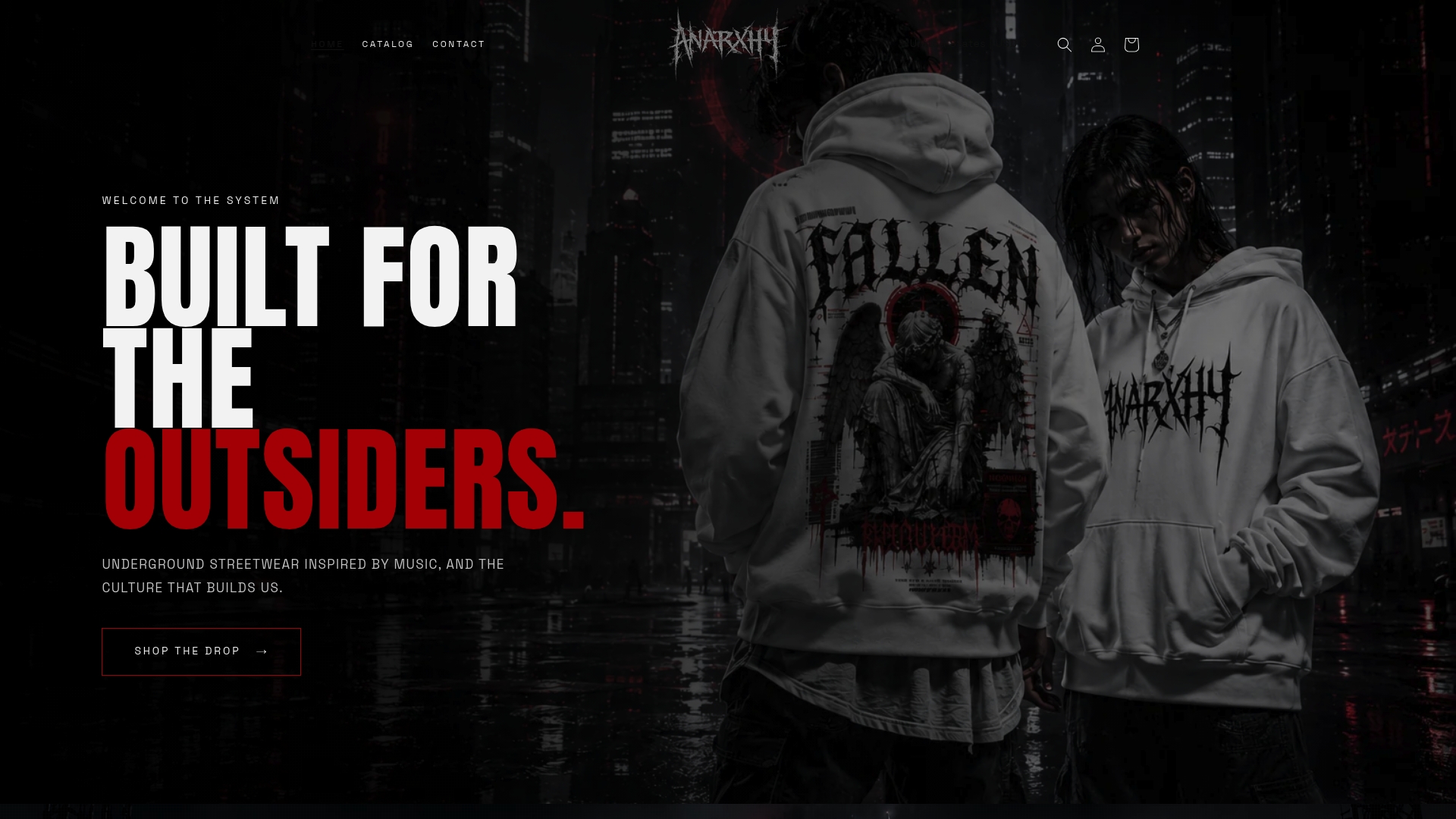
Anarxhy builds for exactly the person this article is written for. The DIGITAL DECAY hoodie from the DNR collection translates dystopian, tech-forward aesthetics into a unisex piece you can actually wear every day. It is not a costume. It is a statement built on the same visual language as the cyberpunk and neon-futurism styles covered above, using eco-friendly materials and a design philosophy rooted in rejection of the mainstream. If you are building a futuristic gaming wardrobe from scratch, this is the anchor piece. Check the new arrivals for the latest drops before they sell out.
FAQ
What defines futuristic apparel in gaming subculture?
Futuristic gaming apparel combines wearable technology like flexible OLED displays and reflective materials with gaming-inspired graphics and streetwear silhouettes. The result is clothing that signals gaming identity in everyday contexts, not just at events or conventions.
Are gaming fashion collaborations only for luxury brands?
No. Creator-led projects like OWND! and Payal Dhare’s Gamer Drop prove that independent and mid-market brands can build credible gaming fashion collections. The key factor is authentic connection to gaming culture, not budget size.
How do I start designing my own gaming-inspired clothing?
Start with CLO 3D or Marvelous Designer for digital prototyping, then preview your designs on MetaHuman avatars before producing any physical samples. CLO’s CUT, SLASH & CORSET 2026 contest, run in partnership with Vivienne Westwood, is a direct entry point for new designers.
What cyberpunk clothing styles work for everyday wear?
Asymmetric utility jackets, techwear cargo pants, and graphic hoodies with HUD-inspired prints translate cyberpunk aesthetics into daily wear without requiring full costume-level commitment. Layering one statement piece against neutral basics keeps the look wearable and intentional.
How do I care for tech-infused gaming apparel?
Wash reflective pieces inside out in cold water and air dry to preserve the retroreflective coating. Garments with embedded hardware or OLED elements require spot cleaning only, as machine washing damages both the electronics and their structural supports.