

Avant-garde streetwear is defined as experimental urban fashion that challenges conventional silhouettes, materials, and cultural codes to create clothing as personal manifesto. The types of avant-garde streetwear aesthetics span techwear, cyberpunk, Y2K, glitch goth, and surrealism-inspired construction, each driven by distinct philosophies and material choices. Designers like Errolson Hugh of ACRONYM and Iris van Herpen have pushed these categories into mainstream awareness, while brands like Anarxhy translate the outsider ethos into wearable, limited-edition pieces. If you want to dress with genuine edge, understanding what separates these aesthetics at the construction level is where it starts.
1. Types of avant-garde streetwear aesthetics: an overview
The term “avant-garde” originates in military French, meaning “advance guard,” and fashion borrowed it to describe work that precedes and challenges the mainstream. In streetwear, this translates to garments built around experimental construction, unconventional materials, and cultural subversion rather than trend cycles. The streetwear culture origins trace back to skate, punk, and hip-hop communities, but avant-garde streetwear adds a layer of conceptual intent that separates it from logo-driven hype. Each aesthetic covered below has a defined visual language, a material logic, and a cultural reference point that makes it identifiable and reproducible.
2. Techwear: utility as philosophy
Techwear is the most misunderstood of all avant-garde fashion styles, and the misconception is almost always the same. True techwear prioritizes anatomical fit and modular elements like detachable hoods and hidden storage, not the overabundance of pockets that signals generic cargo style. The difference matters because authentic techwear is engineered around how the body moves, not how a garment looks hanging on a rack. Brands like ACRONYM and 11 by Boris Bidjan Saberi build pieces around Gore-Tex Pro, Kevlar panels, and AquaGuard zippers that perform under real conditions.
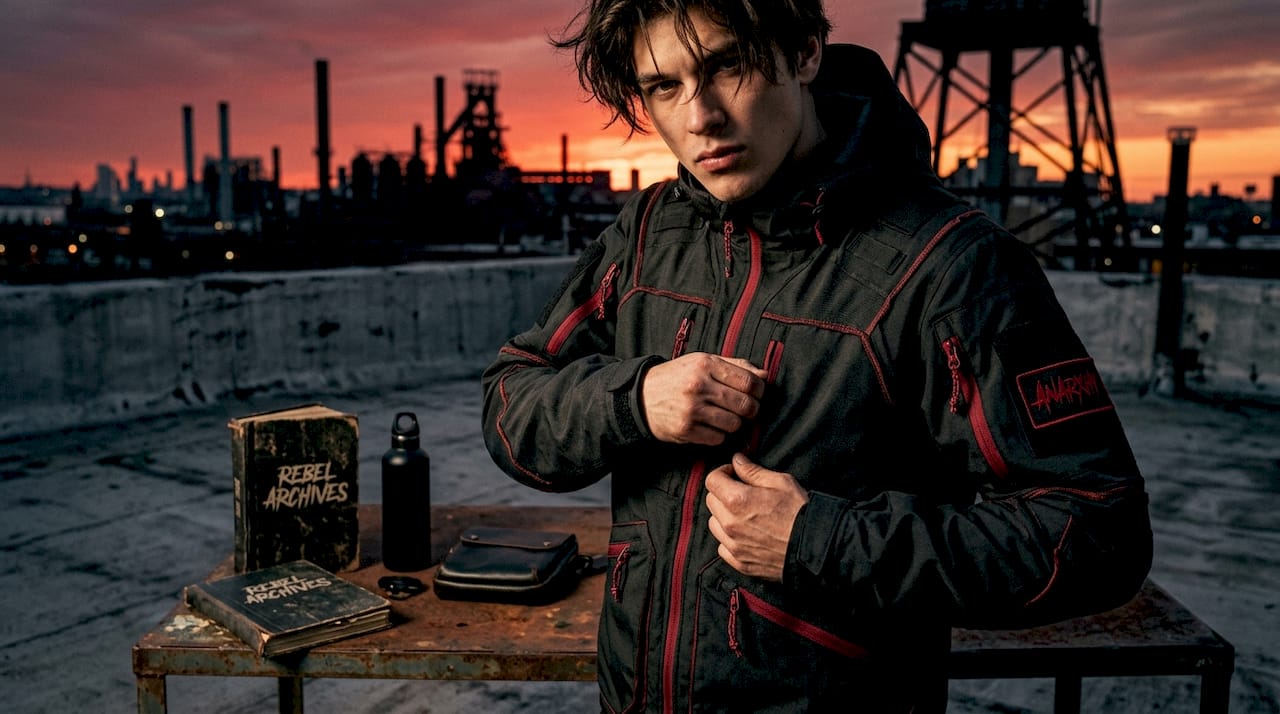
The color palette runs almost exclusively through black, charcoal, and muted earth tones. This is not aesthetic minimalism for its own sake. Dark tones reduce visual noise so the construction details, seam placement, and modular hardware read clearly. Gorpcore, by contrast, uses the same technical fabrics but leans into outdoor color blocking and trail-ready silhouettes. Techwear stays urban, tactical, and deliberately anonymous.
Key defining features of authentic techwear include:
- Biomechanical fit patterns that follow joint articulation
- Modular attachment systems using MOLLE webbing or magnetic closures
- Waterproof and abrasion-resistant fabrics including Gore-Tex Pro and Dyneema composites
- Minimal external branding with function-first hardware details
Pro Tip: When evaluating a techwear piece, check whether the seam placement follows the body’s articulation points. If the seams are purely decorative, it is gorpcore or cargo, not techwear.
3. Cyberpunk vs. Y2K: contrasting futurisms
Cyberpunk uses dark, tactical designs while Y2K embraces bright, playful early-2000s tech optimism with shiny textures. Both are futurist aesthetics, but they reference completely different emotional relationships with technology. Cyberpunk imagines a world where technology has failed society. Y2K imagines a world where technology is about to save it. That single distinction drives every difference in silhouette, color, and accessory choice.
| Feature | Cyberpunk | Y2K |
|---|---|---|
| Color palette | Black, neon accents, industrial gray | Silver, baby blue, lime green, metallics |
| Silhouette | Layered, tactical, asymmetric | Form-fitting, low-rise, logo-heavy |
| Textures | Matte technical fabrics, mesh, PVC | Vinyl, holographic, iridescent synthetics |
| Accessories | Tactical harnesses, visors, utility belts | Butterfly clips, chunky platforms, tinted lenses |
| Mood | Dystopian survival | Digital optimism |
Mixing the two aesthetics produces some of the most interesting experimental streetwear looks currently circulating. A Y2K holographic jacket over a cyberpunk tactical base layer creates a visual tension that reads as genuinely original rather than derivative of either source. The key is committing to one aesthetic as the foundation and treating the other as contrast.
Styling notes for each:
- Cyberpunk: Build from a dark technical base, add one neon accent, and keep footwear utilitarian
- Y2K: Lead with a statement metallic or iridescent piece, keep the rest of the outfit restrained to avoid visual overload
4. Glitch goth and digital decay: the post-AI aesthetic
Glitch goth is the post-AI anti-aesthetic of 2026, combining esoteric materials, armor-like elements, and creative visuals to push against algorithmic uniformity in fashion. This is the aesthetic that emerges when people feel that digital culture has flattened personal identity into content categories. The response is deliberate visual noise, corrupted imagery, and garments that look like they are mid-malfunction.
“Glitch goth creates a resistance to algorithmic homogeneity by forming imaginative armor-like aesthetics.” — Teen Vogue, 2026
The visual language borrows from corrupted screen displays, degraded digital files, and the visual artifacts that appear when technology breaks down. Fabrics with distressed prints, heat-reactive dyes, and deliberately misregistered patterns all serve this aesthetic. The silhouettes tend toward structured and protective, referencing body armor and ritual garments rather than casual comfort.
What separates glitch goth from standard goth or industrial fashion is the explicit technological reference. Standard goth draws from Victorian mourning dress and horror iconography. Glitch goth draws from the specific anxiety of living inside digital systems that no longer feel human. Anarxhy’s “Signal Lost” series sits squarely in this territory, using dystopian visual codes to speak to people who feel disconnected from algorithmic mainstream culture.
5. Surrealism and artisanal innovation in avant-garde design
Surrealism entered fashion formally when Elsa Schiaparelli collaborated with Salvador Dalí to create pieces like the lobster dress and skeleton gown, garments that treated the body as a canvas for psychological imagery. That tradition runs directly into contemporary avant-garde streetwear through designers who use unexpected prints, optical illusions, and concept-driven construction to make clothing that asks questions rather than just covering the body.
Iris van Herpen represents the most technically advanced expression of this lineage. Her designs use laser-cut crepe, Mylar, and stainless steel, demonstrating that cross-disciplinary collaboration between art, science, and fabrication technology produces garments that are genuinely unprecedented. This approach filters down into streetwear through graphic designers, independent labels, and small-batch artisans who apply surrealist logic to hoodies, outerwear, and accessories.
Practical ways surrealism shows up in wearable streetwear:
- Trompe-l’oeil prints that make fabric appear to be a different material or three-dimensional object
- Misplaced garment elements like sleeves positioned at unexpected angles or collars that reference non-clothing objects
- Narrative graphics that tell a fragmented story across the garment rather than placing a logo at the chest
- Scale distortion using oversized or miniaturized versions of recognizable objects as print motifs
Pro Tip: When styling a surrealist streetwear piece, let it be the singular statement. One concept garment paired with clean, neutral basics reads as intentional. Two concept pieces together reads as costume.
Music subcultures have always fed surrealist energy into streetwear. The influence of band merch on streetwear aesthetics traces exactly this path, from album art to graphic tees to full concept collections.
6. Material innovation and construction techniques
Avant-garde material innovation merges emotional impact with function, with materials like Dyneema Leather offering lightweight strength that changes how a garment drapes and moves. Designer Sruli Recht frames material choice as both a practical and emotional decision, which is the correct framework for understanding why avant-garde streetwear feels different from conventional clothing even before you read the label. The fabric is doing conceptual work, not just structural work.
Engineered asymmetry and deliberate seam placement distinguish meaningful deconstruction from garments that simply look unfinished. This is the line between avant-garde construction and distressed fast fashion. Authentic deconstruction follows an internal logic. The seams are placed where they are because of a decision about proportion, movement, or visual tension, not because the fabric was cut carelessly.
Key material and construction markers of genuine avant-garde streetwear:
- Dyneema composites that are lighter than leather but more cut-resistant
- Gore-Tex laminated panels integrated into garments designed for urban rather than outdoor use
- Intentional raw edges that are finished to prevent fraying while retaining the visual of incompleteness
- Sculptural proportion achieved through pattern engineering rather than padding or boning
The sustainable fashion innovation happening in ethical material development is increasingly intersecting with avant-garde construction. Cork composites, bio-fabricated leathers, and recycled technical synthetics now appear in experimental collections, which aligns with Anarxhy’s use of eco-friendly materials across its drops.
Key takeaways
Avant-garde streetwear aesthetics are defined by material logic, construction intent, and cultural reference, not by how extreme a garment looks.
| Point | Details |
|---|---|
| Techwear requires biomechanical fit | Modular elements and technical fabrics define authentic techwear, not pocket count. |
| Cyberpunk and Y2K reference opposite futures | Dystopian vs. optimistic tech futurism drives every difference in color, texture, and silhouette. |
| Glitch goth resists algorithmic uniformity | Post-AI anxiety shapes this aesthetic through corrupted visuals and armor-like construction. |
| Surrealism demands concept-first design | From Schiaparelli to van Herpen, the strongest avant-garde pieces ask questions rather than just dress the body. |
| Material choice is a conceptual decision | Dyneema, Gore-Tex, and bio-fabricated textiles carry meaning beyond their technical properties. |
Why most people get avant-garde streetwear wrong
I have spent years watching people approach avant-garde fashion as if it were a costume contest. They buy the most visually extreme piece they can find, wear it with no supporting context, and wonder why it reads as try-hard rather than intentional. The mistake is treating aesthetic as surface rather than system.
Every aesthetic covered in this article has an internal logic. Techwear is not about looking tactical. It is about designing clothing around how the body actually moves. Glitch goth is not about looking broken. It is about making your resistance to digital homogeneity visible and wearable. When you understand the philosophy behind the look, the styling decisions become obvious rather than arbitrary.
What I have noticed since 2023 is that the most compelling avant-garde streetwear wearers are the ones who mix aesthetics with genuine knowledge of what each one means. A cyberpunk base with a Y2K accent works because the tension between dystopia and optimism is legible. A techwear silhouette with a surrealist graphic works because the functional and the conceptual are in conversation. These combinations do not happen by accident. They happen because the person wearing them has done the research.
Start with one aesthetic, learn its material and construction logic, then introduce contrast deliberately. That is how you build a wardrobe that expresses something real rather than just referencing a trend.
— Johnathan
Explore Anarxhy’s avant-garde drops
Anarxhy builds for exactly the person this article is written for. Someone who wants clothing that carries a position, not just a logo.

The DIGITAL DECAY hoodie translates glitch goth and digital decay aesthetics into a wearable piece built from eco-friendly materials. The SYSTEM ERROR hoodie applies modular design logic and technical construction to a silhouette that works as both streetwear and statement. Both are part of limited drops, which means the community wearing them stays small and intentional. Check the new arrivals collection for the latest pieces before they sell out.
FAQ
What defines avant-garde streetwear?
Avant-garde streetwear is defined by experimental construction, unconventional materials, and garments built around a conceptual or cultural position rather than trend cycles. The distinction from regular streetwear lies in the intent behind the design decisions.
Is techwear the same as gorpcore?
Techwear and gorpcore both use technical fabrics, but techwear prioritizes biomechanical fit and urban modularity while gorpcore leans into outdoor color blocking and trail aesthetics. The silhouettes and cultural references are distinct.
What is glitch goth?
Glitch goth is a post-AI aesthetic that uses corrupted visuals, armor-like construction, and esoteric materials to resist algorithmic uniformity in fashion. It emerged as a direct response to digital culture flattening personal identity.
How do you style avant-garde streetwear without looking like a costume?
Build from one aesthetic as a foundation and treat all other influences as deliberate contrast. One concept piece paired with clean, neutral basics reads as intentional. Multiple statement pieces without a unifying logic reads as costume.
Which materials are most common in avant-garde streetwear?
Gore-Tex Pro, Dyneema composites, Mylar, laser-cut synthetics, and bio-fabricated textiles appear most frequently across techwear, glitch goth, and surrealist avant-garde collections. Material choice in this space carries conceptual weight beyond technical function.