

Streetwear culture is a global fashion movement rooted in urban subcultures that blends clothing with music, sport, and identity to create a visual language of belonging. It originated in the 1970s and 1980s through New York hip-hop and Californian surf scenes, then absorbed punk, skateboarding, and Japanese street fashion into a style system that now shapes runways, resale markets, and entire communities. What defines streetwear is not just the clothes. It is the values, the codes, and the community behind them. By 2026, streetwear has become one of the most influential forces in global fashion, and understanding it means understanding how identity gets worn.
What is streetwear culture and where did it come from?
Streetwear culture is defined as a youth-rooted fashion culture that uses clothing to express identity, signal subcultural belonging, and challenge mainstream fashion norms. The term covers a wide range of styles unified by their origins outside traditional fashion institutions. Hoodies, graphic tees, sneakers, and caps are the visible vocabulary. The deeper grammar is authenticity, community, and self-expression.
The origins trace directly to two geographic poles. New York’s hip-hop scene in the late 1970s produced a dress code built around Adidas tracksuits, Kangol hats, and bold graphics. At the same time, Californian surf and skate culture developed its own uniform of board shorts, loose tees, and Vans. These two streams collided and cross-pollinated throughout the 1980s, producing the first recognizable streetwear aesthetic.
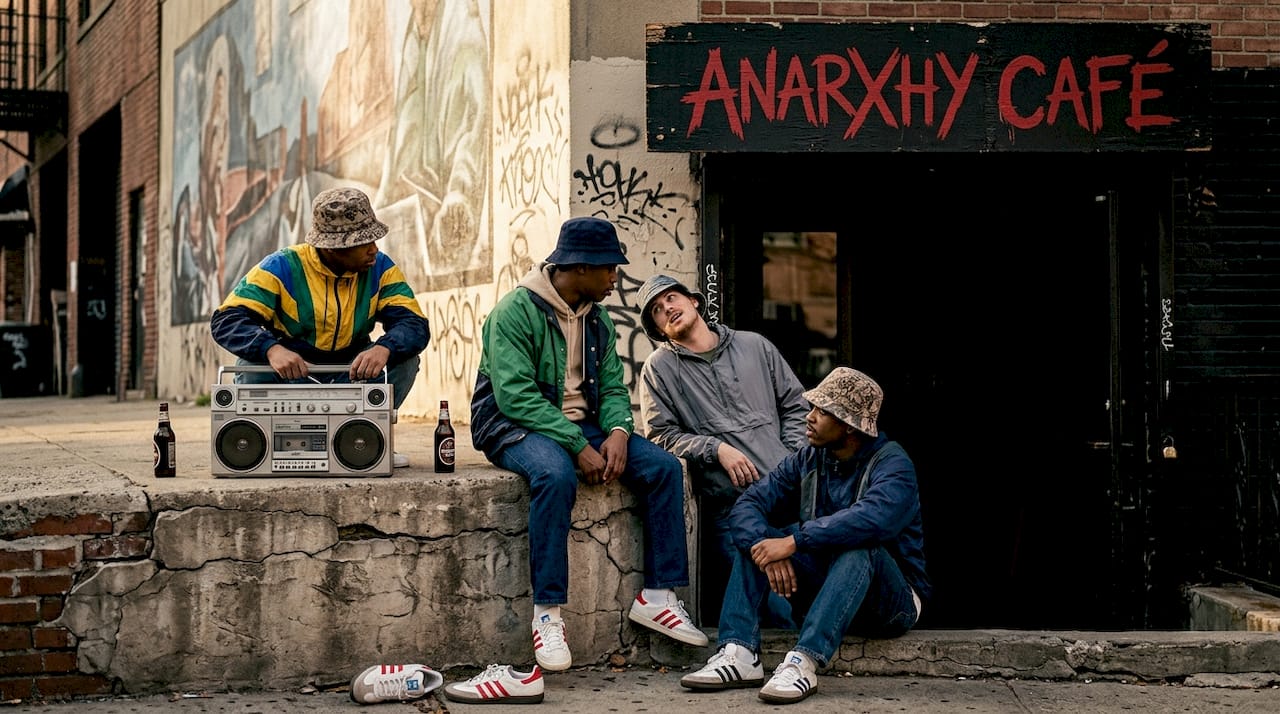
Stüssy is the brand most historians point to as the first true streetwear label. Shawn Stussy started printing his signature on surfboards in Laguna Beach, then transferred it to T-shirts in the early 1980s. The brand spread through a network of skaters, surfers, and hip-hop heads before any algorithm existed to accelerate it. That organic, word-of-mouth growth model became the template every streetwear brand since has tried to replicate.
The 1990s brought streetwear into contact with punk and graffiti subcultures, adding a harder edge and a DIY ethic. Supreme launched in New York in 1994 and immediately fused skate culture with art, music, and provocation. By the 2000s, Japanese streetwear brands like A Bathing Ape (BAPE) introduced a new level of graphic complexity and limited-edition scarcity that the entire industry absorbed. The international remix of regional influences is what prevents streetwear from ever being reduced to a single uniform look.
Pro Tip: If you want to understand a streetwear brand’s credibility, research its founding story before its product catalog. Brands with genuine subcultural roots, like Stüssy or Carhartt WIP, earn loyalty that purely commercial labels cannot buy.
What defines streetwear’s style and social function?
Streetwear’s defining visual characteristics are comfort, function, and casual construction. Hoodies, oversized tees, cargo pants, and sneakers form the core wardrobe. But the style is only the surface layer. Underneath it, clothing acts as performance and a facilitator of belonging, not just trend following. What you wear signals which communities you belong to, which values you hold, and which cultural references you understand.
Brand authenticity is the most important currency in streetwear. Brands like Carhartt WIP and Stüssy have maintained roots and authenticity as their core brand pillars for decades. Consumers reward this with fierce loyalty. The DIY and customization ethos runs parallel to brand loyalty. Customizing, distressing, or reworking garments is not just personal expression. It is a direct statement that the wearer understands the culture’s anti-conformist roots.
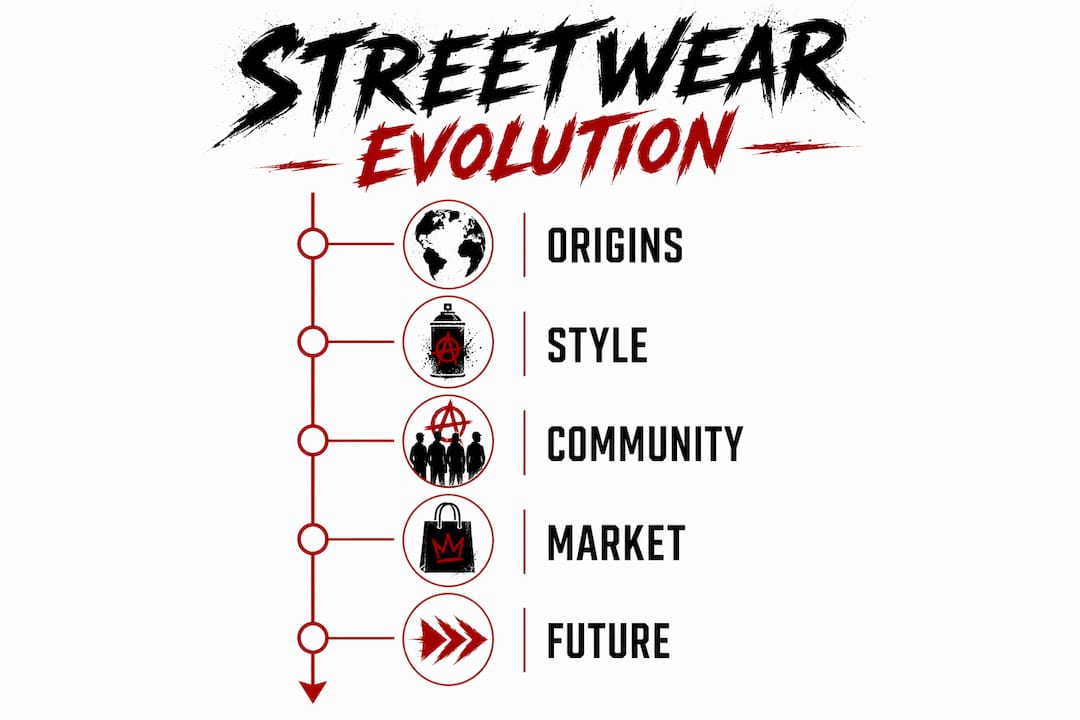
Scarcity is the mechanism that drives streetwear’s market dynamics. Limited-edition drops create demand spikes, resale markets, and the social status attached to owning something rare. This is where streetwear culture and hypebeast culture diverge sharply.
| Aspect | Streetwear culture | Hypebeast culture |
|---|---|---|
| Core motivation | Identity, community, self-expression | Status, resale value, social clout |
| Relationship to brand | Loyalty based on values and history | Loyalty based on current hype |
| Approach to scarcity | Scarcity as cultural ritual | Scarcity as financial opportunity |
| Relationship to style | Personal, often customized | Trend-driven, logo-forward |
Hypebeast culture focuses more on status and resale value, and it can overshadow streetwear’s original artistic and community aspects. The distinction matters because newcomers often mistake the two for the same thing. Streetwear built its identity on subcultural belonging. Hypebeast culture repurposed the aesthetic for market speculation.
- Streetwear signals identity through brand history and visual codes, not just logos
- Customization and DIY modifications reflect the culture’s anti-conformist values
- Community membership is earned through knowledge, not purchasing power alone
- Scarcity creates cultural rituals around release days that reinforce group identity
Pro Tip: Learn the history of any brand before buying into it. Wearing a label without knowing its story is the fastest way to signal that you are outside the culture, not inside it.
How does streetwear connect to music, sports, and subcultures?
Streetwear does not exist in isolation. Its aesthetic and identity are shaped by hip-hop, skateboarding, surfing, graffiti, and sports brands in a continuous feedback loop. Each subculture contributed specific visual codes and values that streetwear absorbed and recombined.
Hip-hop’s influence is the most documented. Artists from Run-DMC to Kanye West have used clothing as a direct extension of their artistic identity. Run-DMC’s partnership with Adidas in 1986 was the first major intersection of music and streetwear commerce. It proved that subcultural credibility could move product at scale, a lesson Nike, Jordan Brand, and every luxury house has since applied. Nike Air Jordans became the most powerful single product in streetwear history, anchoring a sneaker market now valued at $120 billion by 2026. That figure reflects how thoroughly streetwear has moved from subculture to global economy.
Skateboarding contributed the graphic tee, the logo hoodie, and the anti-establishment attitude that still runs through streetwear’s DNA. Brands like Thrasher and Palace built their identities on skate culture’s rejection of mainstream approval. Surfing gave streetwear its relaxed silhouettes and California color palettes. Graffiti added the visual language of tags, murals, and bold typography that appears across streetwear graphics to this day.
Band merchandise is another underappreciated channel. The way band merch shapes streetwear visual language connects music fandom directly to fashion identity. Wearing a tour tee is not just supporting an artist. It is broadcasting a set of cultural references and values to everyone who recognizes them.
The cross-subcultural remix is what makes streetwear so durable. No single subculture owns it. A skater in Tokyo, a rapper in Atlanta, and a grime artist in London can all wear streetwear while drawing on entirely different cultural references. That flexibility is the culture’s greatest strength.
How is streetwear evolving in 2026?
Modern streetwear in 2026 is defined by three simultaneous pressures: sustainability demands, digital community building, and the ongoing tension between authenticity and commercialization. Each of these forces is reshaping what streetwear means and who it belongs to.
Sustainability has moved from niche concern to mainstream expectation. Consumers under 30 increasingly factor environmental impact into purchase decisions, and streetwear brands that ignore this are losing credibility with their core audience. Brands using eco-friendly materials and transparent supply chains are gaining ground with consumers who want their values reflected in their wardrobe. Anarxhy builds this directly into its production model, using eco-friendly materials across its collections without sacrificing the aesthetic edge that defines the brand.
Digital platforms have transformed how streetwear hype is built and how communities form. Instagram, TikTok, and Discord servers now do the work that physical skate shops and record stores once did. Drop announcements, community debates, and style documentation all happen online. This has accelerated the culture’s global spread while also making it easier for purely commercial brands to mimic the visual codes without the cultural substance.
Luxury collaborations have become a defining feature of contemporary streetwear trends. Louis Vuitton x Supreme, Dior x Air Jordan, and Balenciaga’s ongoing streetwear pivot have blurred the line between high fashion and street style. This crossover has brought streetwear to new audiences while creating real tension around authenticity. The cultural tension between commercial success and original community values is the defining debate in streetwear right now.
Pro Tip: Follow independent streetwear journalists and community forums rather than brand marketing accounts. The most accurate read on where the culture is heading comes from participants, not press releases.
| Trend | What it means in practice |
|---|---|
| Sustainability | Eco-materials and ethical production are now credibility signals |
| Digital community | Discord and TikTok replace physical skate shops as cultural hubs |
| Luxury crossover | High-fashion collabs expand reach but strain authenticity |
| Global remix | Regional scenes in Lagos, Seoul, and São Paulo are reshaping the aesthetic |
Key takeaways
Streetwear culture is a social identity system built on subcultural authenticity, community belonging, and visual codes that clothing communicates far more precisely than words.
| Point | Details |
|---|---|
| Origins matter | Streetwear traces to 1970s–80s hip-hop and surf scenes, not mainstream fashion institutions. |
| Clothing as identity | Streetwear functions as a visual language signaling subcultural values, not just personal style. |
| Authenticity over hype | Brands like Stüssy and Carhartt WIP earn loyalty through cultural roots, not marketing spend. |
| Streetwear vs. hypebeast | Streetwear prioritizes community and expression; hypebeast culture prioritizes status and resale. |
| 2026 pressures | Sustainability, digital community, and luxury crossover are reshaping streetwear’s identity and reach. |
Why streetwear is more than fashion
I have spent years watching people enter streetwear through the product and miss the point entirely. They buy the right hoodie, wear the right sneakers, and still feel like outsiders. The reason is almost always the same: they treated streetwear as a catalog instead of a culture.
What streetwear actually does is give people a framework for identity at a moment when mainstream culture offers very few frameworks worth adopting. The individualism and identity negotiation at the core of street style are not abstract concepts. They are the reason a teenager in Seoul and a teenager in Detroit can both find something true in the same aesthetic, even if they are drawing on completely different references.
The uncomfortable truth I have observed is that the brands most celebrated for their authenticity are often the ones most at risk of losing it. Commercial success brings resources and reach, but it also brings the pressure to produce for a market rather than a community. The brands that survive this pressure intact are the ones with a genuine point of view that predates their popularity. Anarxhy’s outsider ethos and limited drops are not marketing tactics. They are structural commitments to staying connected to the community the brand was built for.
The future of streetwear belongs to brands and individuals who understand that the clothes are the least important part. The values, the references, the community, and the refusal to conform are what make streetwear worth wearing.
— Johnathan
Wear the culture, not just the clothes
Anarxhy was built for people who understand that streetwear is a statement, not a uniform. The SYSTEM ERROR hoodie from the DNR collection embodies exactly what streetwear culture demands: limited availability, a visual language rooted in rebellion, and construction that does not compromise on ethics. Each drop is intentionally scarce, designed for people who recognize the codes rather than people chasing the logo.
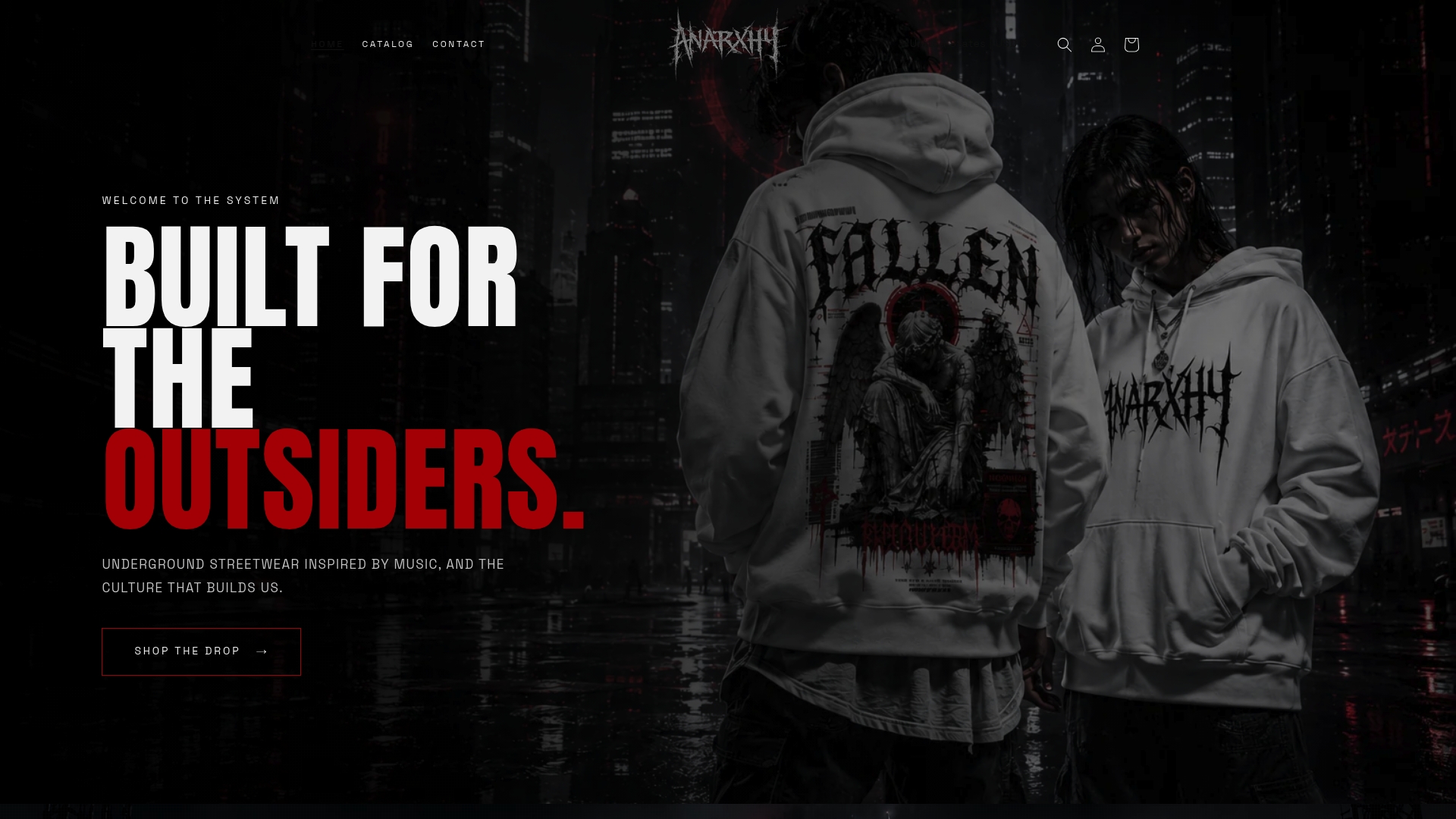
The new arrivals collection reflects the same ethos across every piece. Eco-friendly materials, dystopian aesthetics, and designs that speak directly to those who feel disconnected from mainstream culture. If you want to explore what authentic streetwear looks like in 2026, this is where to start.
FAQ
What is streetwear culture in simple terms?
Streetwear culture is a global fashion movement rooted in hip-hop, skate, and surf subcultures that uses clothing to express identity and signal community belonging. It is defined by authenticity, limited releases, and a visual language built outside mainstream fashion institutions.
How is streetwear different from regular casual fashion?
Regular casual fashion prioritizes comfort and accessibility. Streetwear carries subcultural codes, brand histories, and identity signals that transform clothing into a social language. The difference is meaning, not just style.
Why do streetwear brands use limited drops?
Limited-edition drops create scarcity that drives demand, builds community rituals around release events, and reinforces the exclusivity that separates streetwear from mass-market fashion. Scarcity is a cultural mechanism, not just a sales tactic.
What is the difference between streetwear and hypebeast culture?
Streetwear prioritizes community, self-expression, and subcultural authenticity. Hypebeast culture focuses on status, resale value, and owning hyped items regardless of cultural connection. The aesthetic overlaps, but the motivations are fundamentally different.
How does music influence streetwear style?
Music subcultures, particularly hip-hop, have shaped streetwear since the 1980s through artist endorsements, tour merchandise, and the direct translation of musical identity into dress codes. Run-DMC’s Adidas partnership in 1986 set the template that brands and artists still follow today.