

Collectible fashion is defined as limited-edition apparel and merchandise that carries cultural, community, or identity value beyond its physical function. For gamers, this category hits differently. It extends the same personalization logic behind avatar skins and in-game cosmetics into the physical world, turning a hoodie or graphic tee into a statement of who you are and which communities you belong to. The appeal of gaming collectibles is not nostalgia alone. It is social currency, scarcity psychology, and authentic cultural identity working together in a single garment.
Why collectible fashion appeals to gamers: exclusivity and scarcity
Scarcity is the engine behind collectible fashion’s grip on gamer culture. When a drop is limited, it stops being merchandise and starts being membership. FOMO drives the 2026 collectible market by creating social currency through limited edition drops that connect digital identity with physical ownership. That psychology is identical to the one that makes rare in-game skins feel more valuable than their stats justify.
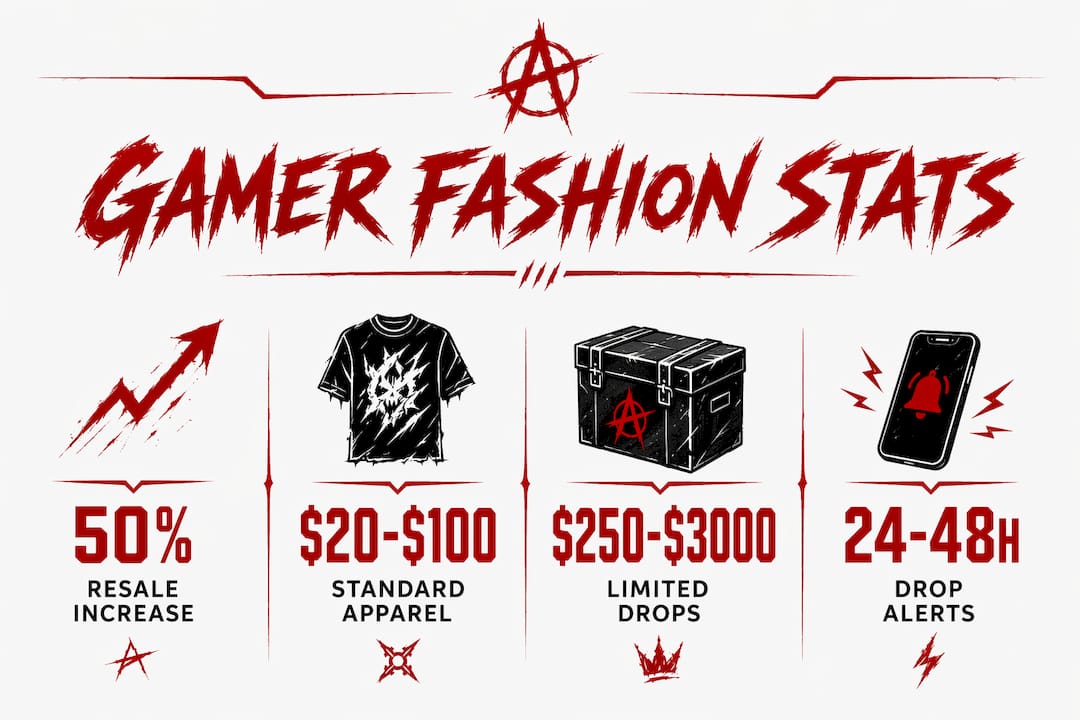
The pricing structure reflects this dynamic clearly. Collectible apparel typically ranges between $20 and $100, while limited-edition figures command $50 to $300 or more due to scarcity and FOMO psychology. The gap between those two price points is not about materials. It is about access.
Timed drops amplify this effect. Brands release items in narrow windows, often with community-only early access, which turns the act of buying into a competitive event. Resale prices often spike 30–50% post-retail availability, rewarding those who secured items at launch and reinforcing the perceived value for everyone who missed out.
Key scarcity mechanics that drive gamer demand include:
- Timed drops with countdown timers that mirror in-game event urgency
- Community-gated access where newsletter subscribers or Discord members get first access
- Numbered editions that make each piece a verifiable collectible
- Collab-exclusive designs tied to specific game releases or esports events
Pro Tip: Set alerts for brand newsletters and community Discord servers. Most limited drops are announced 24–48 hours in advance, and early access links go to insiders first.
Why subtle design beats loud branding for gamer collectors
Gamers are not fooled by a giant logo slapped on a black tee. The collectible fashion pieces that earn lasting respect inside gaming communities are the ones that reward close attention. The 2026 G2 Esports and One Piece limited-edition streetwear collection uses subtle emblems to appeal to fans seeking everyday fashion instead of loud, graphic-heavy merch. That design philosophy is not accidental. It reflects a real shift in what gamers want to wear outside the house.

High-quality gaming fashion incorporates hidden narrative easter eggs or subtle game lore references inaccessible to the public, validating authentic ownership within the community. An interior label printed with a faction motto, a stitching pattern that mirrors a game map, or a colorway lifted directly from a character’s palette. These details mean nothing to a stranger on the street and everything to a fellow fan.
The brands that get this right follow a consistent formula:
- Design for the community first. The piece should feel like it was made by someone who actually plays the game, not a licensing department.
- Avoid oversaturation. One or two strong visual references beat a collage of game assets printed across the chest.
- Prioritize wearability. A collectible that only works as a display piece loses half its value. Everyday streetwear silhouettes extend the item’s reach into real social settings.
- Embed narrative, not just imagery. Details tied to game lore create conversation starters that pure logo merch cannot replicate.
The failure mode is equally clear. Purely transactional merch, rushed out to capitalize on a game’s launch window with no cultural embedding, gets worn once and forgotten. Leanne Elliott-Young emphasizes that gamer collectible fashion must have tangible gaming-related value or social embeddedness, not just aesthetic appeal. That standard separates pieces that hold value from ones that end up in a donation bin.
How collectible fashion builds offline identity for gamers
Gamers have spent years building identity through digital means. Skins, loadout aesthetics, profile banners, and in-game cosmetics are all forms of personal branding. Gamers have translated their avatar personalization into offline style, viewing fashion collectibles as social currency and identity extension rather than simple merchandise. The logic is direct: if you spend real money to make your character look a specific way, you will spend real money to carry that identity into the physical world.
Gaming content creator Payal Dhare highlights collectible fashion as a form of social currency that signals belonging and identity rather than mere vanity. That framing matters. Wearing a limited-edition piece from a game you love is not showing off. It is a signal to other fans that you are part of the same world.
The offline benefits of collectible fashion for gamers include:
- Instant community recognition at gaming events, conventions, and esports venues
- Conversation starters that bypass small talk and go straight to shared passion
- Confidence in social settings where gaming identity is not always visible
- Cross-cultural credibility as gaming and streetwear audiences increasingly overlap
“Fashion in gaming culture is not decoration. It is communication.”
The crossover between gaming culture and youth streetwear is now well established. Gamers who follow esports fashion trends are not operating in a niche. They are at the front edge of a broader cultural shift where digital identity and physical style are treated as one continuous expression.
What market trends shape collectible fashion for gamers in 2026
The collectible market has moved well past novelty. A sealed original Super Mario Bros. copy sold for a record $3 million in 2026, a trajectory that started at $114,000 in 2020. That six-year arc shows how fast collectible valuations can move when scarcity and cultural significance align. Apparel follows the same logic at a more accessible price point.
| Collectible type | Typical price range | Key value driver |
|---|---|---|
| Standard game merch apparel | $20–$100 | Brand recognition |
| Limited-edition streetwear drops | $80–$250 | Scarcity and community access |
| Numbered figures and statues | $50–$300+ | Rarity and display value |
| Vintage sealed game media | $1,000–$3,000,000+ | Historical scarcity and condition |
Eco-conscious production is now a real factor in purchasing decisions for younger gamer collectors. Brands that use sustainable materials and ethical manufacturing practices attract buyers who want their identity expression to align with their values. This is not a fringe concern. It is a growing segment of the market that rewards brands willing to commit publicly to those standards.
The split between casual fans and hardcore collectors is also sharpening. Casual buyers pick up a tee at a convention or grab a figure from a retail shelf. Hardcore collectors use community marketplaces and timed drops to acquire limited items, tracking resale spikes and treating acquisition as a skill. Both segments matter, but the hardcore collector drives the cultural conversation and sets the standard for what counts as desirable.
Pro Tip: Track secondary market platforms for resale price trends before a drop. If similar items from the same brand or collab have spiked post-retail, the upcoming release is worth prioritizing at launch price.
Gamers also increasingly seek items that combine physical collectibles with digital codes or connections to game culture, enhancing utility and social proof within gaming circles. A hoodie that unlocks an in-game cosmetic is not just apparel. It is a dual-layer collectible with value in two worlds.
The authenticity gap no brand can fake
I have watched a lot of gaming fashion drops land flat, and the pattern is always the same. A brand with no real connection to gaming culture licenses a popular IP, prints the most recognizable character on a standard blank, and calls it a collab. The community sees through it immediately. The pieces sit on shelves or get discounted within weeks.
The drops that actually move, the ones that sell out in minutes and hold resale value for months, come from brands that are embedded in the culture before the product exists. They know the lore. They know the community’s inside jokes. They know which details will make a fan stop scrolling and say “wait, is that a reference to X?” That knowledge cannot be faked with a licensing deal.
What I think is underappreciated is how much gamers function as a quality-control system for authenticity. They share opinions fast, across tight-knit communities, and a bad drop gets labeled as cash-grab merch within hours of release. A genuinely good drop gets the opposite treatment. Community members post unboxing videos, detail the hidden references, and build organic hype that no marketing budget can replicate.
The future I see is a tighter integration between digital and physical collectibles. Brands that figure out how to make a physical garment feel like it exists inside the game world, not just adjacent to it, will own this market. The futuristic apparel trends already point in that direction. The brands paying attention now will be the ones setting the standard in two years.
— Johnathan
Anarxhy’s approach to gamer identity through fashion
Collectible fashion for gamers works when it carries real cultural weight. Anarxhy builds exactly that kind of weight into every limited drop.
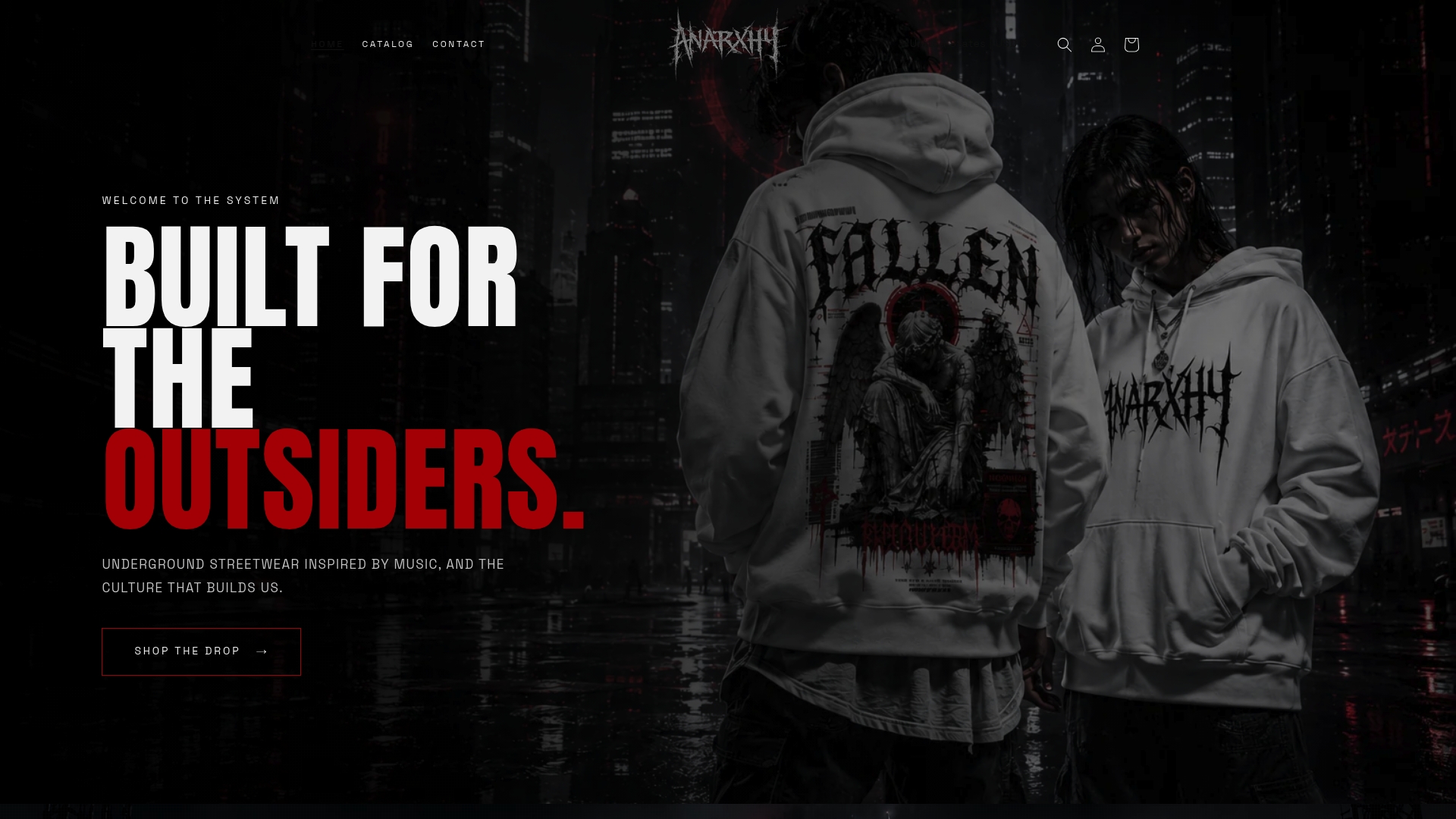
The FALLEN//001 hoodie is a direct example. It is a unisex limited-edition piece designed for gamers who treat their wardrobe the same way they treat their loadout: with intention. Anarxhy’s Signal Lost series carries the same dystopian aesthetic that resonates with gamers who live on the edges of mainstream culture. Every piece uses eco-friendly materials, so your identity expression does not cost the planet. The brand’s limited drops mean you are not buying something everyone else has. Check the new arrivals to see what is currently available before the next drop closes.
Key takeaways
Collectible fashion appeals to gamers because it translates digital identity, scarcity psychology, and community belonging into physical form, creating apparel with lasting cultural and social value.
| Point | Details |
|---|---|
| Scarcity drives value | Limited drops trigger FOMO and push resale prices 30–50% above retail. |
| Subtle design wins | Hidden lore details and understated aesthetics outperform loud branded graphics. |
| Fashion as social currency | Collectible apparel signals community membership and identity in real-world settings. |
| Market valuations are rising | Vintage gaming collectibles have reached record prices, reflecting broader market momentum. |
| Authenticity is non-negotiable | Pieces with genuine cultural embedding hold value; transactional merch does not. |
FAQ
Why do gamers value limited-edition fashion so much?
Limited-edition fashion functions as a physical membership badge. It signals community belonging and carries the same scarcity psychology that makes rare in-game cosmetics feel more valuable.
What makes collectible gaming fashion different from regular merch?
Collectible gaming fashion includes hidden lore details, numbered editions, and cultural embedding that regular merchandise lacks. These elements create lasting community value beyond the item’s physical appearance.
How much does collectible fashion for gamers typically cost?
Standard gaming apparel ranges from $20 to $100, while limited-edition streetwear drops and figures can reach $250 to $300 or more depending on scarcity and the collab involved.
How do gamers use fashion to express their identity offline?
Gamers carry their avatar personalization instincts into physical style, using collectible apparel to signal which games they play, which communities they belong to, and how seriously they take gaming culture.
Is sustainable production important to gamer collectors?
Eco-conscious manufacturing is a growing factor, particularly among younger collectors who want their purchases to reflect their values alongside their gaming identity.