

Underground streetwear brands gamers follow are defined by limited drops, subtle gaming aesthetics, and a refusal to slap licensed logos on everything. These labels speak the language of gamer culture without spelling it out. Brands like C1RCT and Anarxhy have built loyal followings by treating scarcity the way games treat rare loot: something you earn, not something you buy off a shelf. The shift toward cyberpunk techwear and dark minimalism is not a trend. It is a statement about who you are and what you reject.
What defines underground streetwear brands gamers follow?
Underground gamer streetwear, also called alternative streetwear for gamers, is built on three pillars: scarcity, aesthetic authenticity, and cultural symbolism. These brands do not operate like H&M or even Supreme. They produce only what is ordered or run tiny batches, which mirrors the psychology of rare in-game drops.
The defining features of these brands include:
- Drop-based releases: Limited runs and pre-order systems eliminate dead stock and create genuine rarity. Pricing typically runs $27–$45 for tees and $38–$55 for hoodies.
- Zero licensed branding: 2026 trends favor subtle aesthetics like cyberpunk techwear, dark minimalism, and fantasy armor. No giant game logos. No corporate co-signs.
- DIY and punk roots: Brands that ignore the DIY ethos face community rejection. Authenticity is not optional in this space.
- Functional design: Oversized fits, mesh panels, and layered techwear serve both style and the physical comfort of long sessions.
The contrast with mainstream licensed merchandise is sharp. A mass-market gaming tee tells the world what game you play. An underground piece tells the world how you think. That distinction matters deeply to gamers who see their identity as more complex than a franchise logo.
Pro Tip: To spot an authentic underground brand, check whether it runs pre-order drops instead of permanent stock. Real underground labels sell out and close the window. Fake ones just restock quietly.
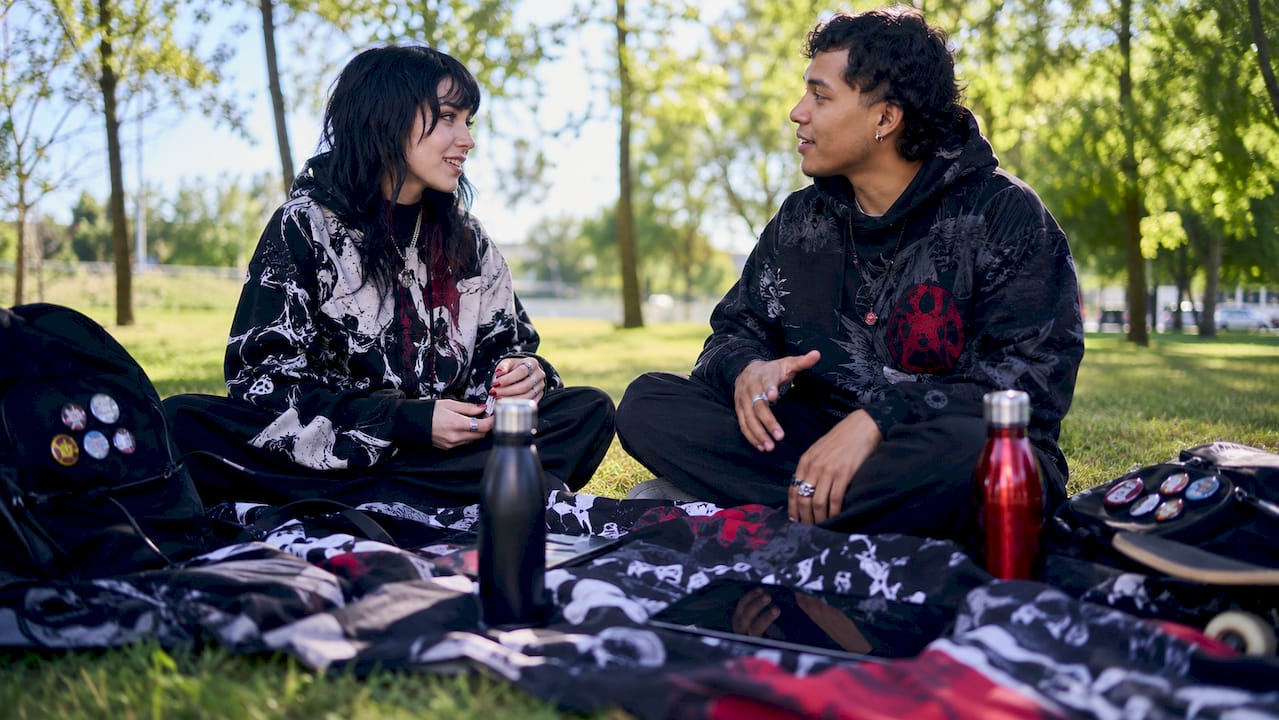
1. C1RCT
C1RCT is one of the most referenced names in gaming streetwear circles. The brand runs a strict drop-based manufacturing model that produces only pre-ordered quantities, making every piece genuinely scarce. Tees start around $27 and hoodies land in the $38–$55 range. The aesthetic leans into dark, technical graphics that feel like concept art pulled from a dystopian RPG. Streamers have worn C1RCT pieces on stream without being paid to, which is the strongest endorsement underground culture offers.
2. Anarxhy
Anarxhy is built around the outsider ethos, pulling from music rebellion, punk culture, and dystopian visual language. The brand’s “Signal Lost” series uses imagery that reads like a corrupted broadcast, which resonates with gamers who live in digital spaces and feel disconnected from mainstream culture. Anarxhy uses eco-friendly materials, so the exclusivity comes without the guilt of fast fashion. Limited drops mean you are not going to see your hoodie on ten other people at a LAN event.
3. Player Streets
Player Streets tracks and amplifies underground gamer fashion trends rather than chasing mainstream approval. The brand’s identity is rooted in the idea that gaming fashion combines cosplay craftsmanship, esports styling, and streetwear. Color palettes and silhouettes function as identity signals, not decoration. Player Streets pieces work as everyday wear that quietly communicates fandom to anyone who knows how to read it.
4. Oversized hoodie labels rooted in esports culture
The gamer hoodie is not just a comfort item. Streamers like xQc and Pokimane normalized oversized hoodies year-round as a performance ritual, not a fashion choice. Several underground labels have built their entire identity around this piece, producing hoodies with minimal external branding but heavy internal meaning. Oversized fits dominate because they prioritize resilience over fashion trends and create a consistent visual identity for streamers who are always on camera.
5. Techwear-focused underground labels
Techwear brands aimed at gamers combine functional construction with cyberpunk visual language. Think cargo pockets, water-resistant fabrics, and muted palettes in black, gray, and deep olive. These labels appeal to gamers who want their clothing to feel like gear. The aesthetic connects directly to games like Cyberpunk 2077, Deus Ex, and Ghost in the Shell inspired titles without ever printing a logo from any of them.
6. Dark minimalism brands
Dark minimalism is the quietest corner of underground gamer fashion and one of the most respected. These brands strip everything back to clean silhouettes, tonal graphics, and near-invisible branding. The appeal is that the clothing works in any context: a gaming setup, a music venue, or a gallery opening. For gamers who want unique streetwear that does not announce itself, dark minimalism delivers.
7. Fantasy armor aesthetic brands
Fantasy armor aesthetics translate the visual language of RPGs and MMORPGs into wearable form. Structured shoulders, layered fabrics, and graphic elements that suggest plate mail or rune-carved leather appear across several underground labels. This is not cosplay. It is fashion that borrows the storytelling logic of games and applies it to real clothing construction. The result is pieces that feel like they belong in a world you want to inhabit.
8. Streamer co-branded underground lines
Streamer and esports collaborations have produced some of the most sought-after pieces in underground gamer fashion. These are not corporate sponsorships. They are community-driven projects where a streamer with genuine credibility partners with a small label to produce a limited run. The authenticity of the streamer transfers directly to the brand. When the drop sells out in hours, the secondary market value confirms the cultural weight.
9. Punk-influenced gamer apparel
Punk and gaming share more DNA than most people realize. Both cultures are built on DIY practices, authenticity, and rejection of commercial norms. Punk-influenced gamer apparel uses distressed graphics, anarchic typography, and anti-corporate messaging to speak to gamers who see themselves as outside the mainstream. Anarxhy sits squarely in this category, using music rebellion as a design language that gamers immediately recognize. You can explore how punk shapes streetwear design to understand why this crossover runs so deep.
10. Limited-drop tee labels with gamer graphics
Several underground labels focus exclusively on graphic tees with gamer-coded imagery: corrupted data visuals, pixel decay, system error messages, and abstract references to loading screens. These pieces run $27–$45 and drop in quantities of 50–200 units. The graphics are designed to be readable to gamers and abstract to everyone else. That dual-layer communication is exactly what the best underground apparel brands do with originality.
How underground streetwear reflects gamer identity and subculture
Gamer identity is built on systems, mastery, and belonging to a culture that outsiders do not fully understand. Underground streetwear mirrors that structure precisely.
“Gaming fashion is a convergence of DIY punk roots and digital culture, creating apparel that signals both technical skill and fandom immersion, demanding authenticity that mainstream brands often lack.” — The Story Behind Iconic Gamer Fashion
The scarcity model of underground drops maps directly onto the psychology of rare in-game items. When you own a piece from a 100-unit drop, you feel the same way you feel holding a legendary weapon in an RPG. The clothing becomes a collectible. The oversized gamer hoodie extends this further. It functions as a competitive uniform, a wearable talisman that signals focus and identity simultaneously. Esports professionals wear them for the same reason athletes have pre-game rituals. The consistency creates psychological readiness.
Underground gamer fashion also uses subtle cues that only insiders recognize. A specific color palette, a corrupted font, a graphic that references a game mechanic without naming the game. These are identity signals, not advertisements. They create community among people who can read the code.
How to integrate underground streetwear into your gamer lifestyle
Adopting underground gamer streetwear authentically means building a wardrobe around a few key principles rather than buying everything at once.
- Start with one anchor piece. A hoodie or graphic tee from a brand you genuinely respect carries more weight than a full outfit from a label you just discovered.
- Layer for depth. Techwear aesthetics reward layering. A mesh long-sleeve under a dark tee, or a structured jacket over an oversized hoodie, creates the visual complexity that gaming fashion trends in 2026 favor.
- Follow drop schedules. Set reminders for brands you follow. Underground labels do not restock. Missing a drop means waiting for the next one or paying resale prices.
- Avoid obvious fakes. Authentic underground brands have clear drop histories, community presence, and consistent design language. If a brand has unlimited stock and no community, it is not underground.
- Balance subtlety with expression. The best underground pieces work in multiple contexts. A dark minimalist tee reads as streetwear anywhere. A full fantasy armor fit is a statement. Know which one you are reaching for.
Pro Tip: Pair a gamer hoodie with slim-fit cargo pants and clean low-top sneakers for a look that works from a gaming setup to a night out. The hoodie anchors the outfit; everything else stays simple.
Key takeaways
Underground gamer streetwear is defined by drop-based scarcity, subtle gaming aesthetics, and DIY cultural roots that mainstream fashion cannot replicate.
| Point | Details |
|---|---|
| Drop-based scarcity is the core model | Authentic underground brands produce limited runs, mirroring the rarity of in-game collectibles. |
| Subtle aesthetics over logos | Top underground apparel brands use cyberpunk, dark minimalism, and fantasy armor visuals instead of licensed branding. |
| The hoodie is a cultural and performance tool | Oversized hoodies function as competitive uniforms and identity signals, not just comfort wear. |
| DIY roots demand authenticity | Brands that abandon punk and DIY ethos lose credibility with gaming communities fast. |
| Streamer culture amplifies underground brands | Community-driven collaborations with credible streamers create the most sought-after drops in gamer fashion. |
Why the underground gamer fashion scene is more serious than people think
I have watched streetwear trends come and go for over a decade, and the gamer fashion space is the one that consistently surprises me. Most fashion observers still treat it as a niche. They are wrong.
What I see in underground gamer streetwear is a subculture that has developed its own rigorous standards. The community rejects inauthenticity faster than any other fashion audience I have encountered. A brand that tries to fake the drop model or borrow gaming aesthetics without genuine cultural investment gets called out immediately, and loudly. That accountability is rare.
The streamer influence is also more nuanced than it appears. The most impactful collaborations are not the ones with the biggest audiences. They are the ones where the streamer’s community already trusts their taste. A 50,000-subscriber streamer with a devoted community can move a 200-unit drop faster than a celebrity with millions of followers who has no credibility in the space.
What I find most compelling is the sustainability angle. Drop-based production is not just a marketing tactic. It is a genuinely better model for the environment, and gamers respond to that. They understand systems. They understand that producing only what is ordered is smarter than flooding the market with dead stock. Brands like Anarxhy that combine eco-friendly materials with limited drops are not compromising between ethics and style. They are proving those two things belong together.
My honest advice: stop waiting for underground gamer fashion to get mainstream validation. It does not need it, and seeking that validation would ruin what makes it worth following.
— Johnathan
Discover your next drop at Anarxhy
Anarxhy drops limited collections built for people who do not fit the mainstream mold. The DIGITAL DECAY hoodie is exactly what underground gamer streetwear looks like when it is done right: dystopian graphics, eco-friendly construction, and a silhouette that works on stream or in the street.
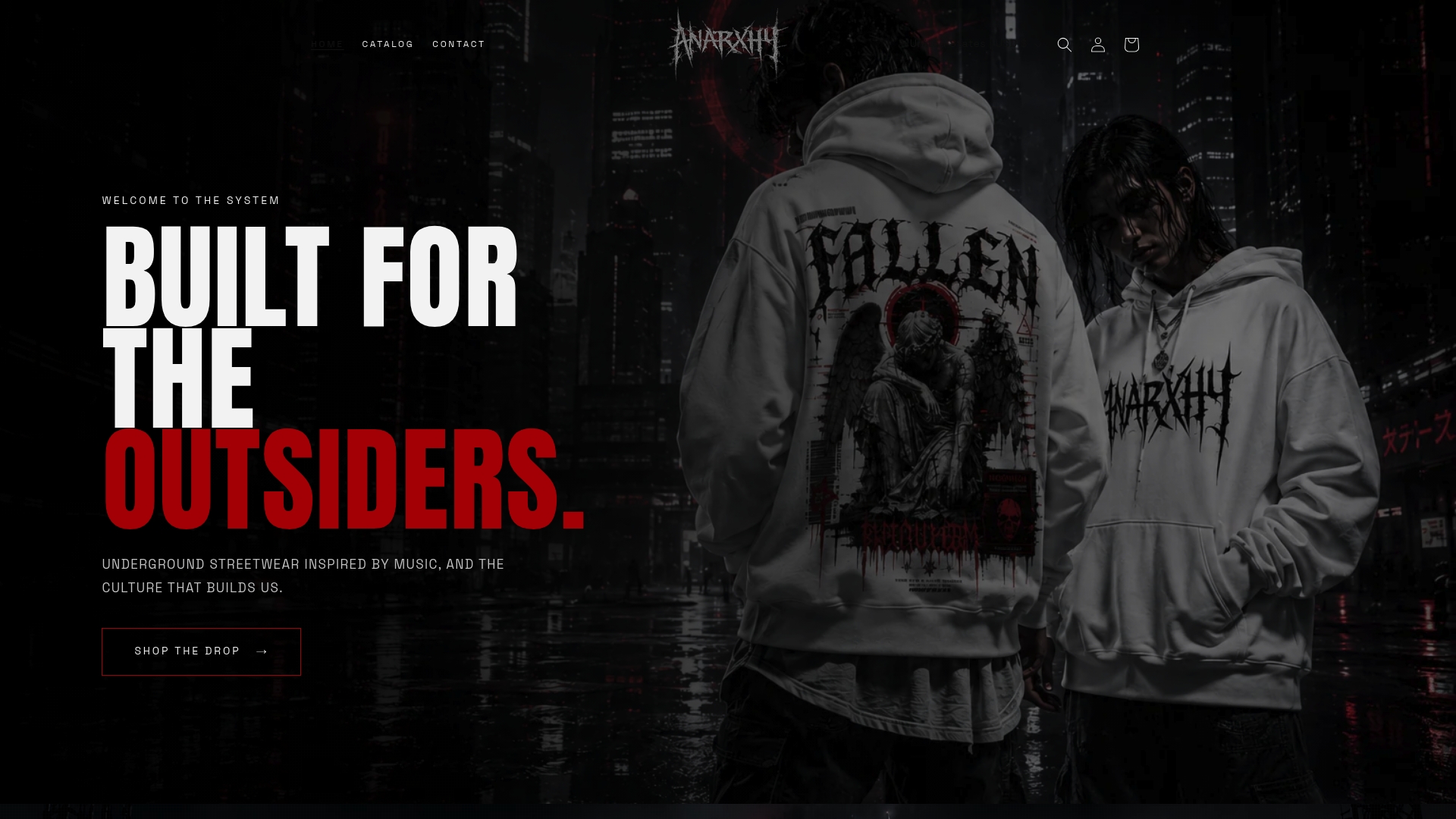
Every piece in the Anarxhy catalog is produced in limited quantities. When the drop closes, it closes. Check the new arrivals to see what is currently available before the window shuts. If you are building a wardrobe that reflects who you actually are, this is where you start.
FAQ
What do underground streetwear brands gamers follow look like?
Underground gamer streetwear uses cyberpunk techwear, dark minimalism, and fantasy armor aesthetics instead of licensed game logos. The designs signal gaming culture through subtle visual language rather than overt branding.
Why do gamers prefer drop-based streetwear brands?
Drop-based models create genuine scarcity that mirrors the psychology of rare in-game items. Gamers value exclusivity in physical clothing the same way they value legendary drops in games.
What makes a gamer hoodie different from a regular hoodie?
The gamer hoodie functions as a performance ritual and identity signal, not just comfort wear. Esports professionals and streamers like xQc use oversized hoodies as a consistent competitive uniform.
How do I find authentic underground apparel brands?
Authentic underground brands have documented drop histories, active communities, and consistent design language. If a brand has unlimited stock and no community presence, it is not genuinely underground.
Is underground gamer streetwear sustainable?
Many top underground labels use pre-order and limited-batch production to eliminate dead stock, making them significantly more sustainable than fast fashion alternatives. Anarxhy also uses eco-friendly materials across its collections.