

Oversized silhouettes are the defining visual language of contemporary streetwear, communicating comfort, cultural identity, and deliberate self-expression in a single garment. Market analytics confirm that oversized outerwear, knitwear, and denim have outpaced fitted styles for five consecutive years. The reasons why oversized silhouettes dominate streetwear run deeper than aesthetics. They trace back to hip-hop’s 1990s roots, Gen Z’s redefinition of comfort, and a 2026 design culture that treats proportion as a deliberate creative tool rather than an accident of sizing.
Why oversized silhouettes dominate streetwear: the core drivers
The preference for loose, roomy clothing in streetwear is not a passing trend. It reflects a set of deeply held values around physical ease, emotional freedom, and personal identity that Gen Z and millennial consumers treat as non-negotiable.
Three forces drive this preference:
- Physical comfort. Oversized cuts allow unrestricted movement, making them practical for daily urban life. Gen Z’s comfort priorities include physical ease, emotional comfort, and body neutrality, expanding what “functional fashion” actually means.
- Social media visibility. Loose silhouettes photograph dramatically. Wide shoulders, dropped hems, and exaggerated proportions create strong visual contrast that reads clearly on a phone screen. This is not coincidental. Streetwear’s rise as a content category on Instagram and TikTok has rewarded the silhouettes that perform best at small scale.
- Identity expression. An oversized hoodie or wide-leg cargo pant is a blank canvas. Oversized tees function as tools for personal and artistic expression while retaining their subculture roots. The garment says something before the wearer speaks.
The importance of oversized fit in streetwear is not just stylistic preference. It is a communication system. Wearing volume signals a specific set of values: comfort over conformity, presence over performance, culture over trend-chasing.
Pro Tip: If you are building an oversized look for social content, shoot from a slight low angle. The exaggerated proportions of wide-leg pants and boxy tops read more powerfully when the camera is below hip height.
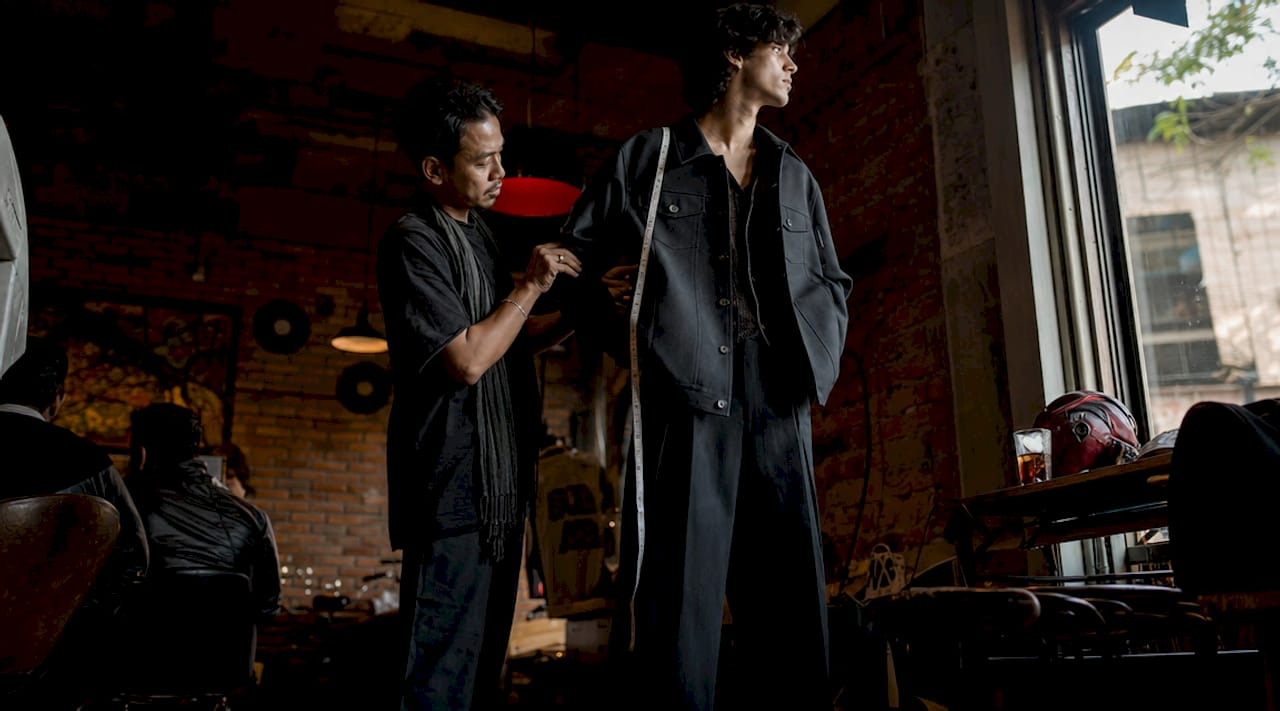
Understanding streetwear’s cultural origins helps clarify why these values are so durable. The aesthetic was never about fitting in. It was always about standing apart.
How hip-hop culture shaped the baggy silhouette
The question of why streetwear is baggy has a direct historical answer: hip-hop. The oversized aesthetic did not emerge from high fashion runways. It came from the streets of New York, Los Angeles, and Atlanta in the early 1990s, where clothing choices carried real cultural weight.
Here is how that lineage developed:
- 1990s hip-hop style established the template. Hip-hop’s early fashion with oversized pants, bucket hats, and XXXL jerseys created a visual identity tied to community, authenticity, and resistance to mainstream dress codes. Artists like Tupac Shakur, Notorious B.I.G., and Wu-Tang Clan wore volume as a statement.
- Bagginess became a symbol of rebellion. Wearing clothes that did not conform to the fitted silhouettes of corporate or preppy fashion was a deliberate rejection. The size of the garment communicated independence from systems that demanded conformity.
- Subculture crossed into mainstream fashion. By the early 2000s, luxury brands began absorbing the oversized aesthetic. Designers like Demna Gvasalia at Vetements and later Balenciaga took the proportional logic of streetwear and recontextualized it for runway audiences, giving the silhouette a second cultural life.
- Music and rebellion remain inseparable from the look. The connection between music and clothing identity is not decorative. It is structural. When artists wear a silhouette consistently, it becomes associated with their cultural authority, and fans adopt it as a form of alignment.
The oversized fashion impact on today’s market is a direct inheritance from this history. Brands that understand this lineage design with intention. Those that do not produce clothes that look oversized without meaning anything.
What makes oversized styling intentional in 2026?
The streetwear style evolution between 2015 and 2026 produced a critical distinction: the difference between sizing up and actually designing for oversize. In 2026, oversized fits are deliberate constructions using proportion and layering, not accidents of buying a larger size.
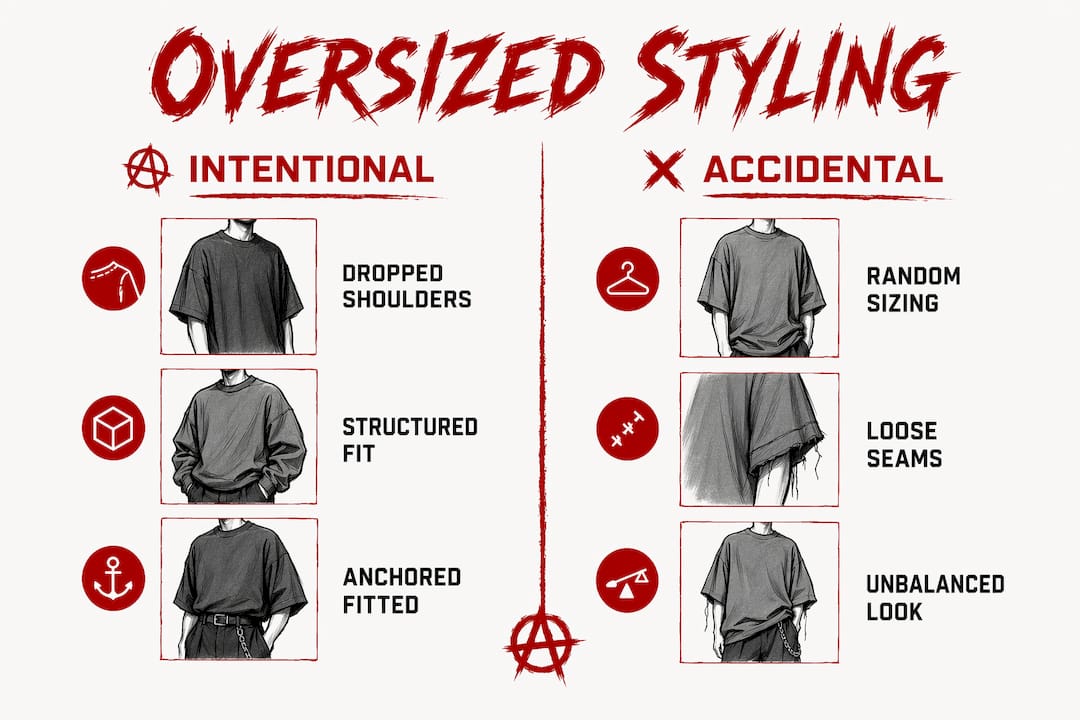
Here is how intentional oversized styling differs from careless bagginess:
| Element | Intentional oversized | Accidental bagginess |
|---|---|---|
| Shoulder placement | Dropped to a specific point for visual effect | Falls wherever the larger size lands |
| Silhouette contrast | Pairs volume with a fitted or tapered element | All pieces are equally loose |
| Fabric weight | Chosen to hold structure despite the relaxed cut | Ignored, resulting in shapeless drape |
| Layering logic | Outer layers are sized to work over inner layers | Layers are added without proportion planning |
The key pieces driving this intentional approach in 2026 are oversized hoodies with structured shoulders, wide-leg pants with a defined waistband, and boxy outerwear worn over slim base layers. Staple pieces like hoodies and wide-leg pants continue as baseline essentials precisely because they solve real daily wear problems: movement, layering, and comfort across temperature changes.
Pro Tip: The fastest way to make an oversized look feel intentional is to anchor one fitted element. Slim sneakers under wide-leg pants, or a close-fitting base layer visible at the collar of a boxy hoodie, creates the proportional contrast that separates a considered outfit from a shapeless one.
Photographers and content creators who want to capture this aesthetic well should study streetwear photography techniques that emphasize silhouette over detail.
Why oversized fits outlast seasonal trends
Are baggy clothes popular because of a trend cycle, or is something more structural happening? The evidence points to structural. The benefits of loose clothing extend far beyond aesthetics, which is why the silhouette survives season after season while other trends collapse.
The durability of oversized streetwear comes from several overlapping advantages:
- Gender neutrality. Oversized streetwear bridges gender categories and supports body neutrality, making it one of the few silhouettes that genuinely works across the full spectrum of body types and gender expressions. A single hoodie design can serve an entire community rather than a segmented demographic.
- Everyday utility. Loose cuts accommodate layering, allow physical movement, and work across multiple contexts from transit to social settings to creative work environments. This versatility is a commercial advantage that fitted clothing simply cannot match.
- Digital identity. Oversized silhouettes create strong, recognizable shapes in profile photos, short-form video, and editorial content. Silhouette consistency supports brand recognition while materials and details refresh the seasonal offering. The shape becomes a signature.
- Community signaling. Wearing a specific oversized silhouette from a specific brand communicates membership in a cultural community. This is why limited drops from labels like Anarxhy carry weight. The garment is not just clothing. It is a credential.
The trends in streetwear that endure are always the ones that solve multiple problems simultaneously. Oversized fits solve comfort, identity, utility, and visibility at once. That is a rare combination.
How oversized clothing communicates before you speak
Oversized fashion is not just construction. It is a social and psychological code for negotiating visibility and identity in public space.
“Oversized silhouettes act as a buffer against body scrutiny and signal identity visually before words.” Streetwear aesthetic guide 2026
This matters more than most fashion writing acknowledges. The choice to wear volume is often a choice about how much of yourself you expose to public evaluation. Oversized clothing creates physical and psychological space between the body and the gaze. For many wearers, this is not a style preference. It is a form of protection that also happens to look good.
The body neutrality dimension is equally significant. Physical ease, emotional comfort, and body neutrality together define what comfort means for Gen Z consumers. Oversized clothing removes the pressure to present a specific body shape, which reduces the anxiety that fitted clothing can generate. The garment stops being a measuring tool and starts being a statement.
At the same time, wearing oversized clothing with confidence communicates something specific. It signals that the wearer is not seeking approval from conventional dress standards. That signal is legible to others who share the same values, which is why oversized streetwear functions so effectively as community identification. The graphics and identity work printed on these garments amplify that signal further.
Key takeaways
Oversized silhouettes dominate streetwear because they solve comfort, identity, utility, and cultural communication simultaneously, making them structurally durable rather than trend-dependent.
| Point | Details |
|---|---|
| Cultural roots run deep | Hip-hop’s 1990s baggy aesthetic established oversized as a symbol of rebellion and community identity. |
| Comfort is multidimensional | Gen Z defines comfort as physical ease, emotional freedom, and body neutrality, all of which oversized fits deliver. |
| Intentional design matters | True oversized styling uses proportional contrast and layering logic, not just a larger size. |
| Gender neutrality extends reach | Oversized silhouettes work across body types and gender expressions, giving them broader commercial durability. |
| Silhouette communicates identity | Wearing volume signals cultural values and community membership before a single word is spoken. |
The line between intentional and sloppy is thinner than you think
I have watched a lot of people get oversized dressing wrong, and the mistake is almost always the same. They buy a size or two up and call it done. The result looks like they borrowed someone else’s clothes rather than made a deliberate choice.
True oversized styling requires one anchor point. Every look I have seen that works, whether it is a Anarxhy hoodie worn over slim-cut trousers or a boxy jacket over a fitted turtleneck, has one element that holds the proportions in place. Without that anchor, volume reads as neglect rather than intention.
The cultural authenticity piece matters just as much. Oversized streetwear carries a specific history, and wearing it without understanding that history produces looks that feel hollow. When you know that the silhouette traces back to hip-hop communities using clothing as a form of resistance, you wear it differently. You make choices about what goes on the garment, how you layer it, and what context you wear it in. That awareness is what separates someone who wears streetwear from someone who understands it.
— Johnathan
Wear the silhouette with intention
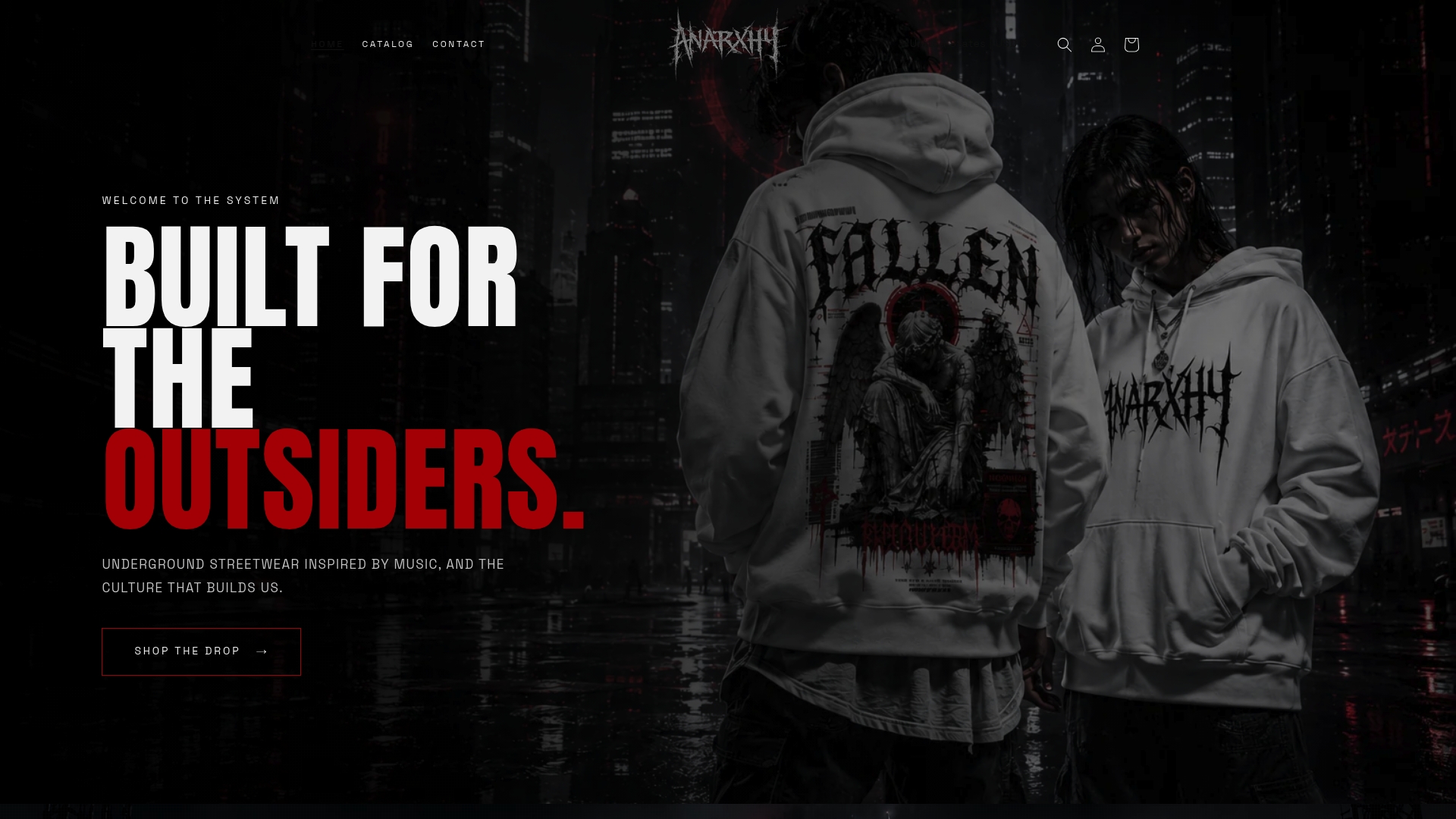
Anarxhy builds oversized streetwear for people who understand the difference between wearing volume and wearing it with purpose. The SYSTEM ERROR hoodie and the FALLEN//001 are constructed with dropped shoulders and structured hems that create the proportional contrast intentional oversized styling demands. Every piece in the Signal Lost collection is made from eco-friendly materials, so the statement you make is one you can stand behind. If you are ready to wear the silhouette the way it was meant to be worn, explore the full range at Anarxhy.
FAQ
Why do oversized silhouettes dominate streetwear?
Oversized silhouettes dominate streetwear because they communicate comfort, cultural identity, and rebellion simultaneously. Their roots in 1990s hip-hop culture gave them lasting credibility, and their practical benefits in daily wear have kept them commercially relevant.
Are baggy clothes still popular in 2026?
Baggy clothes remain highly popular in 2026, with oversized outerwear, wide-leg pants, and boxy hoodies continuing as streetwear staples. The silhouette has evolved from subcultural signal to a deliberate design language used by both independent labels and luxury houses.
What is the difference between oversized and just wearing a bigger size?
True oversized styling uses intentional proportional contrast, pairing volume in one area with a fitted element elsewhere. Simply buying a larger size produces shapeless results without the visual impact that defines genuine oversized streetwear.
How does oversized clothing support body neutrality?
Oversized garments remove the pressure to present a specific body shape, reducing the anxiety that fitted clothing generates. Studies on Gen Z consumer behavior identify body neutrality as one of the primary reasons this demographic gravitates toward loose silhouettes.
What oversized pieces are considered streetwear essentials?
Oversized hoodies, wide-leg cargo pants, boxy outerwear, and dropped-shoulder tees are the core pieces. These garments solve layering, movement, and comfort needs while functioning as identity signals within streetwear communities.