

Streetwear collection curation is the deliberate process of selecting a limited, coordinated set of pieces that express a defined personal aesthetic while staying versatile and commercially grounded. The industry term for this practice is capsule curation, and it sits at the center of how every serious designer and collector builds a wardrobe that lasts. How streetwear collections are curated has shifted away from chasing hype drops and toward building repeatable style systems. Brands like Anarxhy, platforms like Grailed, and guides from Modaknits all point to the same truth: intention beats accumulation every time.
How streetwear collections are curated: the foundational elements
Every strong streetwear capsule starts with a core set of staples. Effective capsule collections typically consist of 5–15 pieces unified by design, which creates exclusivity and keeps inventory manageable. That number is not arbitrary. A tighter selection forces every piece to earn its place.
The backbone of any capsule is neutral-toned basics. Black, charcoal, navy, and earth tones form the color foundation because they layer without conflict and stay relevant across seasons. Quality basics built on these tones outperform a larger volume of mediocre items every time.
Silhouette and fabric weight matter as much as color. Heavyweight tees, structured hoodies, and relaxed cargo pants form the product center of most successful streetwear capsules. Fit consistency across pieces is what makes a collection feel intentional rather than assembled by accident. When every item shares a similar weight and proportion, layering becomes effortless.
- Heavyweight tees: 280–320 GSM cotton for structure and longevity
- Hoodies: Fleece-lined, oversized cut for layering compatibility
- Cargo pants: Relaxed fit with neutral tones to anchor multiple looks
- Outerwear: One statement jacket that works over every base layer
- Footwear: Two to three clean sneaker options covering casual and elevated contexts
Pro Tip: Before buying any new piece, check whether it layers cleanly over at least two items already in your collection. If it does not, it belongs in a different wardrobe.
How do personal style and cultural influences shape collection curation?
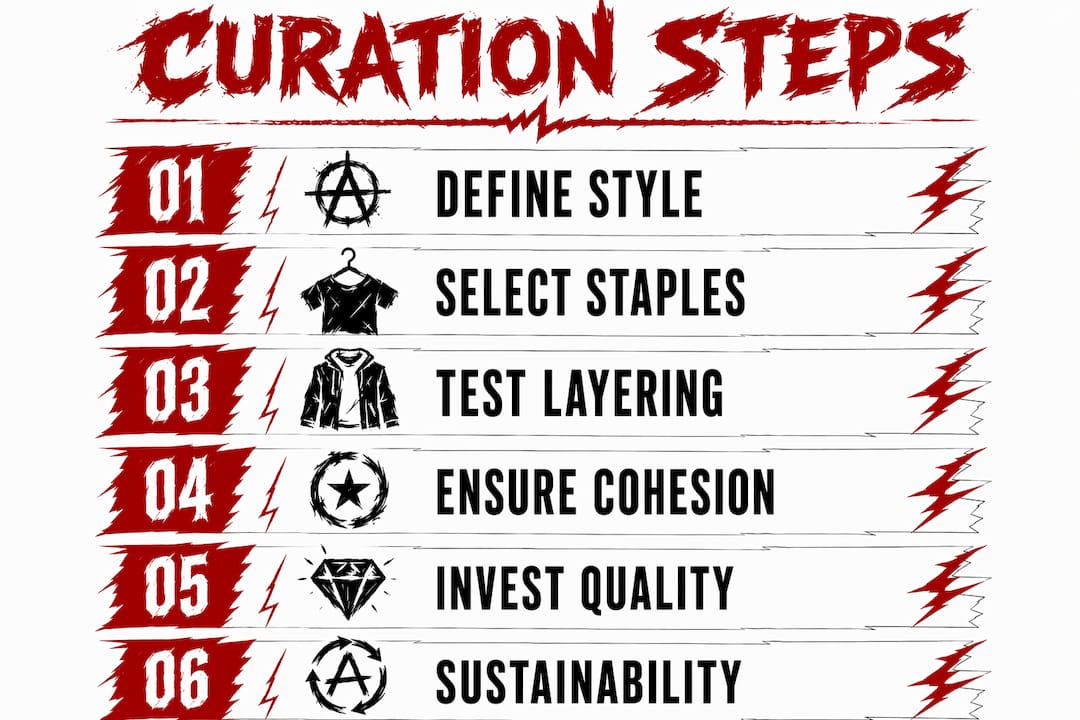
Streetwear curation is less about trend chasing and more about defining a personal aesthetic lane and sticking to it. The designers and collectors who build the most recognizable wardrobes commit to a specific visual identity, whether that is skate, punk, utilitarian, or dystopian. Mixing lanes without intention produces visual noise, not a collection.
Cultural depth comes from mixing vintage and rare items with quality basics. Platforms like Grailed and independent vintage shops offer pieces that carry authentic narrative weight. A worn graphic tee from a 1990s band tour or a deadstock military jacket adds a layer of story that no new release can replicate. That story is what separates a curated collection from a shopping cart.
“Curation is not about owning the most pieces. It is about owning the right ones, chosen with enough intention that every item reinforces the same idea.”
Subcultural influence also shapes which silhouettes and graphics feel authentic. Punk-inspired collections lean toward distressed textures, band references, and asymmetric cuts. Skate collections favor durability and function. Understanding streetwear’s cultural origins helps you select pieces that carry genuine meaning rather than borrowed aesthetics.
- Define your aesthetic in three words before you buy anything new
- Prioritize pieces with cultural or personal narrative over pure logo value
- Mix one vintage or collectible item per five core staples for depth
- Study the subculture you draw from, not just the brands within it
The role of graphics in streetwear identity is particularly significant. A graphic is not decoration. It is a statement of affiliation, and it should align with the broader aesthetic of the collection, not contradict it.
What practical strategies keep a streetwear collection cohesive?
Collections built with product logic outperform moodboard-style assortments that chase visual creativity without a repeatable system. The most effective approach balances hero pieces that generate attention with core staples that anchor consistent wearability. This is not a creative compromise. It is what makes a collection functional rather than decorative.
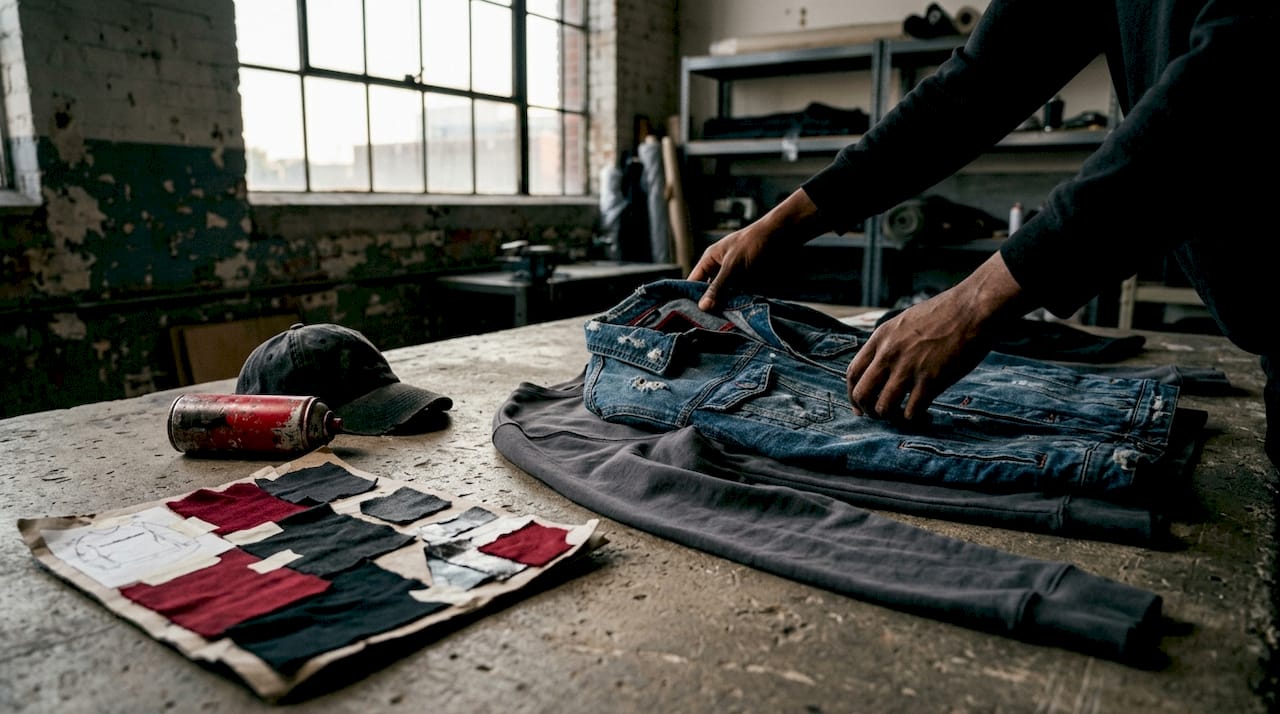
The three-word method is one of the most practical filters available. This method asks you to define your ideal style with three descriptive adjectives before any purchase. Words like “raw, utilitarian, minimal” or “dark, layered, graphic” act as a filter. If a new piece does not fit all three words, it does not enter the collection.
Layering formulas work the same way. A repeatable template of oversized top, relaxed bottom, and clean sneaker covers the majority of styling contexts without requiring new combinations every time. Silhouette control through layering reduces visual clutter and makes outfit assembly faster and more consistent.
- Set your three-word filter before the next shopping session and write it down somewhere visible.
- Build around a hero piece that generates interest, then add three to five core staples that support it.
- Apply the layering formula of oversized top, relaxed bottom, and one clean sneaker as your default outfit template.
- Test every limited-edition item against your existing wardrobe before buying. Each piece should anchor at least three distinct outfits.
- Audit quarterly. Remove anything that has not been worn in 90 days. A collection that does not get worn is a storage problem, not a style system.
Pro Tip: Treat limited-edition pieces like investments. If a piece only works with one specific outfit, it is a collector’s item, not a capsule staple. Keep it separate from your functional wardrobe.
Oversized silhouettes remain the dominant shape in 2026 streetwear. Building your layering formula around this silhouette keeps your collection current without requiring constant updates.
How does sustainability shape modern streetwear curation?
Mindful consumption is now a core part of how designers and collectors approach curating streetwear collections. Capping a functional capsule at 30 items reduces decision fatigue and prevents the accumulation of pieces that never get worn. Fewer items, chosen carefully, produce more outfit combinations than a bloated wardrobe ever will.
Quality investment is the clearest path to sustainable curation. A heavyweight hoodie made from organic cotton or recycled fleece costs more upfront but outlasts three fast-fashion alternatives. Collections that prioritize quality basics reduce waste and extend the life of each piece significantly. The math favors quality every time.
Vintage and upcycled pieces play a direct role in sustainable collection building. Upcycled streetwear reduces textile waste while adding authentic character that new production cannot replicate. A reworked military jacket or a hand-distressed denim piece carries both cultural weight and environmental value.
| Approach | Fast fashion accumulation | Mindful capsule curation |
|---|---|---|
| Piece count | 50+ items | 15–30 items |
| Cost per wear | High (low use frequency) | Low (high use frequency) |
| Environmental impact | High waste, short lifespan | Low waste, long lifespan |
| Style coherence | Low (inconsistent aesthetic) | High (intentional selection) |
| Sourcing | Mass retail | Verified platforms, vintage, quality brands |
Sourcing from verified platforms reduces the risk of counterfeits and supports ethical production. Curated retail platforms simplify access to premium streetwear essentials without the anxiety of navigating unverified resale markets. Knowing the origin of a piece is part of owning it with confidence.
- Choose pieces made from organic, recycled, or long-staple natural fibers
- Limit new purchases to items that replace or upgrade existing staples
- Source at least one vintage or upcycled piece per season
- Verify authenticity before purchasing from resale markets
My honest take on mastering streetwear curation in 2026
The biggest mistake I see aspiring designers and collectors make is buying for the moment instead of the system. They find a piece that excites them, buy it without checking whether it fits their existing wardrobe, and then wonder why nothing feels cohesive. The collection ends up looking like a highlight reel of different people’s tastes rather than a single, defined point of view.
Patience is the actual skill here. The designers I respect most spend more time thinking about a purchase than executing it. They know their three-word filter. They know their layering formula. They know which pieces are heroes and which are core staples. That clarity makes every buying decision faster and better.
The sustainable angle is not a trend. It is a structural advantage. When you invest in fewer, better pieces, you spend less time managing your wardrobe and more time wearing it. Brands like Anarxhy build this logic directly into their production model, using eco-friendly materials and limited drops to keep collections tight and intentional. That is not a marketing position. It is a curation philosophy applied at the brand level.
My advice: define your aesthetic before you open a single browser tab. Write down three words. Build from there. Every piece you add should make the collection stronger, not just larger.
— Johnathan
Anarxhy’s curated hoodies as capsule-ready staples
Anarxhy builds each collection around the same principles covered here: quality materials, restrained design, and pieces that work across multiple outfit contexts.
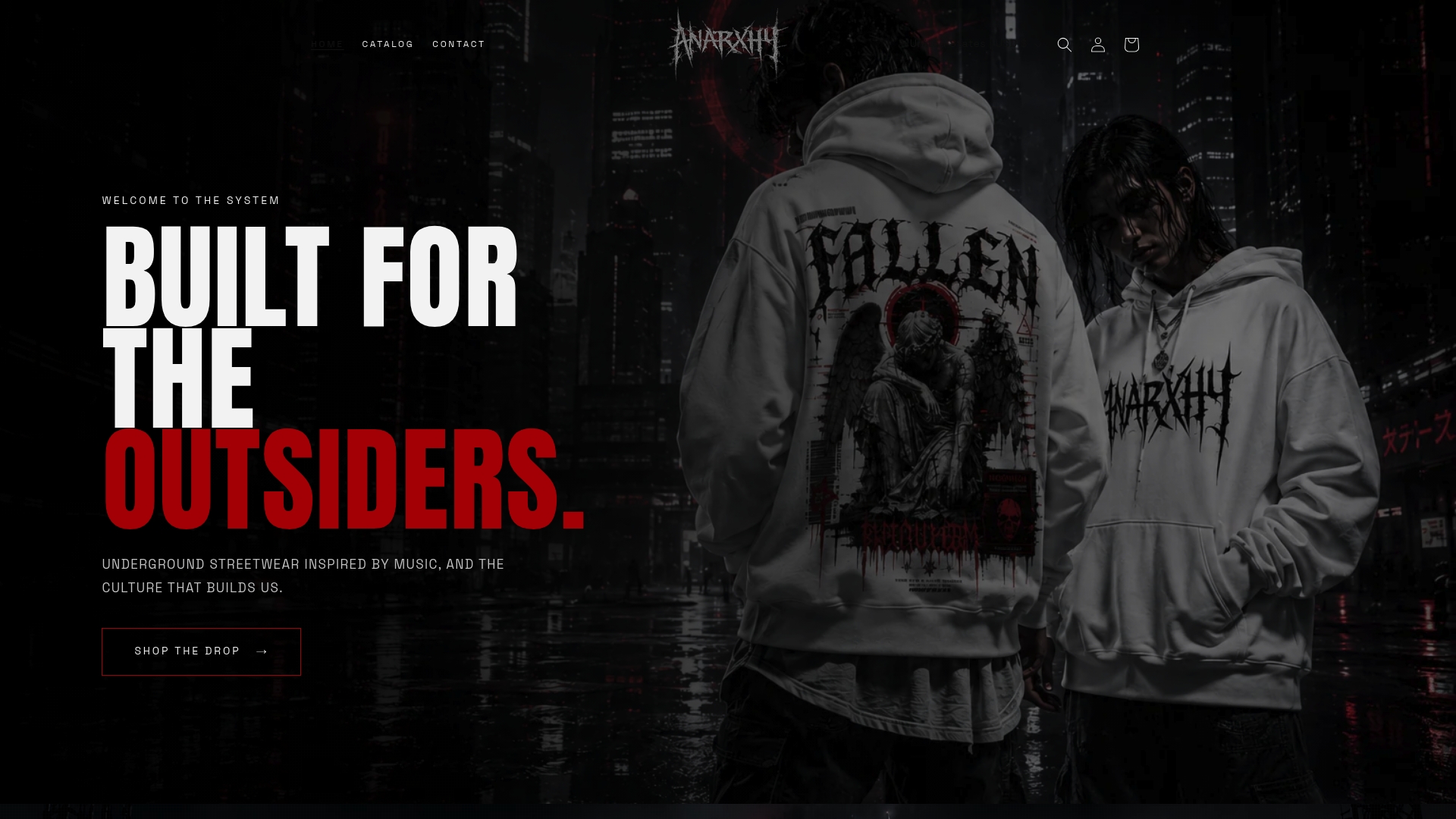
The DIGITAL DECAY hoodie is a direct example of a capsule-ready hero piece. It is unisex, heavyweight, and designed to layer cleanly over core basics without competing with them visually. The SYSTEM ERROR hoodie follows the same logic, offering a graphic-forward option that anchors multiple looks without requiring a separate wardrobe to support it. Both pieces use eco-friendly materials, which aligns with the sustainable curation practices outlined above. If you are building a streetwear capsule and need a hoodie that earns its place, Anarxhy’s current lineup is worth your time.
Key takeaways
Streetwear curation works when every piece is chosen with intention, tested against a clear style filter, and built to anchor multiple outfits rather than a single look.
| Point | Details |
|---|---|
| Capsule size matters | Limit collections to 5–30 pieces to reduce waste and maximize outfit combinations. |
| Neutral foundations first | Build on black, charcoal, navy, and earth tones before adding statement pieces. |
| Use the three-word filter | Define your aesthetic in three adjectives and reject any piece that does not fit all three. |
| Every piece must anchor three outfits | Limited-edition items that only work one way belong in storage, not your capsule. |
| Sustainability is structural | Investing in quality and vintage pieces reduces cost per wear and environmental impact. |
FAQ
What is capsule curation in streetwear?
Capsule curation is the practice of selecting a small, coordinated set of streetwear pieces, typically 5–30 items, that share a unified aesthetic and work across multiple outfit combinations. The goal is versatility and coherence, not volume.
How many pieces should a streetwear capsule collection have?
A functional streetwear capsule works best with 15–30 pieces for a personal wardrobe, or 5–15 styles for a brand launch. Fewer pieces force higher standards for each item and reduce decision fatigue.
What is the three-word method for curating streetwear?
The three-word method asks you to define your ideal style with three descriptive adjectives before any purchase. Any piece that does not match all three words gets filtered out, preventing impulse buys that break collection cohesion.
How does sustainability fit into streetwear collection curation?
Sustainable curation means investing in quality over quantity, sourcing vintage or upcycled pieces, and capping collection size to reduce waste. Brands that use eco-friendly materials, like Anarxhy, make this easier by building sustainability into the product itself.
What makes a limited-edition streetwear piece worth adding to a capsule?
A limited-edition piece earns its place in a capsule only if it anchors at least three distinct outfits using items already in the collection. If it requires a separate wardrobe to function, it is a collector’s item, not a capsule staple.