

Music-inspired fashion is the creative fusion of musical identity and clothing aesthetics, where genres, artists, and subcultures directly shape what people wear and how they express themselves. This style category goes far beyond wearing a band tee. It is a bidirectional, symbiotic relationship where sound shapes silhouette, and clothing communicates what words cannot. From hip-hop’s oversized streetwear to opera’s dramatic draping, the influence of music on fashion is one of the most powerful forces in contemporary style. Brands like Anarxhy have built entire collections around this principle, proving that music and clothing are two languages saying the same thing.
What is music-inspired fashion and why does it matter?
Music-inspired fashion is defined as clothing and styling choices that draw directly from the visual language of musical genres, artists, and subcultures. It is not costume play. It is a deliberate use of color, silhouette, texture, and symbolism to communicate musical identity without speaking a word.
Fashion as nonverbal language has been a recognized cultural force since the 1960s, when Mod fashion in London locked step with the British Invasion sound. That connection has only grown stronger. Today, music genres and fashion are inseparable in the streetwear market, on red carpets, and in the wardrobes of people who use style as personal manifesto.
The significance is cultural and commercial. When you understand how music genres and fashion interact, you gain a framework for building a wardrobe that feels genuinely yours rather than borrowed from a trend cycle you never asked to join.
How do music genres shape distinct fashion aesthetics?
Every major genre carries a visual signature as recognizable as its sound. These signatures emerge from artist iconography, album art, music videos, and the subcultures that form around the music.
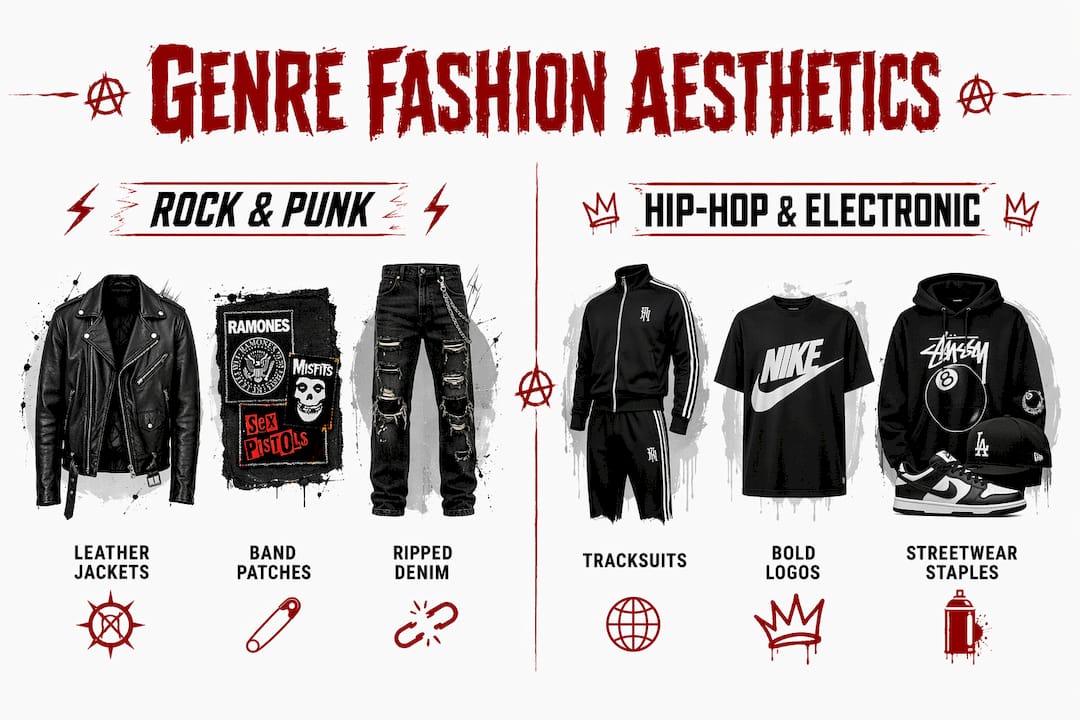
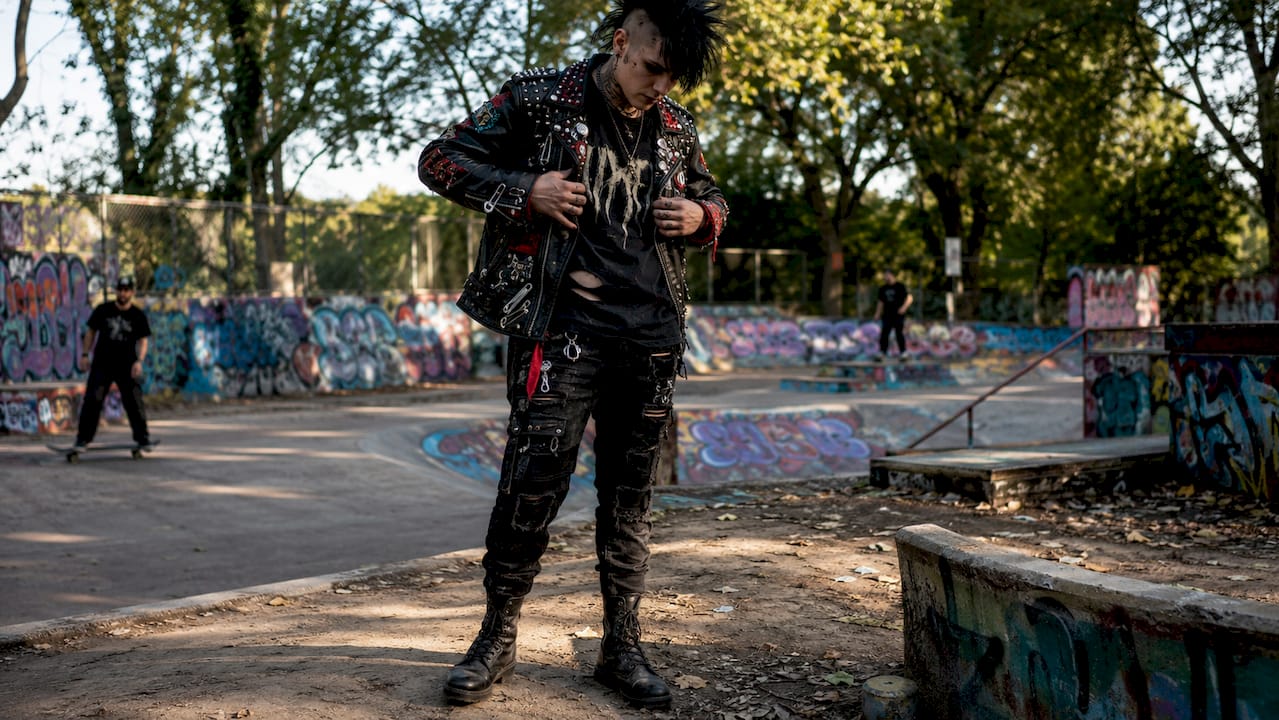
Rock and punk built their look on defiance: leather jackets, band patches, ripped denim, and heavy boots. The Sex Pistols and The Clash did not just make music. They created a dress code for an entire generation of outsiders. Anarxhy’s approach to streetwear draws directly from this tradition, treating clothing as a statement of refusal rather than conformity.
Hip-hop transformed fashion trends in the music industry more than any other genre of the last 40 years. From Run-DMC’s Adidas tracksuits to Kanye West’s Yeezy collaborations with Gap and Balenciaga, hip-hop artists turned streetwear into high fashion. The genre’s influence on streetwear aesthetics is now the primary driver of global youth fashion.
Pop and electronic music favor maximalism, neon, and body-conscious silhouettes. Lady Gaga’s early career was as much a fashion performance as a musical one. Electronic music subcultures like rave and techno introduced utilitarian aesthetics, cargo pockets, and monochrome palettes that still dominate festival fashion.
Opera and classical music are the newest entrants to mainstream fashion inspiration. Pinterest searches for “phantom of the opera outfit ideas” surged 435% in 2026. That number signals a genuine shift in how young consumers are reaching into classical aesthetics for drama and elegance.
- Rock and punk: leather, patches, distressed denim, combat boots
- Hip-hop: oversized silhouettes, logo-heavy pieces, premium sneakers
- Pop: bold color, body-conscious cuts, statement accessories
- Opera and classical: dramatic draping, rich fabrics, structured corsetry
- Electronic and rave: utilitarian fits, monochrome palettes, technical fabrics
Pro Tip: When building a music-inspired look, start with the album art from your three most-played records. Identify the dominant color, the dominant silhouette, and one recurring texture. Those three elements become your outfit’s foundation.
Music-inspired fashion vs. other style influences
Most fashion inspiration flows in one direction. A film inspires a costume, a painting inspires a print, a social movement inspires a silhouette. Music works differently.
| Influence Source | Direction | Emotional Depth | Subculture Formation | Commercial Scale |
|---|---|---|---|---|
| Music | Bidirectional | Very high | Strong and lasting | Massive |
| Film | Mostly one-way | High | Moderate | High |
| Art movements | One-way | Moderate | Limited | Niche |
| Social movements | One-way | Very high | Strong but temporary | Variable |
| Sports culture | Bidirectional | Moderate | Strong | Massive |
The bidirectional quality is what separates music from every other creative influence on fashion. Artists dress to reflect their sound, and fans dress to reflect the artists. Then designers absorb both signals and feed them back into collections. This loop creates subcultures that outlast any single trend cycle.
Film inspires fashion, but a movie ends. A genre never does. Hip-hop fashion has been evolving continuously since the late 1970s. Punk fashion has been reinterpreted by every generation since 1976. That longevity is unique to music-rooted aesthetics, and it is why music subcultures shape personal fashion in ways that film or art rarely achieve.
The emotional dimension matters too. You do not just admire music-inspired clothing. You feel it. That emotional familiarity is why young consumers in 2026 are gravitating toward archival music aesthetics rather than chasing whatever is trending on social media this week.
How to style music-inspired outfits without looking costumey
The single biggest mistake people make with music-inspired outfits is going too literal. Wearing a full replica of David Bowie’s Ziggy Stardust costume to a coffee shop is a costume. Wearing a structured lightning-bolt graphic tee with tailored trousers and Chelsea boots is a wardrobe.
Curation over consumption is the guiding principle here. Subtle, expressive fidelity beats direct quotation every time. The goal is to carry the emotional energy of the music, not to replicate the performer’s stage look.
Follow these steps to build an authentic music-inspired wardrobe:
- Identify your sonic identity. List the three to five genres or artists that genuinely define how you feel, not what is popular. Your wardrobe should reflect your actual listening habits.
- Build a sound and style document. For each playlist or genre, write down three mood words, two anchor colors, and one signature silhouette. This sound and style system is designed for quarterly updates as your musical taste evolves.
- Choose subtle nods over direct quotes. Embroidered lyrics on a jacket lining, a color palette pulled from album art, or a silhouette that mirrors an artist’s stage presence all communicate musical identity without screaming it.
- Match garment motion to musical tempo. Fast-paced music pairs with structured, slim fits, while slow ballads call for flowing fabrics. This is not a rule. It is a calibration tool for when an outfit feels off but you cannot identify why.
- Run a wearability test. Put the outfit on and move. Sit, stand, walk fast, and raise your arms. If the clothing fights your body, it will fight the energy of the music it is meant to represent.
- Anchor with one statement piece. A single strong item, such as a graphic hoodie, a structured moto jacket, or a pair of platform boots, carries the musical reference. Everything else supports it without competing.
Pro Tip: Avoid buying microtrend pieces tied to a single artist’s current era. Instead, invest in genre-defining staples that will still read as intentional five years from now. A well-chosen leather jacket outlasts any chart cycle.
Music fashion trends shaping style in 2026
The data on music-rooted fashion trends in 2026 is clear. Consumer interest in genre-specific aesthetics is accelerating, and the market is responding with collaborations and collections that go deeper than surface-level branding.
| Trend | Key Driver | Consumer Signal |
|---|---|---|
| Opera Girl aesthetic | Classical music revival | 435% Pinterest search surge |
| Archival hip-hop | Gen Z nostalgia | Emotional familiarity over imitation |
| Dystopian streetwear | Electronic and industrial music | Limited-drop brand growth |
| Punk revival | Post-pandemic counterculture | Independent label and zine culture |
Marketing collaborations between fashion and music achieve 23% higher consumer engagement when they are authentic and culturally relevant. That figure explains why brands are moving away from generic celebrity endorsements toward deep creative partnerships with artists who genuinely shape the aesthetic.
The nostalgia factor is significant. Young consumers prefer emotionally familiar styles drawn from archival music aesthetics over literal performer imitation. Puma’s SVP noted this shift explicitly in 2026. It signals a maturing audience that wants to feel the music in their clothing, not just reference it.
“Fashion is the visual extension of a sound. When the two align, the result is not just style. It is identity.”
Anarxhy’s approach to this moment is direct. The brand’s limited drops and dystopian aesthetics are built for an audience that hears industrial and post-punk in their daily soundtrack and wants their wardrobe to match that frequency.
Key takeaways
Music-inspired fashion is the most durable and emotionally resonant style system available because it draws from a source, music, that never stops evolving.
| Point | Details |
|---|---|
| Bidirectional influence | Music and fashion shape each other continuously, unlike film or art which inspire in one direction. |
| Genre as visual blueprint | Rock, hip-hop, opera, and electronic music each carry distinct silhouettes, colors, and textures. |
| Curation beats imitation | Subtle nods like embroidered lyrics or genre-aligned palettes create authentic looks without costume effect. |
| Sound and style planning | A quarterly sound and style document translates your playlist into a wardrobe with lasting coherence. |
| 2026 trend acceleration | Pinterest searches for opera aesthetics surged 435%, confirming music-rooted fashion is expanding beyond streetwear. |
Why i think most people misread music-inspired style
I have watched people approach music-inspired fashion the same wrong way for years. They see an artist they love, they buy the exact pieces from that artist’s most recent tour, and six months later those pieces feel dated because the artist moved on to a new era.
The artists who actually shaped fashion history did not dress to match a moment. They dressed to match a feeling. David Bowie, Grace Jones, and Pharrell Williams built visual identities rooted in the emotional core of their music, not in whatever was trending that season. That is the model worth following.
What I find most interesting about the 2026 shift toward archival and emotionally familiar aesthetics is that it proves the audience has figured this out. People are not chasing the newest drop from their favorite artist’s stylist. They are going back to the source, to the genre, to the subculture, and building something personal from those raw materials.
If you are serious about expressing identity through fashion, treat your music library as a design brief. Not a costume catalog. The difference between those two approaches is the difference between wearing a look and owning one.
— Johnathan
Wear the sound: anarxhy’s music-rooted streetwear
Anarxhy builds clothing for people who hear the world differently. Every piece in the collection carries the sonic DNA of outsider culture, from industrial textures to post-punk silhouettes, made with eco-friendly materials that match the brand’s refusal to compromise.
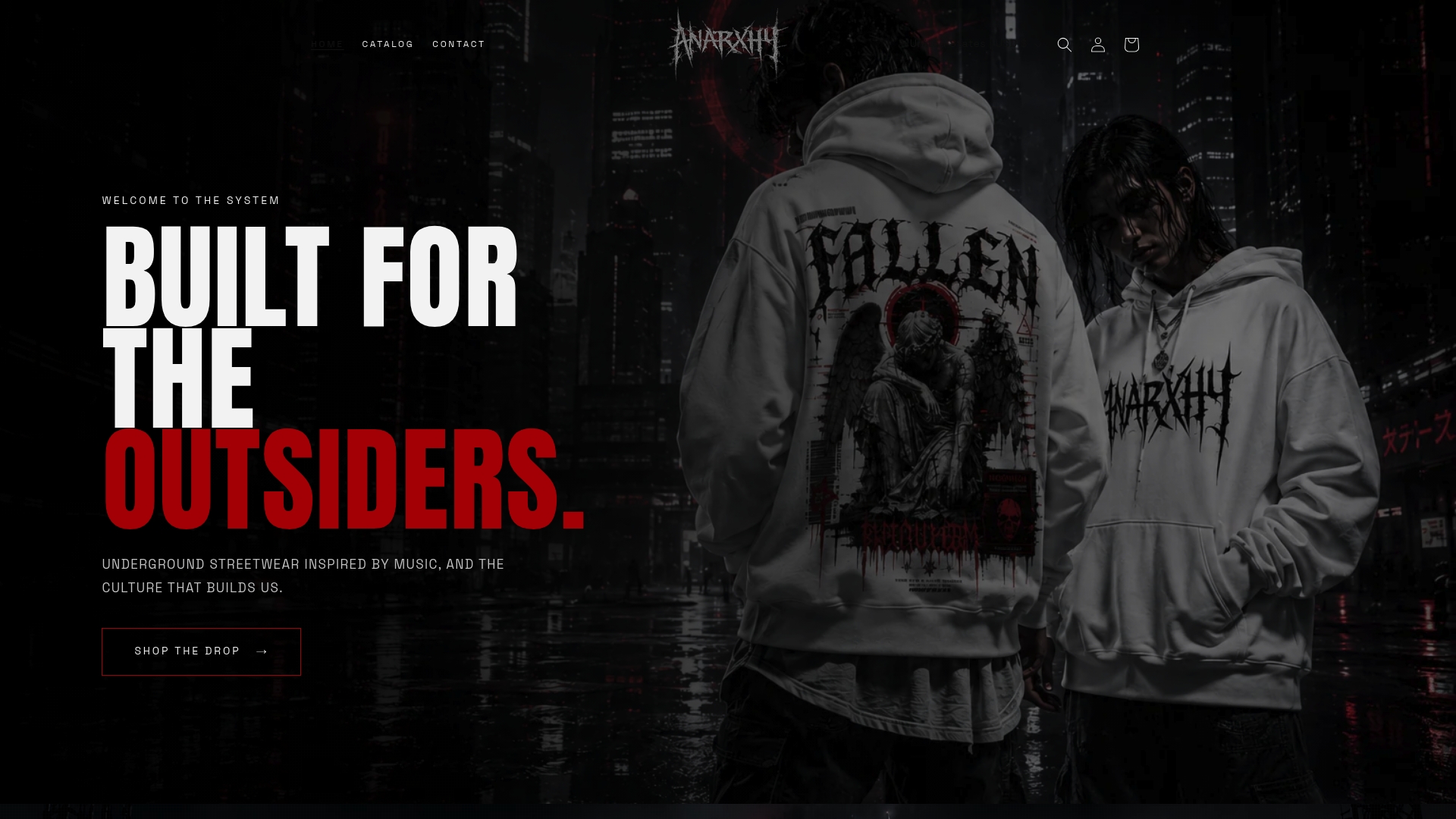
The DIGITAL DECAY hoodie is a direct translation of dystopian electronic music into wearable form. The FALLEN//001 hoodie carries the weight of post-punk’s emotional architecture in every stitch. Both are limited drops, which means they exist for people who move with intention, not with the crowd. Browse the new arrivals to find the piece that matches your frequency.
FAQ
What is music-inspired fashion in simple terms?
Music-inspired fashion is clothing and styling that draws from the visual language of musical genres, artists, and subcultures. It uses color, silhouette, and symbolism to communicate musical identity through what you wear.
Which music genres have the biggest influence on fashion?
Hip-hop, rock, punk, and electronic music have the most documented influence on global fashion trends. In 2026, opera and classical music aesthetics are also surging, with Pinterest searches for opera outfit ideas rising over 400%.
How do i style music-inspired outfits without looking like i’m in costume?
Focus on subtle references rather than direct replication. Use genre-aligned color palettes, embroidered lyrics, or silhouettes that echo an artist’s energy. One strong statement piece anchored by simpler supporting items keeps the look wearable.
Why do fashion brands collaborate with musicians?
Authentic music and fashion collaborations achieve 23% higher consumer engagement than traditional fashion advertising. Musicians bring cultural credibility and emotional resonance that pure fashion branding cannot replicate on its own.
What is a sound and style document?
A sound and style document is a personal planning tool where you record mood words, anchor colors, and key silhouettes tied to your most-played playlists. It helps you build a wardrobe that evolves with your musical taste rather than chasing unrelated trends.