

The DIY ethos is defined as the practice of creating music and fashion independently, outside commercial systems, rejecting mass production and corporate control. The role of DIY ethos in music fashion is not a trend. It is a foundational cultural philosophy rooted in punk rock’s 1970s rebellion, and it continues to shape how creatives dress, produce, and identify themselves today. Designer Keanan Duffty describes authentic DIY creation as built on risk-taking and boundary-pushing without permission. That spirit connects music subcultures and fashion in ways no commercial brand can manufacture.
How did the DIY ethos originate and evolve in music and fashion?
The DIY ethos originated in the 1970s punk rock movement as a direct rejection of commercialized music and retail fashion. Punk bands recorded raw tracks in basements, pressed their own vinyl, and distributed cassettes through independent networks. That approach was not born from poverty. It was a political statement: you do not need a label’s permission to make something real.
“DIY is not about the absence of quality. It is about the refusal to let gatekeepers define what quality means.”
Punk fashion followed the same logic. Fans and musicians tore, bleached, and safety-pinned their clothes into anti-fashion statements. Zines replaced glossy magazines. Handmade patches replaced brand logos. The look communicated the same message as the music: we built this ourselves, and we answer to no one.
The ethos evolved through the 1980s and 1990s as indie rock and the Riot Grrrl movement picked it up and pushed it further. Key developments from that era include:
- Home recording on four-track cassette recorders, making studio access irrelevant
- Self-released albums distributed through record stores and mail-order catalogs
- Zine culture that spread fashion ideas, band news, and political thought without editors
- Clothing customization as a form of feminist and anti-corporate protest in Riot Grrrl scenes
- Collective spaces like community centers and DIY venues that replaced commercial clubs
Each of these tactics shared one principle: creative control stays with the creator. That principle is what makes the DIY ethos durable across decades and subcultures. It is not tied to a specific sound or silhouette. It is tied to a way of working.
What role does the DIY ethos play in shaping contemporary music creativity?
The digital age gave the DIY ethos new tools without changing its core values. Home studios now run on laptops. Platforms like Bandcamp and SoundCloud let artists release music directly to listeners without a distributor. The barrier to entry dropped dramatically. The creative freedom expanded.
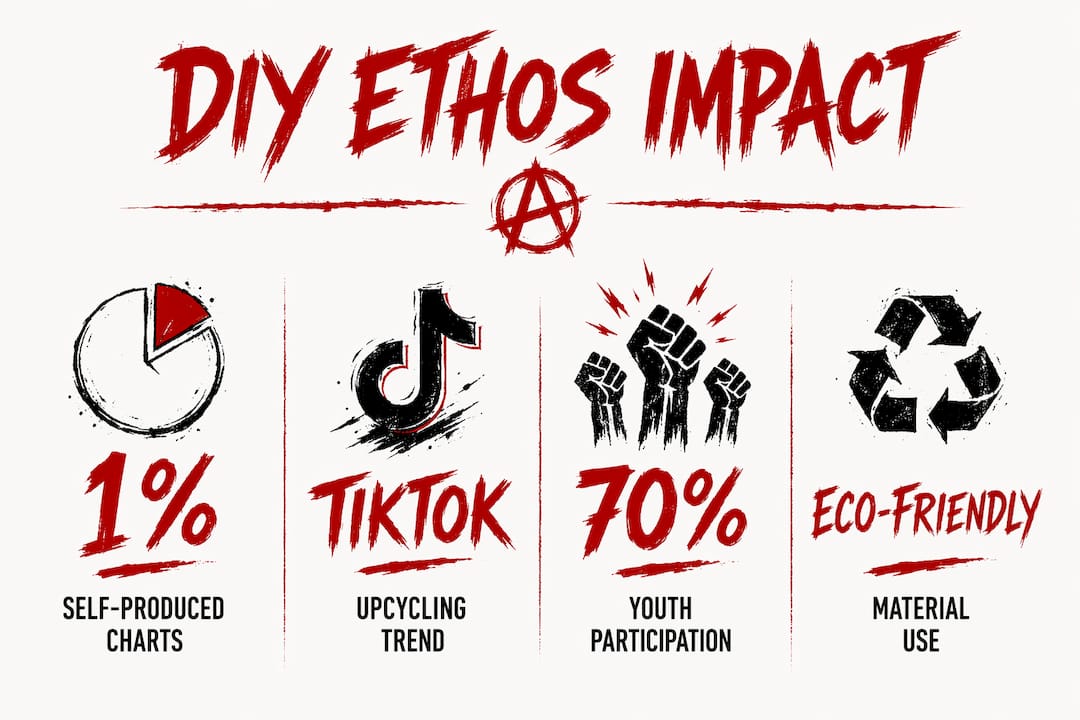
The commercial reality, however, is stark. Only about 1% of music in the top 200 weekly charts is self-produced by DIY artists. That number shows that access to tools does not automatically translate to mainstream commercial reach. DIY music thrives in niche communities, not on pop radio.
| DIY music factor | Reality in 2026 |
|---|---|
| Chart presence | Roughly 1% of top 200 weekly chart tracks |
| Production tools | Widely available via home studio software |
| Distribution | Direct via Bandcamp, SoundCloud, and similar platforms |
| Commercial risk | Fully borne by the artist, not a label |
| Skill demand | High, despite digital accessibility |
Professional-quality production remains time-intensive and technically demanding even with affordable software. Learning mixing, mastering, and sound design takes years. That gap between access and expertise is where many DIY musicians stall.
Pro Tip: Start with one instrument and one recording tool. Master the basics before adding complexity. Breadth too early is the fastest way to produce nothing worth releasing.
Researchers also note that working alone in bedroom studios can lead to isolation and burnout among music makers. The freedom of DIY comes with a psychological cost that collaborative environments naturally offset. Knowing that cost exists is the first step to managing it.
How does the DIY ethos influence fashion trends and personal style today?
DIY culture in fashion is experiencing a genuine resurgence, and Gen Z is driving it. Gen Z uses TikTok to share upcycling techniques, thrift-flip tutorials, and hand-stitched customizations, fueling a movement built on sustainability and originality. The platform functions as a virtual workshop where skills spread faster than any fashion school curriculum.
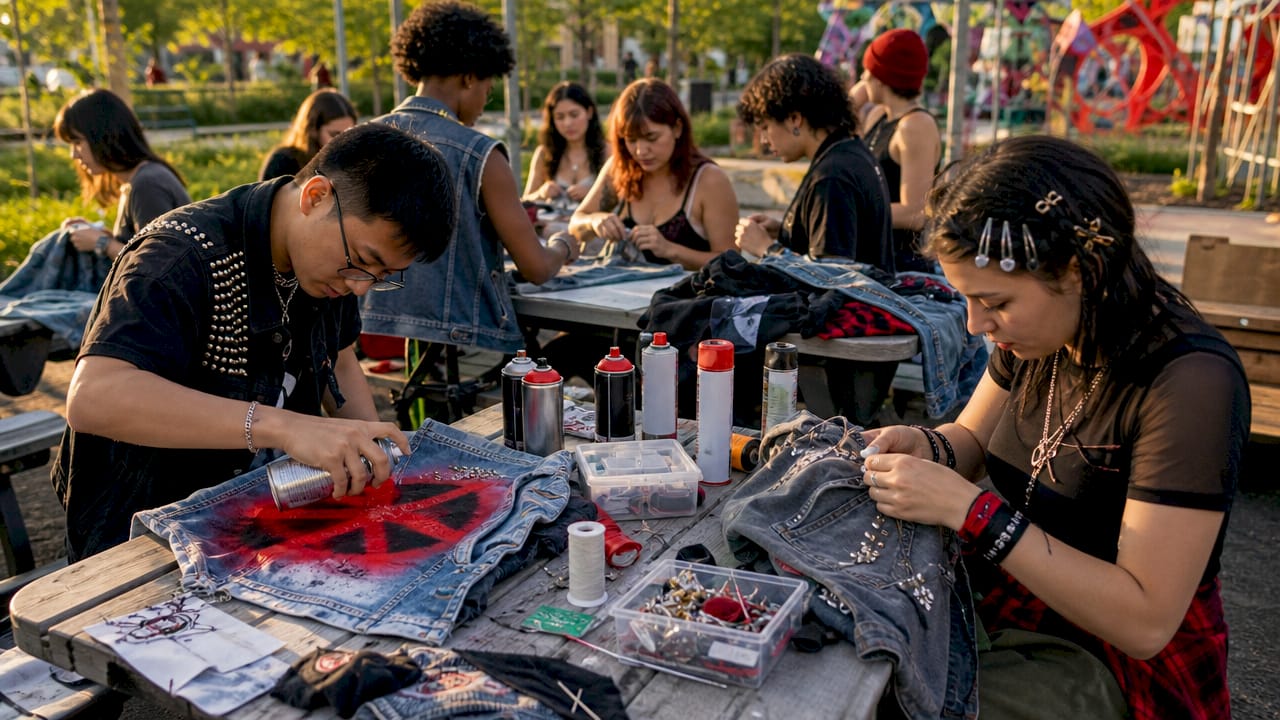
This is not nostalgia for punk. It is a direct response to fast fashion’s environmental damage and the cultural emptiness of mass-produced clothing. Handmade fashion moves beyond a niche hobby as people crave unique textures and patterns to express identity and build confidence. A bleached thrift-store jacket says something a $300 retail piece cannot: I made this choice, and I made it myself.
The ways DIY shapes fashion today include:
- Upcycling old garments into new pieces, reducing waste and creating one-of-a-kind items
- Embroidery and patchwork as personal storytelling stitched directly onto clothing
- Screen printing band graphics or original art onto plain tees and hoodies
- Distressing and dyeing to age or transform mass-produced basics into something personal
- Community sharing of techniques through online DIY fashion communities on TikTok, Reddit, and Discord
Pro Tip: Thrift stores are your raw material supply. Buy for fabric quality and fit, not for the original design. The original design is just your starting point.
The music subcultures that influence fashion and style have always operated this way. Punk, metal, hip-hop, and indie scenes each built visual identities from the ground up, outside retail systems. That tradition continues directly in today’s DIY fashion communities.
What are the challenges and paradoxes within the modern DIY ethos?
The DIY ethos promises freedom, but modern platforms have introduced a new set of constraints that undercut that promise. The challenges are real, and ignoring them leads to burnout and disillusionment.
-
Full creative burden. DIY creators handle production, marketing, distribution, and finance alone. In music, that means recording, mixing, mastering, social media, and booking. In fashion, it means designing, sourcing, making, photographing, and selling. No role gets outsourced.
-
Unpaid platform labor. DIY creators often undertake unpaid labor in marketing and promotion because platform algorithms reward constant visibility. The “pay-to-hustle” loop increases burnout compared to professional collaborative settings. Platforms profit from DIY labor while creators absorb the cost.
-
Financial exposure. The independent music economy has professionalized some roles, meaning fixed-fee producers, photographers, and publicists earn income regardless of an artist’s commercial success. The DIY artist carries all the financial risk while paying professionals who carry none.
-
Technical skill gap. Digital tools are accessible, but mastery is not. Producing competitive audio or constructing well-made garments requires years of practice. The gap between a home recording and a professional mix is still audible to most listeners.
-
Autonomy versus viability. The more a DIY creator chases commercial success, the more they risk compromising the independence that defines the ethos. That tension has no clean resolution. Every creator navigates it differently.
Understanding these paradoxes does not mean abandoning DIY. It means entering it with clear eyes and realistic expectations.
How can creatives apply the DIY ethos in their own music and fashion pursuits?
Applying the DIY ethos starts with a decision to prioritize creative control over commercial approval. That decision shapes every choice that follows. The importance of DIY in style and music is not about perfection. It is about ownership of the process.
Practical ways to start and sustain a DIY creative practice include:
- Start with what you have. One thrifted jacket, one free recording app, one idea. Constraints force creativity and prevent paralysis by preparation.
- Learn one skill at a time. Embroidery before screen printing. Basic mixing before mastering. Depth beats breadth at every stage of development.
- Use social media as a workshop, not a stage. Follow creators who share process, not just results. The tutorials are free. The community is real.
- Document your work. Photograph every piece you make. Record every demo you finish. A body of work builds identity and attracts collaborators.
- Collaborate locally. Find other DIY musicians and fashion makers in your city. Shared skills reduce individual burden and counter the isolation that solo work creates.
- Resist the pressure to monetize immediately. The punk-derived spirit of risk and boundary-pushing requires space to fail. Monetizing too early turns creative work into a job before you know what you are making.
The goal is not to produce a perfect album or a flawless collection. The goal is to build a creative practice that reflects who you are, outside the systems that profit from telling you who to be.
Key Takeaways
The DIY ethos defines authentic creative expression in music and fashion by prioritizing self-reliance, independence, and community over commercial approval and mass production.
| Point | Details |
|---|---|
| DIY ethos origin | Punk rock in the 1970s formalized self-production and anti-fashion as cultural resistance. |
| Commercial music reality | Only about 1% of top chart music is self-produced, showing DIY’s niche but powerful reach. |
| Gen Z fashion revival | TikTok-driven upcycling and customization make DIY fashion a sustainability movement, not just a style. |
| Platform paradox | Algorithms monetize DIY labor through unpaid visibility work, increasing burnout for solo creators. |
| Starting point | Begin with one skill, one tool, and one piece. Depth and community grow from there. |
Why the DIY ethos still matters more than people admit
Most cultural commentary treats DIY as a phase. A stepping stone before an artist “makes it” or a trend that Gen Z will eventually outgrow. I think that framing misses the point entirely.
The DIY ethos is not a production method. It is a relationship with creative authority. When you make something yourself, outside the approval of labels, retailers, or algorithms, you are practicing a form of cultural self-determination that commercial systems actively work against. That practice does not become less valuable when you get bigger. It becomes more important.
What I find genuinely encouraging is how technology and sustainability concerns are pulling DIY in the same direction. Home recording tools and upcycling practices both reduce dependence on expensive gatekeepers. They both produce work with a distinct fingerprint. And they both attract communities of people who recognize authenticity because they are practicing it themselves.
The challenge I see most often is creators abandoning the ethos the moment they feel commercial pressure. The algorithm wants consistency. The market wants product. Neither wants the messy, iterative, sometimes-failing process that produces genuinely original work. Protecting that process is the real discipline of DIY.
My honest view: the creatives who hold onto the DIY ethos longest are the ones whose work ages best. Not because they stayed underground, but because they stayed themselves.
— Johnathan
Anarxhy and the DIY spirit in streetwear
Anarxhy builds clothing for creatives who already live by the DIY ethos. Every piece in the Signal Lost collection is designed for people who reject uniform culture and want their clothes to carry the same independence their music and art do.
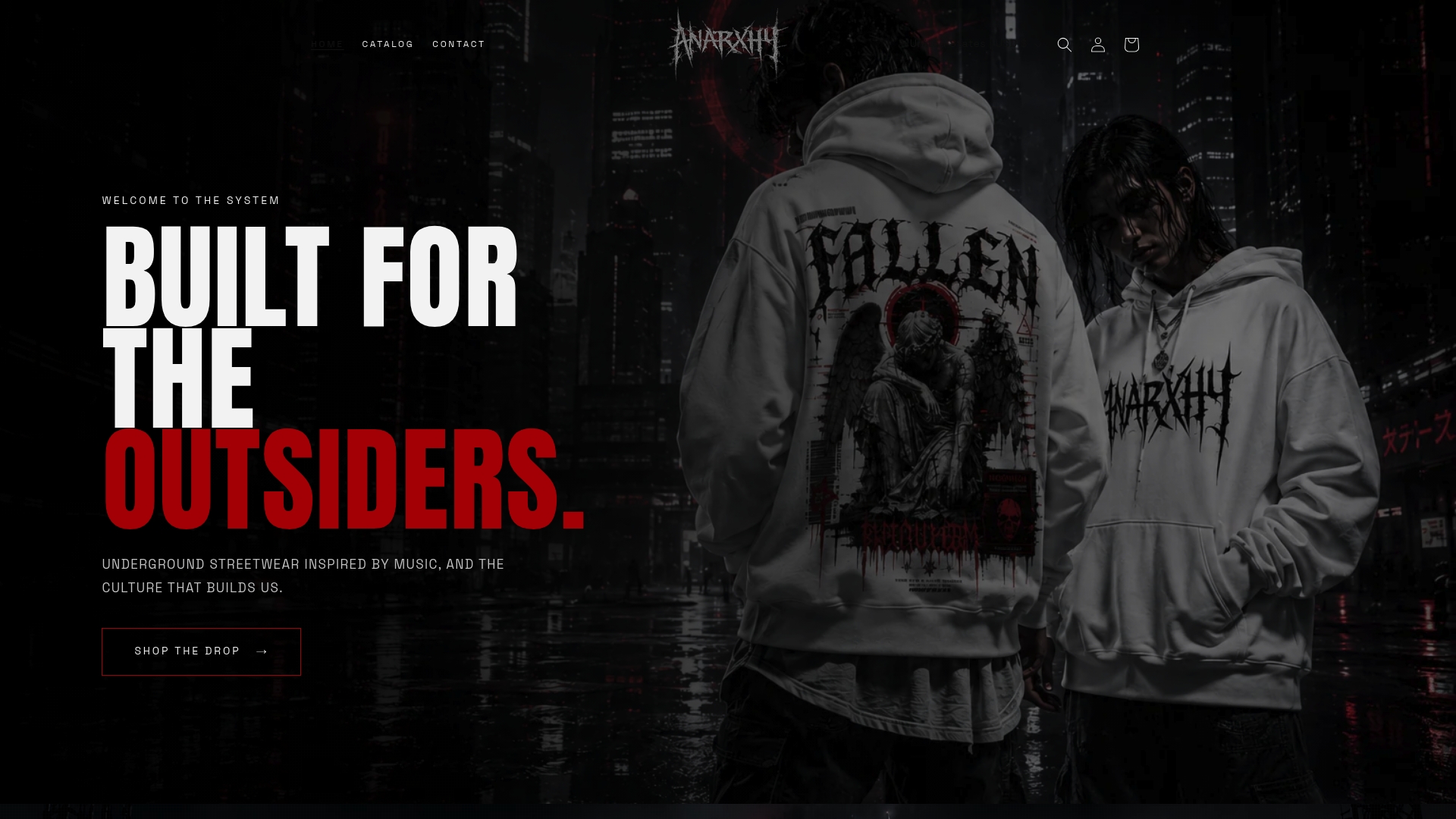
Anarxhy uses eco-friendly materials and limited drops to keep production intentional and outside the fast-fashion cycle. The DIGITAL DECAY hoodie is built from upcycled fabric with a dystopian aesthetic that speaks directly to the outsider identity. If you are building a creative practice that refuses to fit the mainstream mold, Anarxhy’s collections are made to match that refusal. Wear what you actually stand for.
FAQ
What is the DIY ethos in music and fashion?
The DIY ethos is the practice of creating music and clothing independently, outside commercial systems, prioritizing self-reliance and creative control over mass production and corporate approval. It originated in 1970s punk rock and continues to shape underground and alternative cultures today.
How does DIY culture in fashion differ from mainstream style?
DIY fashion prioritizes handmade, upcycled, and customized pieces that express individual identity, directly opposing the uniform output of fast fashion retail. The result is clothing that carries personal meaning rather than brand identity.
Why is DIY music production still niche despite digital tools?
Only about 1% of top chart music is self-produced, because professional-quality audio still demands significant technical skill and time investment even with accessible home studio software. Digital access lowered the barrier to entry but did not eliminate the skill gap.
How can I start applying the DIY ethos to my style?
Start by customizing one existing garment using embroidery, bleach, or patchwork, and follow online communities on TikTok or Reddit for technique tutorials. The key is beginning with what you already own rather than buying new materials.
What are the biggest challenges of the modern DIY ethos?
The main challenges are platform-driven unpaid labor, full financial exposure, and the technical skill demands of producing competitive work alone. Creators who understand these pressures before starting are better equipped to sustain their practice long-term.