

Fashion outsider identity is the deliberate use of clothing and style to reject mainstream norms and assert a self-defined sense of who you are. It goes by several names in academic and cultural circles, including “alternative fashion identity” and “subcultural self-expression,” but the core idea stays the same. You wear what the mainstream ignores, resists, or fears, and that choice becomes a statement. Less than 1% of executive roles in fashion are held by openly LGBTQIA+ leaders, and less than 6% of brand employees are people of color. Those numbers reveal exactly why outsider fashion exists: mainstream fashion has never fully represented everyone, so those left out built their own visual language. Understanding what fashion outsider identity means is the first step toward using it intentionally.
What is fashion outsider identity and how does it show up in style?
Alternative fashion is intentional opposition. It uses clothing to challenge cultural norms rather than conform to them. That intention separates outsider fashion from simply wearing unusual clothes. A person exploring outsider fashion perspective is making a conscious choice to signal disillusionment with mainstream consumerism and the social constructs it reinforces.
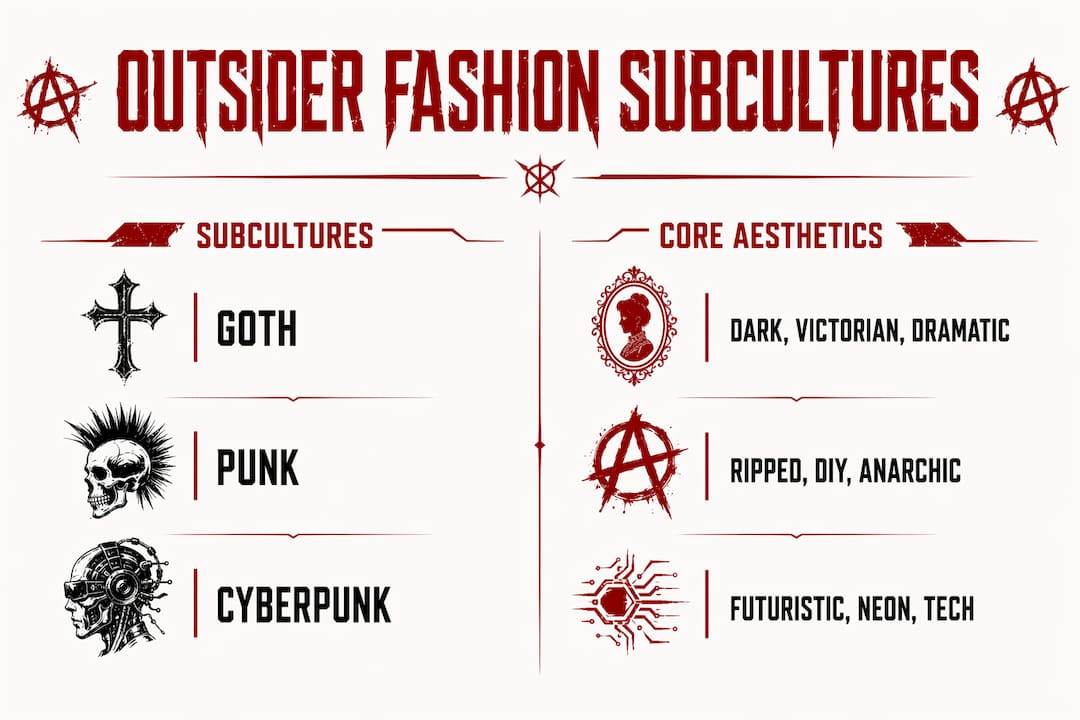
Outsider aesthetics appear across a wide range of subcultures, each with its own visual grammar. Goth style uses black fabrics, Victorian silhouettes, and occult symbols to signal a rejection of cheerful conformity. Punk fashion weaponizes safety pins, torn denim, and DIY patches to communicate distrust of authority. Nonbinary dress strategies often involve what researchers call “curating confusion,” deliberately mixing gendered garments to challenge cisnormativity and support self-realization. Each approach is different, but all three share the same root: clothing as a form of resistance.
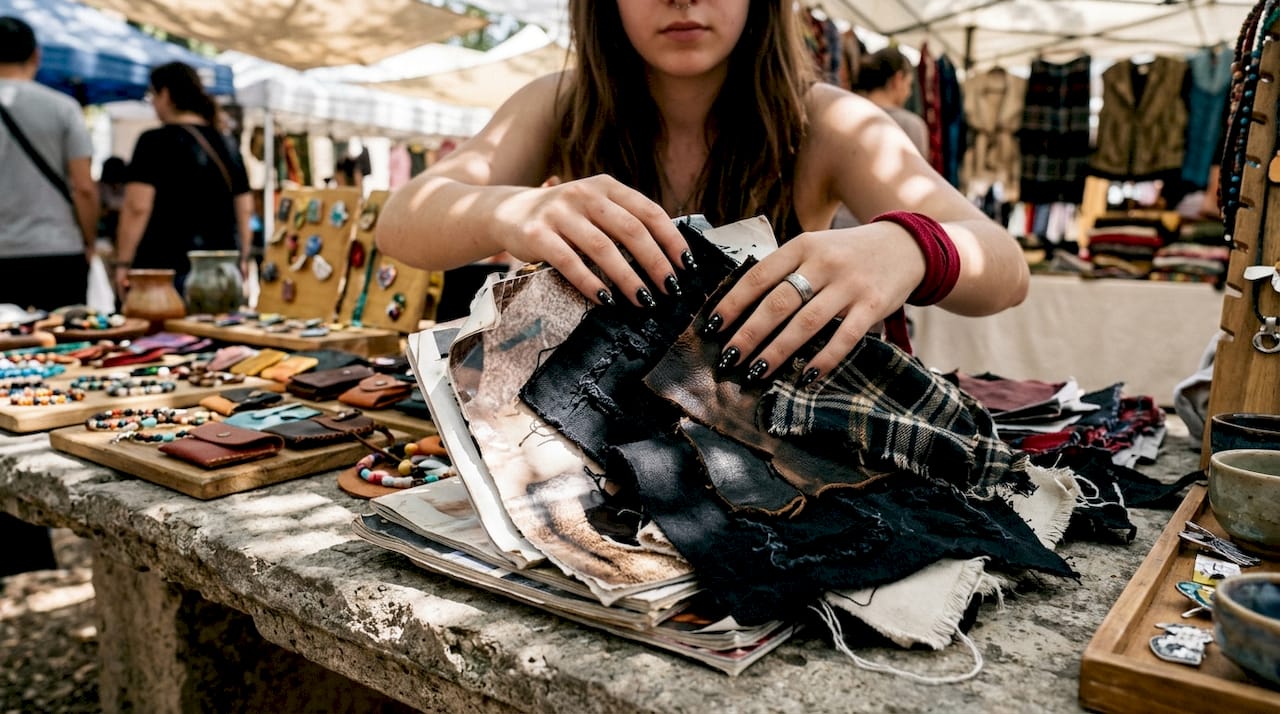
Music subcultures are the engine behind many outsider aesthetics. The relationship between [music and fashion](https://anarxhy.store/blogs/news/why music subcultures influence fashion and style) runs deep, with genres like industrial, metal, and post-punk each generating distinct visual codes that followers adopt as markers of belonging. Wearing a band shirt or a specific silhouette signals membership in a community that exists outside the cultural center.
| Subculture | Core aesthetic | Key symbols | Cultural roots |
|---|---|---|---|
| Goth | Dark, Victorian, dramatic | Black lace, crosses, velvet | Post-punk music scene, 1980s |
| Punk | Raw, DIY, confrontational | Safety pins, patches, torn fabric | Anti-establishment politics |
| Nonbinary | Fluid, genre-defying | Mixed silhouettes, androgynous cuts | Gender identity activism |
| Dystopian streetwear | Industrial, utilitarian | Oversized fits, muted tones, tech references | Sci-fi culture, urban alienation |
Pro Tip: Build your outsider look around one or two subculture codes rather than mixing all of them at once. Specificity reads as conviction. Mixing too many signals at once can dilute the message you are trying to send.
Why does outsider fashion identity matter for who you are?
Fashion functions as a semiotic resource, a system of signs that lets you negotiate the tension between who you are privately and what society expects publicly. That is not a small thing. Clothing can act as a passport, granting access to communities or signaling exclusion from others. For people whose identities sit outside the mainstream, that negotiating power becomes critical.
Nonbinary dress is relational to cisnormative narratives, meaning it gains its meaning precisely because mainstream dress codes exist. The same logic applies to any outsider aesthetic. The mainstream provides the wall; outsider fashion is the graffiti on it. Without the wall, the graffiti loses its context and some of its power.
The psychological benefits of fashion identity exploration are concrete and well-documented:
- Self-realization: Choosing clothes that reflect your actual values rather than social expectations accelerates the process of understanding who you are.
- Community belonging: Subcultural aesthetics create instant recognition between people who share values, reducing isolation.
- Psychological safety: Clothing as a strategic mask allows people to navigate social spaces while protecting vulnerable parts of their identity until they feel safe enough to reveal them fully.
- Advocacy: Wearing marginalized aesthetics publicly reclaims them from stigma and makes them visible in spaces where they are typically erased.
- Creative agency: Outsider fashion gives you authorship over your own image, which is a form of power that mainstream fashion often withholds.
Empowerment through fashion is not a metaphor. It is a practical outcome of making deliberate, values-driven choices about what you put on your body every day.
What challenges and paradoxes come with outsider fashion identity?
The central paradox of outsider fashion is this: the more powerful a subcultural aesthetic becomes, the more attractive it is to mainstream commerce. Goth originated as a safe space for outsiders and was later commodified by mainstream culture. The same pattern has repeated with punk, grunge, and most recently with the Y2K and dystopian streetwear aesthetics. When a fast-fashion retailer sells a mass-produced version of a subcultural look, it strips the original meaning from the garment and turns resistance into product.
Authentic otherness is vulnerable when subcultural fashion is commercialized. Maintaining authenticity requires active effort. That effort is not just about buying the right items. It is about understanding the history, values, and community behind the aesthetic you are adopting.
The good news is that subcultures retain power and purpose even when commodified, provided they are rooted in active self-expression rather than passive consumption. A goth who understands the music, literature, and philosophy behind the aesthetic is not diminished by a mall store selling black lace. The meaning lives in the practice, not just the product.
Pro Tip: When a look you love goes mainstream, go deeper rather than abandoning it. Research the subculture’s origins, connect with its community, and let your understanding of the history show in how you wear it. Depth is the one thing mass production cannot replicate.
How can you build a sustainable outsider fashion identity?
Sustainable outsider fashion is not a contradiction. It is actually the most consistent expression of outsider values. Rejecting fast fashion is itself an act of [fashion rebellion and defiance](https://anarxhy.store/blogs/news/how fashion communicates rebellion and defiance), and it aligns with the anti-consumerist roots of most subcultural aesthetics. Here is a practical path for building an outsider identity that holds up over time.
- Audit your current wardrobe. Identify which pieces genuinely reflect your values and which ones you bought under social pressure. Remove the latter or repurpose them.
- Study the subcultures that resonate with you. Read their history, listen to the music, understand the politics. Aesthetic without context is costume.
- Prioritize secondhand and upcycled pieces. [Upcycled streetwear](https://anarxhy.store/blogs/news/upcycled streetwear concept what it really means) reduces waste and produces one-of-a-kind garments that mass production cannot match.
- Invest in fewer, better pieces. Outsider fashion is not about volume. One garment that perfectly expresses your identity is worth more than ten that approximate it.
- Support brands that share your values. Eco-friendly materials, limited production runs, and transparent supply chains are markers of brands that take outsider ethics seriously, not just outsider aesthetics.
- Document and evolve your style. Identity exploration through fashion is non-linear by nature. Photograph your looks, note what feels authentic, and let your style develop without forcing it into a fixed category.
Outsider perspective offers a creative advantage precisely because it is less influenced by mainstream norms. Designers and individuals on the fringe develop fresh eyes that let them spot overlooked aesthetic trends before the mainstream catches up. Your outsider identity is not a liability. It is a competitive edge in creative self-expression.
Key Takeaways
Fashion outsider identity is the deliberate use of style to resist mainstream norms, build community, and develop a self-defined sense of identity rooted in authenticity and values.
| Point | Details |
|---|---|
| Core definition | Outsider fashion identity uses clothing as intentional opposition to mainstream cultural norms. |
| Psychological value | Fashion acts as a semiotic resource, helping people negotiate personal identity against social expectations. |
| Commodification risk | Subcultural aesthetics lose meaning when commercialized; depth of knowledge protects authenticity. |
| Sustainability alignment | Anti-consumerist outsider values make secondhand and upcycled fashion the most consistent choice. |
| Creative advantage | An outsider perspective produces fresh aesthetic vision that mainstream-trained eyes consistently miss. |
The outsider edge is real, and most people waste it
I have spent years watching people discover outsider fashion and then immediately try to make it palatable to the mainstream. They soften the silhouette, swap the statement piece for something “wearable,” and end up with a look that says nothing. That is the exact opposite of what outsider identity is for.
The [identity exploration process](https://anarxhy.store/blogs/news/the role of identity in fashion express who you are) is genuinely non-linear. You will wear things that feel wrong. You will overcorrect. You will go through a phase where you think more is more, and then realize that one precise, intentional piece does more work than an entire outfit assembled from trend reports. That process is not failure. It is how the identity actually forms.
What I find most underrated is the creative advantage that comes from being outside the center. Designers who develop their vision on the fringe consistently spot trends before insiders do, because they are not constrained by what is already selling. The same applies to personal style. When you stop dressing for approval, you start dressing with authority. That shift is visible to everyone around you, even if they cannot name what changed.
Authenticity in outsider fashion is not about purity or gatekeeping. It is about knowing why you wear what you wear. That “why” is the thing that survives commodification, trend cycles, and every other force that tries to flatten individual expression into a product category.
— Johnathan
Anarxhy and the outsider aesthetic done right
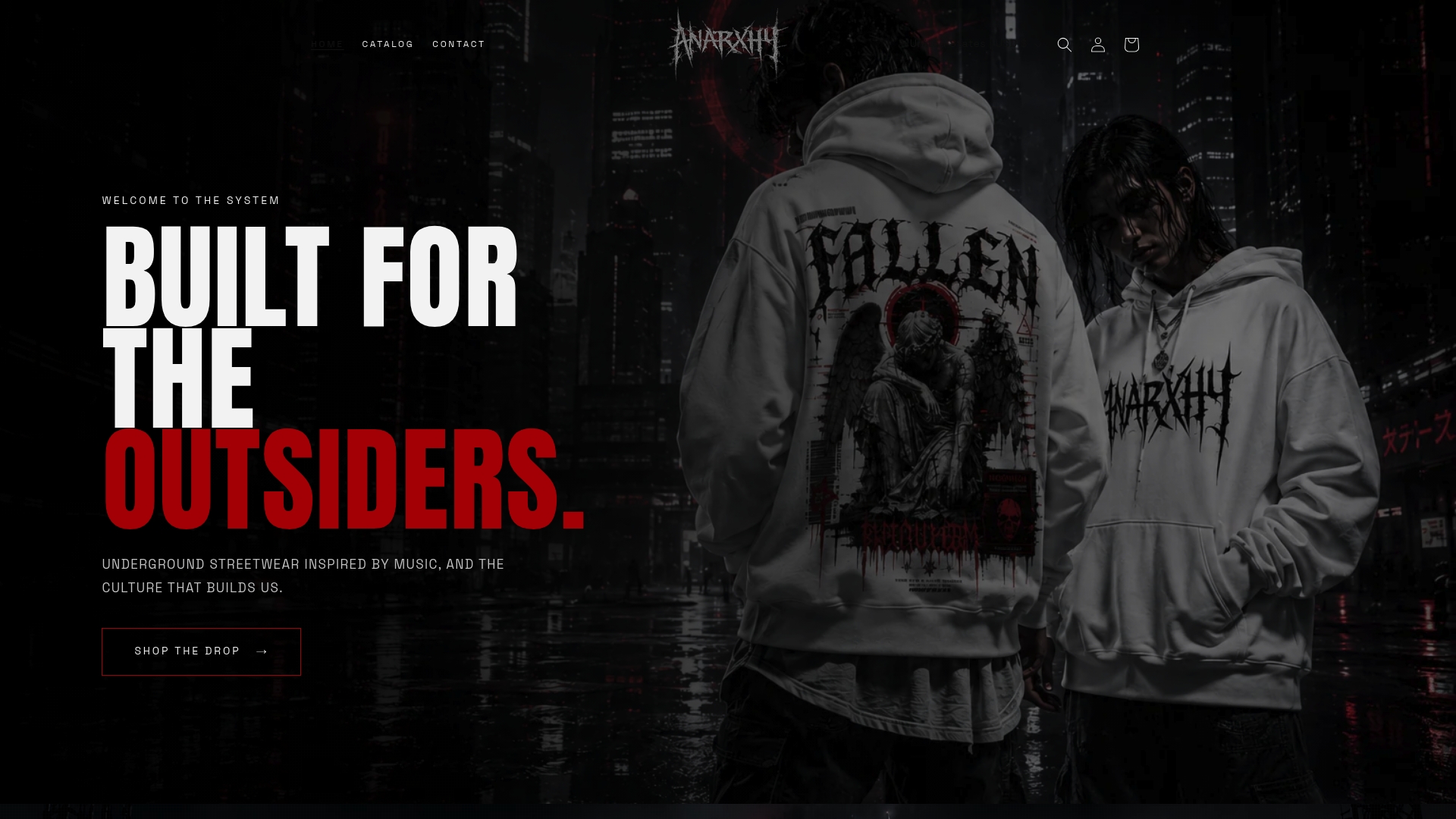
Anarxhy builds streetwear for people who already know what fashion outsider identity means and want clothing that matches that conviction. The brand uses eco-friendly materials and limited production runs, which means every piece carries actual scarcity rather than manufactured urgency. The “Signal Lost” series leans into dystopian aesthetics with oversized fits and industrial references that speak directly to the subcultural codes covered in this article.
The DIGITAL DECAY hoodie and the FALLEN//001 hoodie are both unisex cuts designed to function as statement pieces rather than background noise. If you are building a sustainable outsider wardrobe, starting with one well-made, values-aligned piece is exactly the right move.
FAQ
What is fashion outsider identity in simple terms?
Fashion outsider identity is the practice of using clothing to express nonconformity and resist mainstream cultural expectations. It is deliberate, values-driven, and rooted in subcultural aesthetics rather than trend cycles.
How does outsider fashion differ from alternative fashion?
Alternative fashion is the broader category; outsider fashion identity is the personal and psychological dimension of it. Alternative fashion describes the style. Outsider identity describes the relationship between that style and the person wearing it.
Can outsider fashion identity be sustainable?
Outsider fashion identity aligns naturally with sustainability because both reject mainstream consumerism. Secondhand shopping, upcycling, and supporting limited-run brands are all consistent with outsider values.
Why do subcultures lose their edge when they go mainstream?
Commodification strips the original meaning from subcultural aesthetics by separating the look from the values and community behind it. The aesthetic survives, but the resistance it once signaled gets diluted.
Is outsider fashion identity only for young people?
Outsider fashion identity is not age-specific. It is a practice of self-definition through clothing that applies at any stage of life, particularly for anyone whose identity sits outside what mainstream fashion has historically represented.