

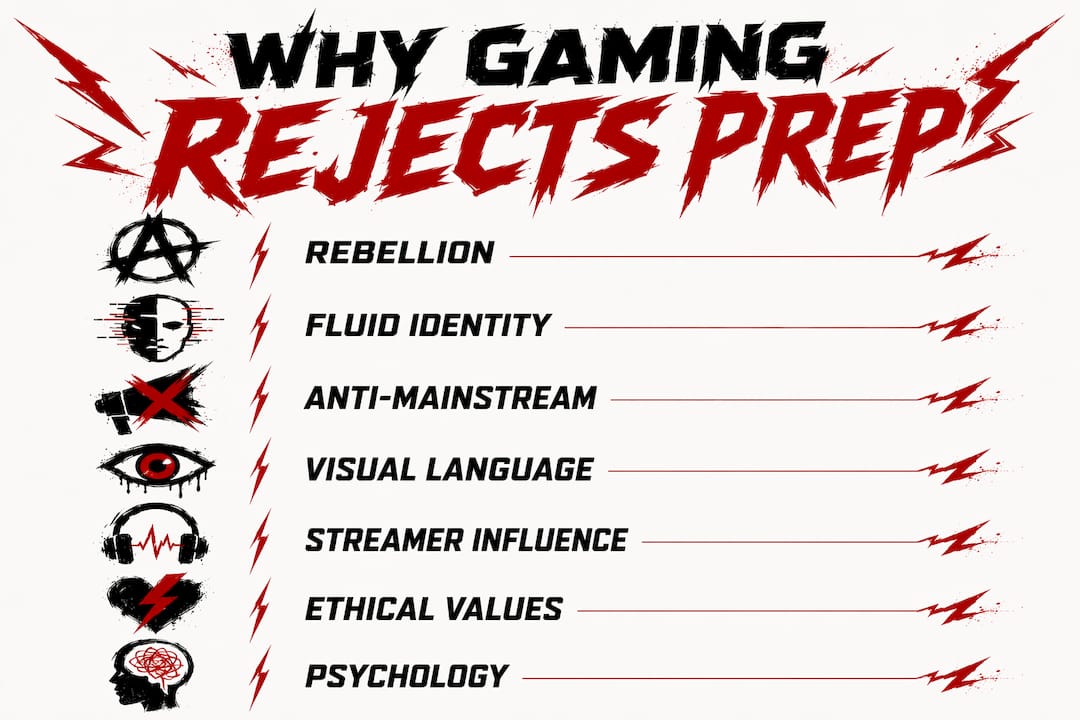
Gaming subculture rejects prep fashion because the two represent fundamentally opposite cultural identities, not just different clothing preferences. Prep style signals inherited social class, collegiate heritage, and mainstream conformity. Gaming culture signals something else entirely: outsider status, digital-native identity, and deliberate distance from the institutions prep fashion was built to celebrate. This isn’t a passive aesthetic mismatch. It’s a conscious boundary.
The core reasons why gaming subculture rejects prep fashion come down to these fault lines:
- Cultural identity clash: Gaming culture is rooted in anti-authority, DIY rebellion; prep is rooted in heritage and social class performance.
- Stylistic incompatibility: Gamers favor techwear, oversized silhouettes, and cyberpunk aesthetics; prep favors tailored cuts and natural fabrics.
- Symbolic language: Gamer fashion communicates insider community status through limited drops and niche motifs; prep communicates socioeconomic standing.
- Escapism vs. tradition: Gaming fashion embraces fantasy and alternative realities; prep is anchored to historical norms.
- Authenticity standards: In gaming culture, wearing prep reads as lacking subcultural capital, the insider credibility that gamer communities actively police.
1. Why gaming subculture rejects prep fashion at its cultural roots
Gaming subculture built its identity on anti-mainstream rebellion and grassroots DIY ethics, which puts it in direct opposition to prep fashion’s historical ties to middle-class heritage and corporate social signaling. Prep clothing, from the Oxford button-down to the cable-knit sweater, evolved as a visual shorthand for institutional belonging: the right school, the right family, the right tax bracket. Gamers, by contrast, built community around shared exclusion from those exact institutions.
Academic research on gaming communities frames this as an oppositional identity. Hardcore gamers have historically adopted an antagonistic stance toward mainstream culture, similar to how subcultural music scenes reject commercial trends. Negative media stereotypes of gamers, rather than dissolving the subculture, actually reinforced a sense of exclusive belonging among its members. Prep fashion, as a symbol of the mainstream, became something to reject by default.
Gaming’s digital-native identity also emphasizes fluidity and self-determination in ways prep’s rigid codes cannot accommodate. Where prep fashion gatekeeps through heritage, gaming culture gatekeeps through insider knowledge, and those are very different currencies.
2. How gaming aesthetics diverge from prep style visually
The stylistic gap between gaming fashion and prep is not subtle. Gaming fashion pulls from cyberpunk, sci-fi, fantasy armor, and techwear traditions, favoring oversized silhouettes, technical fabrics, cargo pockets, and neon accents. Prep fashion pulls from collegiate America: chinos, blazers, loafers, and pastel polo shirts. These two visual languages don’t share a single design principle.
Video game aesthetics have pushed gaming fashion toward futuristic and otherworldly looks, driven partly by avatar customization culture. When you spend hours designing a character in a game, you develop strong opinions about silhouette, color, and symbolism that have nothing to do with what looks appropriate at a country club. That sensibility bleeds into real-world clothing choices.
Key stylistic contrasts that define the divide:
- Fabric: Techwear uses moisture-wicking synthetics and ripstop nylon; prep relies on cotton, wool, and linen.
- Fit: Gaming fashion favors oversized and relaxed cuts; prep favors tailored and structured fits. The oversized streetwear trend dominant in gaming communities directly contradicts prep’s silhouette logic.
- Inspiration: Gaming draws from dystopian fiction, fantasy worlds, and digital avatars; prep draws from Ivy League campuses and sailing culture.
- Function: Gamers prioritize comfort and utility for long sessions; prep prioritizes appearance over practicality.
- Rules: Minimalist wardrobe frameworks like the 3-3-3 rule are largely absent from gaming fashion, which favors expressive layering over capsule restraint.
Prep’s historical class signals feel dissonant to gamers who prefer fantasy, sci-fi, and self-determined futures. When fashion’s spring 2026 runways leaned hard into video game escapism, designers were responding to exactly this cultural appetite.
3. How gamer fashion works as a subcultural language
Gamer fashion functions as a visual dialect. The clothes you wear in gaming communities communicate specific things: which games you play, how long you’ve been in the scene, whether you’re a casual or a core member. Prep fashion communicates none of that. It speaks a completely different language, one about social class and institutional affiliation, and gaming communities have no use for that vocabulary.
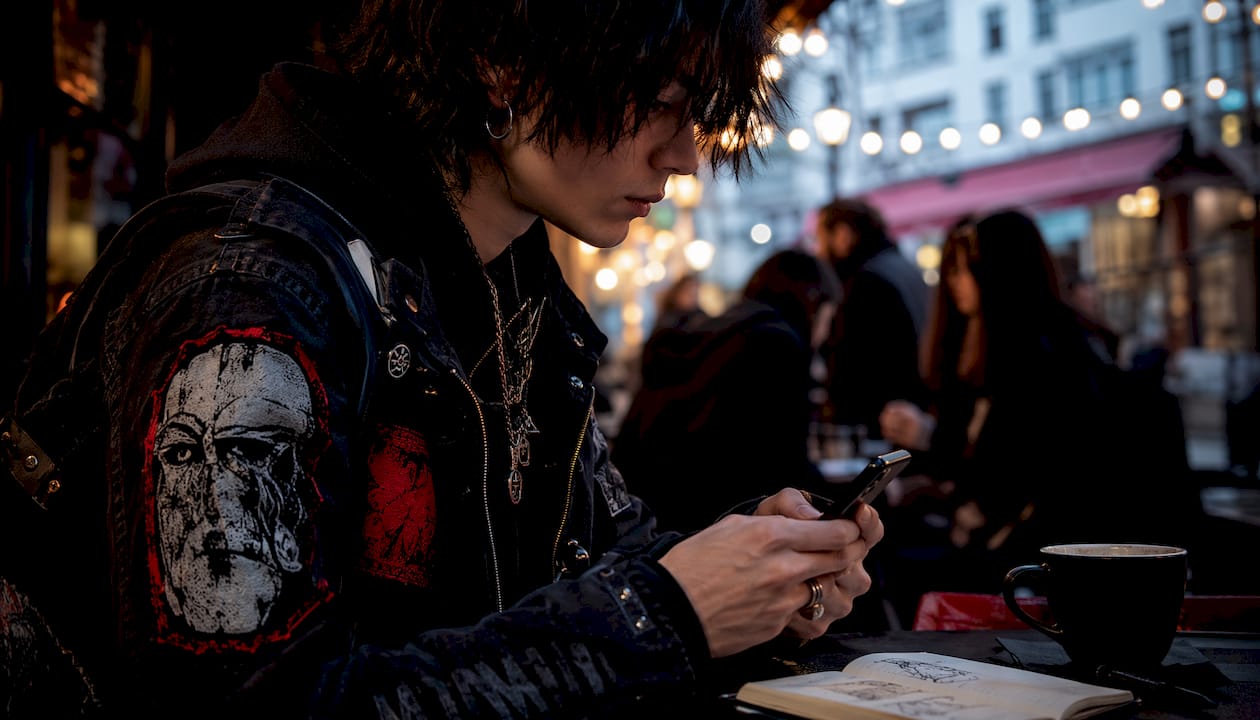
Clothing in gaming subculture operates as active identity signaling, where limited drops, rare merch, and region-specific pieces create markers of longevity and credibility. An esports jersey from a specific team, a hoodie from a limited drop, a patched cargo jacket with niche motifs: these items communicate insider status in ways a prep blazer never could. The symbolism in gamer clothing runs deep, from enamel pins and sewn patches to specific colorways that nod to beloved franchises without obvious branding.
Key symbolic markers that separate gaming signifiers from prep codes:
- Esports jerseys and team kits signal competitive allegiance and community loyalty.
- Limited-drop hoodies signal insider access and cultural timing.
- Patches and pins function as a wearable biography of gaming history and fandom.
- Cyberpunk-influenced outerwear signals alignment with dystopian, anti-authority aesthetics.
- Prep staples (polo shirts, chinos, boat shoes) signal none of the above and carry no subcultural capital in gaming spaces.
The “authenticity tax” in gaming culture is real: wearing prep reads as mainstream, and mainstream reads as inauthentic. That’s a social cost most gamers won’t pay.
4. Top streamers and gaming fashion’s anti-prep evolution
Gaming fashion’s evolution from novelty hoodies and convention merch to a curated, culturally fluent aesthetic is one of the more underreported style stories of the past decade. Top streamers now treat their visual identity as seriously as any fashion editor, and the look they’ve landed on is distinctly anti-prep, mixing high-tech streetwear with genre cues to express digital-native identities.
The shift matters because streamers function as taste-makers for millions of viewers. When a streamer with millions of followers sits front row at a fashion show or launches a clothing collaboration, they’re not wearing a blazer and chinos. They’re wearing something that signals their world, not the world prep fashion was designed for. That influence shapes what gaming communities consider credible style.
Pro Tip: If you want to build a gaming-adjacent wardrobe that reads as authentic to the community, start with streetwear fundamentals and layer in genre-specific colorways or niche accessories rather than buying obvious branded merch.
Collectible fashion also plays a central role here. Limited drops create the same anticipation as game releases, and owning a piece from the right drop carries real social weight in gaming communities. Prep fashion, with its seasonal collections and wide retail availability, offers none of that scarcity-driven community ritual.
5. How Anarxhy embodies the gaming subculture’s anti-prep ethos
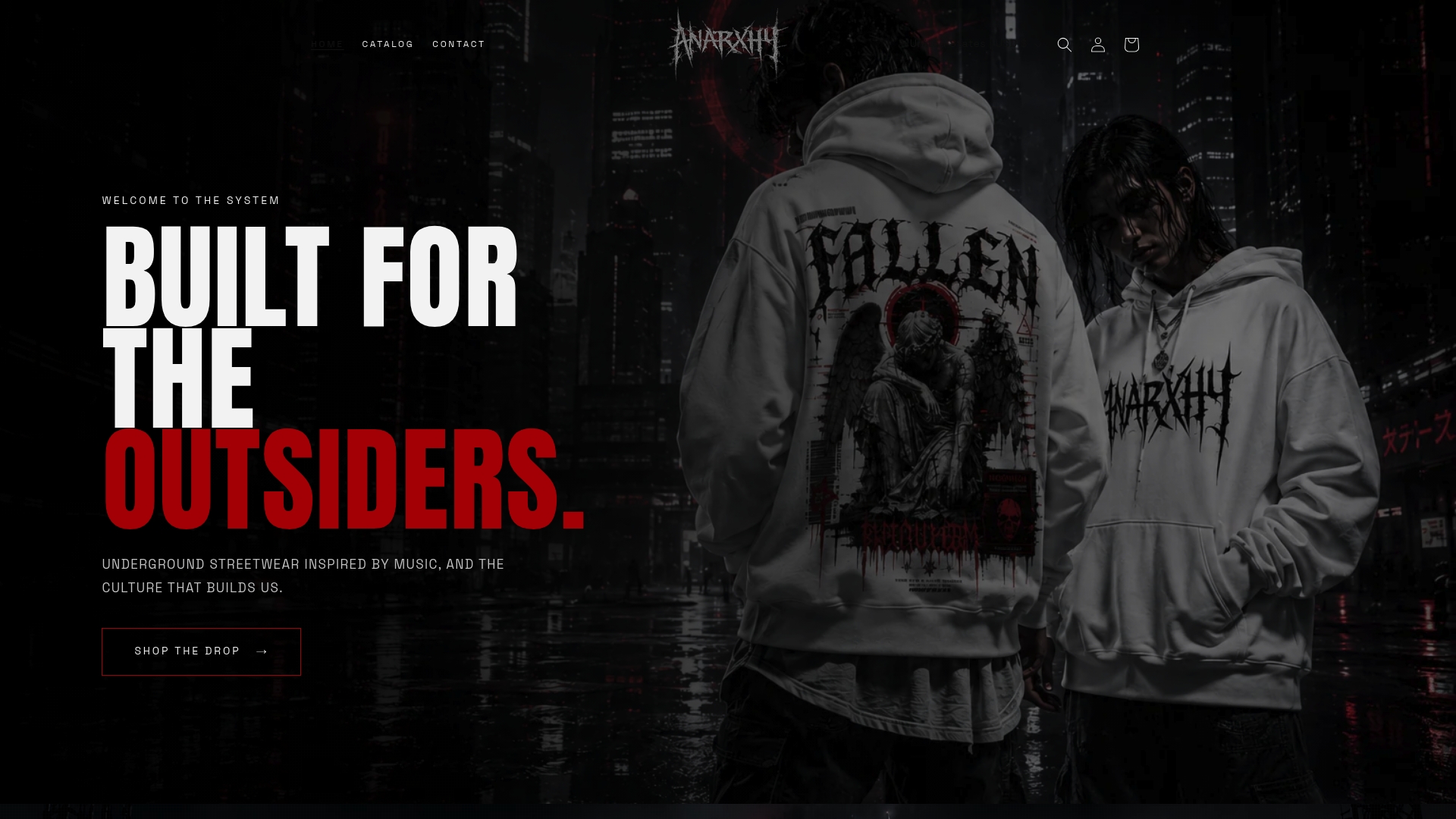
Anarxhy builds its entire design philosophy around the values gaming culture actually holds: rebellion, outsider identity, dystopian aesthetics, and community formed around shared rejection of the mainstream. The brand’s “Signal Lost” series pulls directly from the visual language of gaming, with distressed typography, near-black backgrounds, and deep crimson accents that evoke the same raw intensity as a cyberpunk game environment. That’s not coincidence. It’s a deliberate alignment with gaming community values.
What separates Anarxhy from generic streetwear is the combination of ethical production and subcultural specificity. The brand uses eco-friendly materials, which resonates with gaming culture’s growing ethical consciousness, while keeping drops limited to preserve the insider exclusivity that gaming communities value. You can’t just walk into any store and buy it. That scarcity is part of the point.
Anarxhy’s manifesto promotes anti-mainstream identity through symbolic details and community-building, the same mechanisms gaming subculture uses to enforce its own cultural boundaries. The brand merges punk attitude, music, and alternative realities into apparel that speaks directly to gamers who want clothing that reflects their world, not the world prep fashion was designed to signal membership in. The DIGITAL DECAY hoodie and SYSTEM ERROR hoodie are direct expressions of that ethos, built for people who find prep fashion not just aesthetically wrong but culturally alien.
6. How mainstream media shaped gaming’s rejection of prep style
Mainstream media spent decades portraying gamers as socially awkward outsiders, and that portrayal had an unintended consequence: it hardened gaming culture’s identity as a rebel subculture. When the media frames your community as deviant, you either assimilate or double down. Gaming culture doubled down. The negative stereotypes reinforced a sense of exclusive belonging among hardcore gamers, making the rejection of mainstream symbols, including prep fashion, a form of cultural self-defense.
Media coverage also created a feedback loop. As gaming communities were labeled as outsiders, they adopted outsider aesthetics more deliberately, pulling from punk, cyberpunk, and dystopian visual traditions that directly opposed the clean, collegiate look of prep. The futuristic apparel trends now dominant in gaming fashion are partly a product of that long-running media framing.
Short-form platforms and algorithmic feeds have accelerated this dynamic in recent years. A streamer’s outfit can generate knockoffs and community debates within days, pushing gaming fashion trends faster than any traditional fashion cycle. Prep style, slow-moving and institution-bound, simply can’t compete with that velocity.
7. The psychology behind why gamers choose alternative fashion
Gaming culture attracts people who find conventional social hierarchies either inaccessible or unappealing, and fashion is one of the clearest ways that preference gets expressed. Prep fashion is a visual declaration of belonging to a specific social order. Gamers, many of whom built their identities around alternative worlds and self-determined communities, have little interest in signaling loyalty to that order.
The escapism dimension is significant. In uncertain times, gamers embrace alternative realities and fantasy through fashion, which contrasts sharply with prep’s rootedness in past social classes and conventions. Valerie Steele, director and chief curator of the Museum at FIT, has noted that fashion historically leans into escapist fantasy during periods of difficulty, and gaming culture has been doing exactly that for decades, long before it became a runway trend.
There’s also a social belonging mechanism at work. Gaming communities form tight in-groups around shared knowledge, insider vocabulary, and specific aesthetic codes. Wearing prep into that space signals that you don’t know the code, and in a subculture where knowing the code is the price of admission, that’s a meaningful social signal. The gaming community style that has emerged isn’t random. It’s a carefully maintained cultural boundary.
Key Takeaways
Gaming subculture rejects prep fashion because prep’s class-based, heritage-driven codes directly contradict gaming culture’s anti-mainstream identity, insider symbolism, and preference for escapist, tech-influenced aesthetics.
| Point | Details |
|---|---|
| Cultural identity clash | Gaming culture’s DIY, anti-authority roots make prep’s class signaling feel alien and unwelcome. |
| Stylistic incompatibility | Techwear, oversized fits, and cyberpunk aesthetics share no design logic with prep’s tailored, collegiate look. |
| Subcultural capital | Limited drops, esports jerseys, and niche motifs confer insider status that prep clothing cannot provide. |
| Media reinforcement | Decades of outsider media portrayal hardened gaming culture’s rejection of mainstream fashion symbols like prep. |
| Escapism over tradition | Gaming fashion embraces fantasy and alternative realities; prep anchors itself to historical social hierarchies gamers actively reject. |