

Avoiding mainstream fashion trends is defined as the deliberate rejection of corporate-driven seasonal cycles in favor of personal expression, subcultural identity, and sustainable consumption. This is not simply a style preference. It is a psychological and cultural stance that separates your identity from mass-market homogenization. The benefits of rejecting mainstream fashion trends include reduced spending, stronger self-confidence, and a wardrobe that actually reflects who you are. Trends have fragmented into dozens of micro-trends that cycle in weeks, making the mainstream harder to define and easier to walk away from. This guide gives you the tools, mindset shifts, and practical steps to build a wardrobe that is yours alone.
Why do people avoid mainstream fashion trends?
The core motivation is psychological liberation. Ignoring trends transforms shopping from a stressful race into a mindful act that builds a resilient connection to your visual identity. That shift matters because trend-chasing is designed to keep you anxious and spending, not satisfied.
“Anti-fashion serves as a cultural and economic resistance, empowering individuals to reclaim identity from globalization’s homogenizing power. Rejecting mainstream fashion is not a retreat from culture. It is an assertion of it.” — Deccan Chronicle
Anti-fashion movements shift power away from Eurocentric trend definitions toward local and individual identity. This is not nostalgia. It is a structural critique of who decides what is “in” and who profits from that decision. When you dress outside the mainstream, you withdraw from that economy of validation.
The psychological case is especially strong for younger people. Alternative fashion gives Gen Z a form of symbolic autonomy, a way to define themselves without brand validation, which measurably reduces psychological stress. Researchers describe it as a “safe containment” for complex emotional expression. That framing is worth sitting with. Your clothes can hold meaning that a trend-driven outfit simply cannot.
Subcultures like goth, punk, workwear, and avant-garde streetwear each offer coherent identity frameworks. They give you a visual language with history, values, and community behind it. Wearing authentic styles aligned with those frameworks also improves confidence and, through what psychologists call enclothed cognition, can sharpen cognitive performance. The clothes you wear affect how you think and act. Choosing them deliberately amplifies that effect.
What mindset shifts and environment changes help you steer clear of trends?
The single most effective first step is cutting off the input. Unsubscribing from over 100 brand emails and unfollowing trend-driven social media accounts produces a noticeable drop in impulse purchases and stress within six months. That is not a small change. It rewires your daily decision environment.
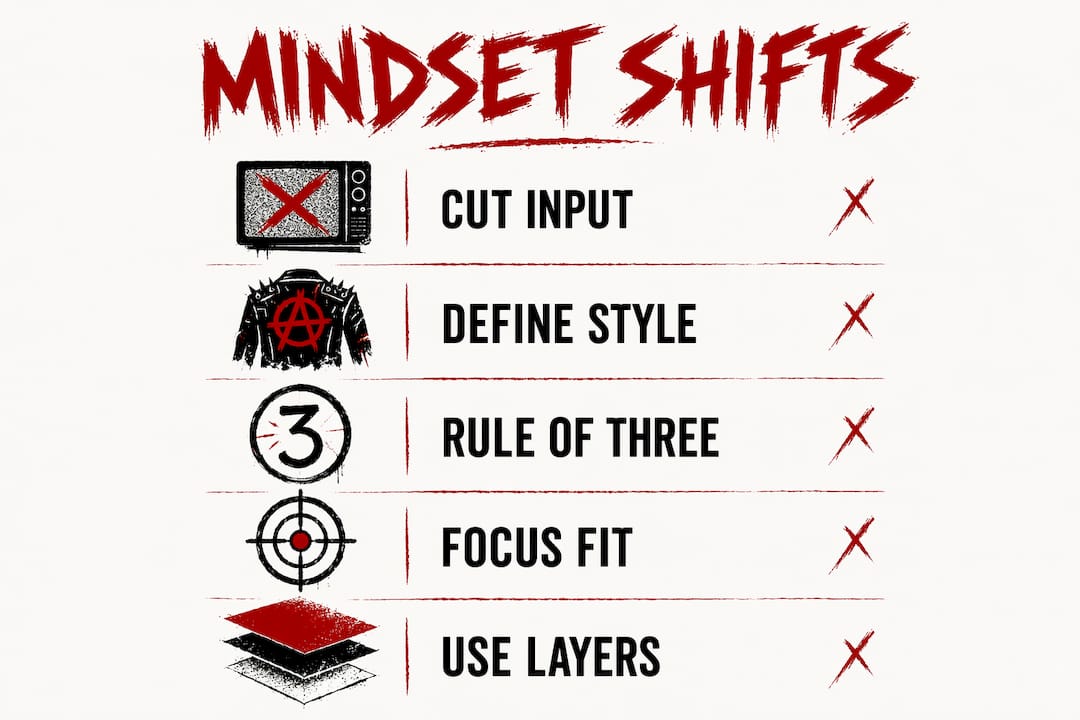
Retail algorithms are built to exploit trend-following insecurities. Curating your digital environment is the prerequisite to confidently building a non-mainstream wardrobe. You cannot think clearly about what you actually want when you are being fed a constant stream of what you are supposed to want.
Once the noise is reduced, shift your inspiration sources:
- Follow photographers, archivists, and historians who document specific eras or subcultures rather than current season looks.
- Build a reference folder of images from decades like the 1970s, 1990s, or early 2000s that resonate with your aesthetic instincts.
- Visit thrift stores and vintage markets without a shopping list. Observe what you are drawn to before you buy anything.
- Read about the cultural context of the subcultures you admire. Understanding punk’s roots or workwear’s labor history deepens your connection to the aesthetic.
- Replace fast-fashion influencer accounts with artists, musicians, and independent designers whose work reflects genuine identity.
The mindset shift underneath all of this is moving from consumption as status to consumption as storytelling. You are not buying clothes to signal that you are current. You are selecting pieces that tell a specific, personal story.
Pro Tip: Before buying any new piece, ask yourself which three items already in your wardrobe it works with. If you cannot name three, put it back.
How to build a unique wardrobe without following trends
Building a non-traditional wardrobe works best when you start with a defined direction. Picking one subculture or aesthetic era as your anchor prevents the chaotic mix that reads as costume rather than character. You do not need to wear the aesthetic head to toe. You need to understand its logic well enough to interpret it through your own lens.
Start with a style direction
Identify two or three visual references that consistently appeal to you. These might be a specific decade, a music genre’s visual culture, or a craft tradition like Japanese workwear or Eastern European folk dress. Write them down. That list becomes your filter for every purchase decision going forward.
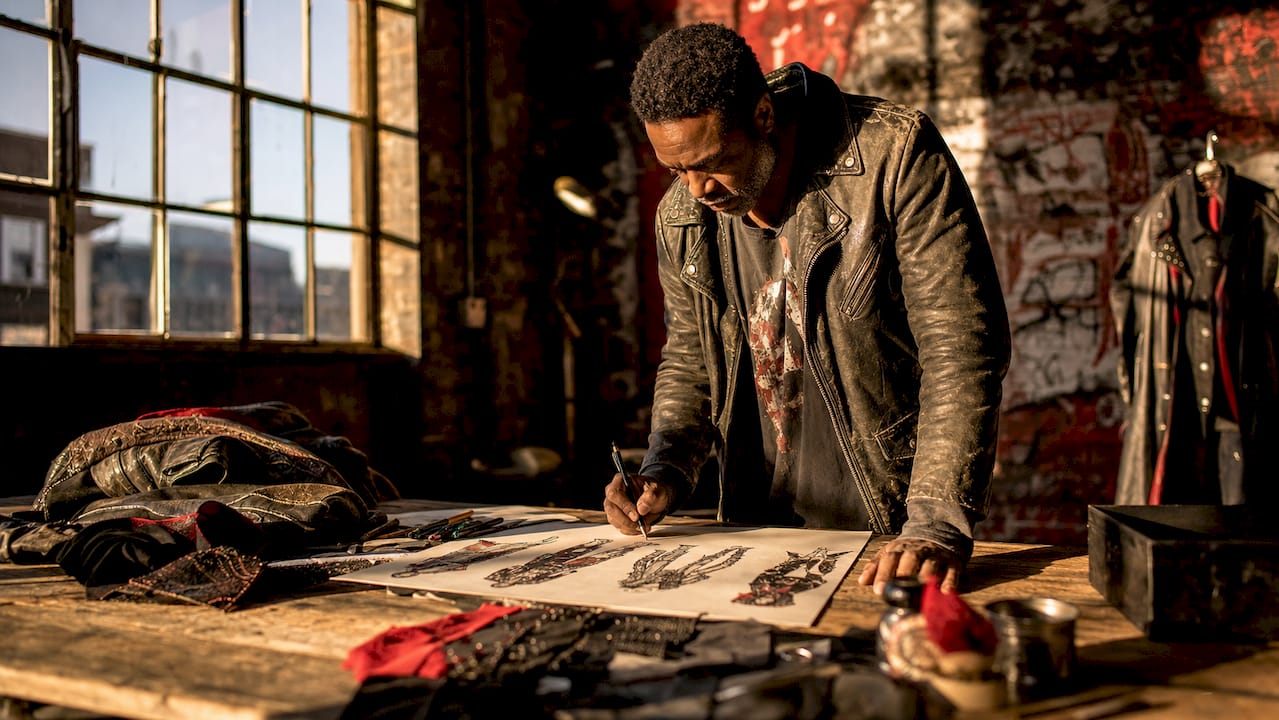
Apply the rule of three
Gradual wardrobe transitions using the rule of three prevent style whiplash and build versatile, cohesive outfits over time. The rule is simple: every new piece must work with at least three items you already own. Adding one or two pieces at a time, rather than overhauling everything at once, lets your style evolve without losing coherence.
Prioritize fit, customization, and durability
Fit is the single most powerful variable in whether an outfit looks intentional or accidental. A secondhand blazer tailored to your shoulders reads as deliberate. The same blazer worn as-is reads as thrift store luck. Invest in basic tailoring for key pieces. Beyond fit, customization techniques like dyeing, visible mending, and embroidery add uniqueness that no mass-market item can replicate.
High-quality or vintage garments can reduce total wardrobe spending by 40–60% over three years compared to frequent fast-fashion purchases. That figure reflects the real cost of cheap clothes: you replace them constantly. One well-made piece worn for a decade costs far less than ten disposable ones.
Use layering and accessories as signature tools
Layering creates visual complexity without requiring rare or expensive pieces. A structured coat over a graphic tee over a thermal creates depth that a single trendy item cannot. Accessories, particularly those with cultural or personal significance, function as punctuation marks in your visual language. A specific hat, a handmade ring, or a vintage belt can become the signature element people associate with your style.
| Wardrobe element | Non-mainstream approach |
|---|---|
| Base pieces | Neutral, high-quality basics in silhouettes you wear repeatedly |
| Statement pieces | Vintage, handmade, or limited-run items with personal meaning |
| Customization | Tailoring, dyeing, visible mending, or embroidery |
| Accessories | Culturally or personally significant items used consistently |
| Inspiration source | Historical eras, subcultures, and independent artists |
Pro Tip: Avant-garde designers like Iris van Herpen, whose Airo dress incorporated 15,000 hand-formed glass bubbles and microprocessors, prove that fashion as personal expression has no ceiling. You do not need that budget. You need that intention.
What mistakes should you avoid when adopting alternative fashion styles?
The most common mistake is swapping one form of trend-following for another. Buying an entirely new “alt” wardrobe from fast-fashion brands that sell gothic or Y2K aesthetics is still trend-chasing. The label changes; the behavior does not.
- Copying aesthetics without understanding their roots. Wearing a subculture’s visual codes without knowing their cultural context produces a costume, not an identity. Research before you dress.
- Mixing too many disparate subcultures at once. Punk, cottagecore, and techwear each have distinct visual logic. Combining all three simultaneously creates visual noise, not personal style. Pick a primary direction and let others inform it subtly.
- Prioritizing novelty over fit and silhouette. Successful alternative style focuses on uniform signature silhouettes and identity coherence rather than random aesthetic mixing. A consistent silhouette reads as intentional. A rotating cast of shapes reads as indecisive.
- Overhauling your wardrobe all at once. Sudden full replacements create financial strain and style regret. Gradual transitions let you test what actually fits your life before committing.
- Ignoring the role of identity in fashion. The goal is not to look different. It is to look like yourself. If a piece does not connect to your actual values, interests, or history, it will feel wrong to wear regardless of how “alt” it looks.
The anti-fashion movement is not a new trend to adopt. It is a framework for thinking about clothes differently. That distinction is the difference between authentic alternative style and a more expensive version of trend-following.
Key Takeaways
Rejecting mainstream fashion trends requires a clear style direction, a curated digital environment, and a commitment to gradual, identity-driven wardrobe building rather than aesthetic novelty.
| Point | Details |
|---|---|
| Cut the input first | Unsubscribe from brand emails and unfollow trend accounts before making any wardrobe changes. |
| Anchor to one aesthetic direction | Choose a subculture or era as your style foundation to avoid costume-like mixing. |
| Apply the rule of three | Every new piece must work with at least three items you already own. |
| Invest in fit and customization | Tailoring and visible mending create uniqueness that mass-market clothes cannot replicate. |
| Quality reduces long-term cost | High-quality or vintage pieces can cut wardrobe spending by 40–60% over three years. |
Fashion as storytelling, not status
I have spent years watching people trade one trend cycle for another while calling it personal style. The goth phase bought wholesale from a fast-fashion site. The “vintage” wardrobe assembled in a single weekend shopping spree. The techwear aesthetic adopted because an algorithm served it three times in a row. None of it sticks because none of it is actually personal.
What I have found works is slower and less photogenic. You start by identifying what you have always been drawn to, not what looked good on someone else’s feed. You build gradually, test pieces in real life, and let go of the ones that do not hold up. The wardrobe that results is smaller, more coherent, and far more satisfying to wear.
The psychological research backs this up. Decoupling your self-worth from consumption reduces stress. Wearing clothes that reflect your actual identity improves confidence. These are not abstract benefits. They show up in how you carry yourself and how you make decisions. Fashion that tells your story rather than signals your status is a fundamentally different relationship with clothing. It takes longer to build. It lasts longer too.
If you are serious about expressing identity through fashion, start with the question: what do I actually believe, and what does that look like? The clothes follow from the answer.
— Johnathan
Anarxhy: built for people who dress outside the mainstream
Anarxhy was created specifically for people who find mainstream fashion irrelevant. Every collection is built around the outsider ethos, incorporating music, rebellion, and dystopian aesthetics into pieces made from eco-friendly materials.
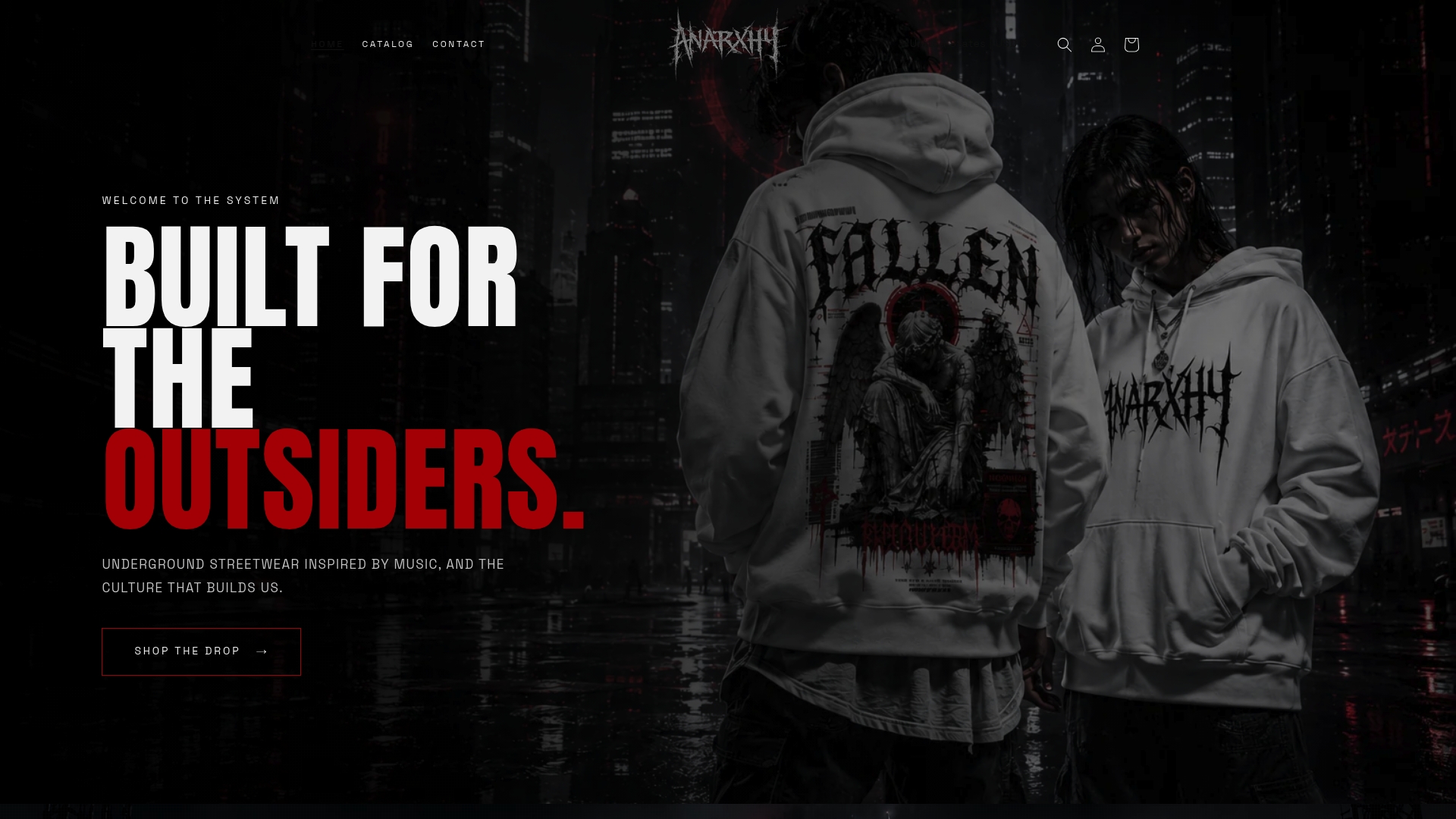
The Signal Lost collection delivers exactly the kind of signature, non-trend-driven pieces this article describes: limited drops, distinctive silhouettes, and designs that hold meaning beyond a single season. The FALLEN//001 hoodie is a strong starting point if you want one piece that anchors an alternative wardrobe without requiring a full overhaul. Check new arrivals for the latest drops, all designed to last and to stand apart.
FAQ
What does it mean to avoid mainstream fashion trends?
Avoiding mainstream fashion trends means choosing clothes based on personal identity, subcultural values, or sustainability rather than following corporate-driven seasonal cycles. It is an intentional practice, not simply ignoring what is popular.
How do I start dressing differently without looking like I’m wearing a costume?
Anchor your wardrobe to one aesthetic direction or subculture, research its cultural roots, and build gradually using the rule of three. Authentic alternative style prioritizes consistent silhouettes and identity coherence over novelty.
Does rejecting trends actually save money?
High-quality or vintage garments can reduce total wardrobe spending by 40–60% over three years compared to frequent fast-fashion purchases. Buying less, but better, is the financial logic behind non-mainstream dressing.
What are the psychological benefits of non-traditional fashion choices?
Decoupling from trend-driven consumption reduces stress and impulse buying. Research shows that wearing clothes aligned with your actual identity improves confidence and supports a more resilient sense of self.
Where do I find inspiration for alternative fashion styles?
Draw from historical eras, music subcultures, independent artists, and vintage archives rather than current season lookbooks. Resources like avant-garde streetwear guides and thrift markets are practical starting points for building a non-mainstream wardrobe.