

Underground clothing drops worth knowing are exclusive, limited-edition fashion releases that use scarcity and subcultural authenticity to create pieces mainstream retail cannot replicate. These are not seasonal collections announced months in advance. They are small-batch garments tied to niche music scenes, club culture, and countercultural identity, released with minimal warning and gone within hours. The brands behind them reject mass production on principle. For fashion-forward individuals who want clothing that means something, these drops are the only releases that matter.
What makes an underground clothing drop worth knowing
The defining feature of a valuable underground drop is controlled scarcity. Releases are typically limited to 50–100 pieces per style, with restocks offered only under rare conditions. That constraint is not a marketing trick. It is a structural commitment to rarity that keeps the piece meaningful long after the drop closes.
Cultural embedding is the second marker. The best drops do not borrow from subcultures. They grow out of them. Designs reference specific club nights, underground music genres, and micro-communities that most people outside those scenes will never recognize. That specificity is the point. A graphic that reads as noise to a casual observer signals belonging to someone inside the scene.
Sustainability functions as a creative force in underground fashion, not a branding checkbox. Franken-garment techniques, military surplus reuse, and vintage sportswear upcycling produce one-of-a-kind garments that cannot be factory replicated. Understanding what upcycled streetwear really means helps you evaluate whether a brand’s sustainability claim is genuine or cosmetic.
- Strict quantity limits: 50–100 pieces per style, no open restocks
- Subcultural design roots: graphics tied to specific music, club, or regional scenes
- Minimal pre-release information: one image or one video, no pricing details
- Sustainable construction: upcycled or surplus materials, not virgin fast-fashion fabric
- Community-first distribution: Discord, local shops, or event-only access before any online sale
Pro Tip: Before buying into a drop, check whether the brand has a consistent design language across past releases. Brands with genuine subcultural roots show it across every piece, not just the one they are currently selling.
Top 6 underground clothing drops worth knowing in 2026
1. Anarxhy “Signal Lost” series
Anarxhy’s Signal Lost collection is built around dystopian aesthetics and an outsider ethos rooted in music and rebellion. Each piece uses eco-friendly materials, and the brand releases in small batches with no advance pricing or detailed product descriptions. The community around Anarxhy forms around a shared rejection of conformity, not around hype cycles manufactured by an algorithm.
2. Anarxhy “Digital Decay” hoodie
The DIGITAL DECAY hoodie is a single-piece drop that exemplifies the underground model. Scarce distribution, no restock policy, and a design language that speaks directly to those who feel disconnected from mainstream culture. It sells out fast because the people who want it know exactly why they want it.
3. Location-locked ten-city tour drops
Some of the most coveted releases in 2026 require physical presence. Certain brands have turned drops into ten-city tours, restricting specific colorways or styles to individual cities. Collectors who only shop online miss these entirely. The location-lock rewards community loyalty and creates pieces that carry geographic meaning.
4. Single-video announcement drops
The most stripped-down release strategy in underground fashion is the single-video drop. One video, one line of copy, no price listed, no product details. The information gap drives organic speculation across Discord and Instagram comment threads. These drops routinely sell out inside 90 minutes. The restraint is the strategy.
5. Franken-garment upcycle drops
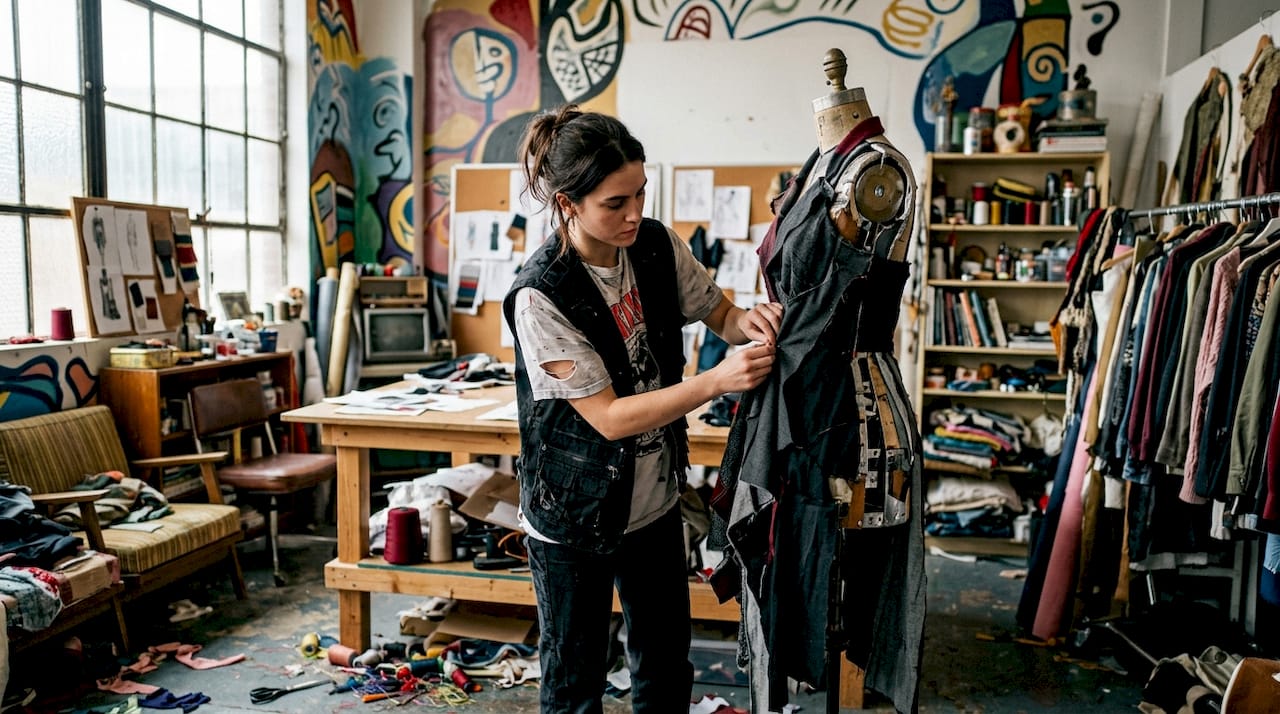
A growing category of underground releases involves garments that cannot be reproduced. Designers source vintage military jackets, deadstock sportswear, and surplus fabric, then reconstruct them into new forms. Sustainability here is a creative necessity, not a trend. Every piece is structurally unique, which makes secondary market prices climb fast.
6. Cadence-based surprise drops
Some underground brands reject the fashion calendar entirely. Surprise or cadence-based drops keep communities in a permanent state of low-level anticipation. There is no announced season, no lookbook, no runway. The release arrives when the brand decides it is ready. That unpredictability preserves exclusivity and keeps the community engaged between drops.
How underground brands create and maintain hype
The information-gap strategy is the most effective hype tool in underground fashion. Authentic drops rarely use press releases or paid advertising. A single image or short video with no price, no size run, and no release date forces the community to fill the silence with speculation. That organic conversation generates more desire than any ad campaign.
“The most powerful thing a brand can do before a drop is say almost nothing. The community does the rest. Speculation is free marketing, and it builds a kind of anticipation that paid promotion cannot manufacture.”
Community platforms amplify this effect. Discord and Instagram are where underground drop culture lives. Threads fill with screenshots, theories, and size predictions hours before a release. The brand does not need to participate. The community runs the hype cycle independently.
Location-locking adds a physical dimension to exclusivity. When a brand restricts a colorway to a single city’s shop, it rewards people who are genuinely embedded in that local scene. It also creates a secondary market premium for pieces that never appeared online. Understanding how underground brands operate helps you recognize which tactics signal authenticity versus which ones are borrowed aesthetics.
- Information-gap releases: minimal visuals, no pricing, no detailed descriptions before launch
- Community speculation: Discord threads and Instagram comments as organic hype engines
- Location-locked exclusives: city-specific pieces that reward physical presence
- Surprise drop cadence: no fixed calendar, releases timed by creative readiness not retail seasons
- No paid promotion: word-of-mouth through trusted community members only
Navigating underground fashion drops: tips for collectors
Online-only collectors miss a significant portion of the best underground releases. Location-locked items require physical presence at specific shops or events, and some of the most desirable pieces never appear on any website. Building relationships with local stockists in cities known for underground fashion scenes is not optional for serious collectors. It is the access point.
Quality evaluation matters more in underground fashion than in any other segment. Because these brands operate outside traditional retail structures, there is no standardized return policy or quality guarantee. Examine construction methods, material sourcing, and whether the brand discloses its production process. Brands that use upcycled or surplus materials and explain how should earn more trust than those that simply claim sustainability.
Pro Tip: Follow brand Discord servers and turn on Instagram notifications for accounts you track. Underground drops often announce with less than 24 hours’ notice, and community members who are already engaged get the earliest signals.
The secondary market for underground pieces moves fast. Scarcity preservation is real: brands that treat releases as collectible art and refuse to restock see secondary prices hold or climb. Brands that cave to demand and restock undercut the value of every piece already sold.
| Collector strategy | Why it matters |
|---|---|
| Join brand Discord servers | Early drop signals arrive here before any public announcement |
| Build local stockist relationships | Location-locked pieces never appear online; local access is the only access |
| Evaluate material sourcing | Genuine upcycled construction signals authenticity and long-term value |
| Track secondary market prices | Rising resale values confirm a brand’s scarcity discipline |
| Avoid brands that restock freely | Open restocks destroy the rarity that makes underground pieces worth holding |
Understanding how streetwear collections are curated in 2026 gives you a clearer picture of which drops are built to last and which are borrowing underground aesthetics without the underlying conviction.
Key Takeaways
Underground clothing drops worth knowing share three non-negotiable traits: strict scarcity controls, genuine subcultural roots, and community-first distribution that rewards engagement over casual browsing.
| Point | Details |
|---|---|
| Scarcity is structural | Drops limited to 50–100 pieces per style signal real rarity, not manufactured urgency. |
| Information gaps drive demand | One video and no pricing creates organic speculation that paid ads cannot replicate. |
| Location-locking rewards loyalty | City-specific exclusives require physical presence and build genuine community value. |
| Sustainability signals authenticity | Upcycled and surplus materials produce unrepeatable pieces with long-term collector appeal. |
| Secondary market tracks conviction | Brands that refuse to restock see resale prices hold, confirming their scarcity discipline. |
Why underground drops are the only fashion releases I still care about
I have watched the mainstream streetwear market absorb every subculture it could find and flatten it into a sellable aesthetic within two seasons. The modern underground scene resists that process because it is decentralized. There is no single tastemaker, no central platform, and no press cycle to co-opt. The scene lives in Discord servers, basement shows, and city-specific shops that most people will never find.
What I respect most about the brands doing this right is their refusal to scale. A brand that caps every release at 100 pieces and never restocks is making a financial sacrifice to preserve something real. That conviction is rare. Most brands talk about authenticity and then open a restock the moment the demand is there.
Sustainability in this space is not a marketing angle. It is a material reality. Designers who build from military surplus or deadstock fabric are working with constraints that force creativity. The garment you get from that process cannot be replicated on a production line. That unrepeatable quality is what separates a piece worth owning from one worth photographing.
The community dimension is what keeps me paying attention. Underground drops create shared experience among people who found the same obscure thing at the same moment. That shared discovery builds something that a mass-market brand with a million followers cannot manufacture. The underground streetwear brands that understand this treat every release as a signal to their community, not a transaction.
— Johnathan
Anarxhy’s limited drops for those who already know
Anarxhy builds every release around the principles this article covers: strict scarcity, subcultural authenticity, eco-friendly materials, and community-first distribution. The brand does not restock. It does not run paid campaigns. It releases when the work is ready.
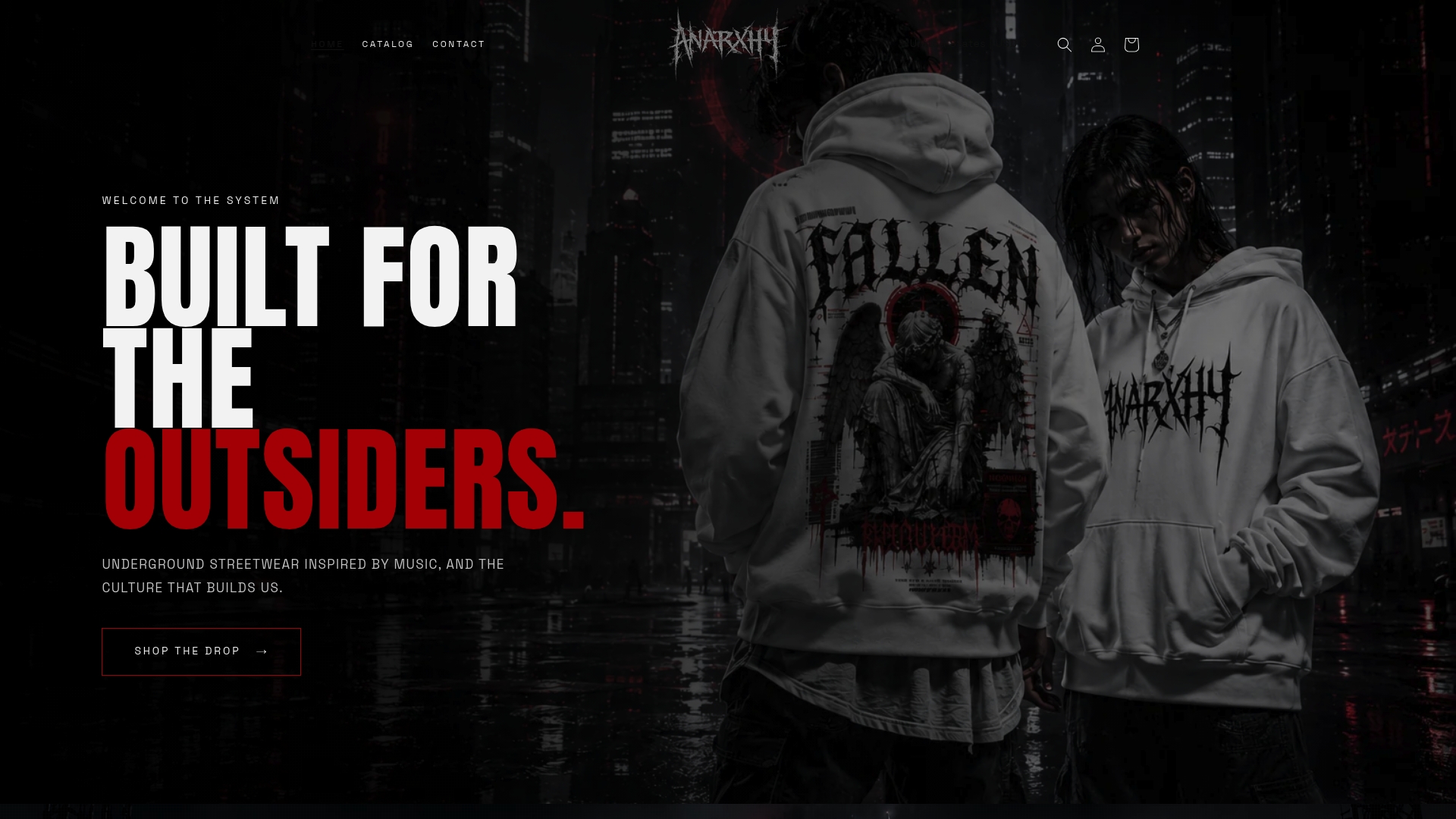
The DIGITAL DECAY hoodie and the FALLEN//001 are two pieces that embody the underground drop model at its most direct. Both are limited, both use sustainable materials, and both are gone once they are gone. If you want to stay ahead of what Anarxhy releases next, the new arrivals page is where drops appear first. No press release. No countdown timer. Just the drop.
FAQ
What are underground clothing drops?
Underground clothing drops are limited-edition fashion releases from independent or indie brands, distributed in small quantities through community channels rather than traditional retail. They typically sell out fast and are rarely restocked.
How do underground drops sell out so quickly?
Coveted drops sell out within 90 minutes because brands release minimal information in advance, which drives organic speculation and concentrated demand at the moment of release.
What is a location-locked drop?
A location-locked drop restricts specific pieces to a single physical shop or city, requiring collectors to travel or have local connections to access them. These items never appear in online stores.
How do I find upcoming streetwear drops before they sell out?
Join brand Discord servers and enable Instagram notifications for accounts you follow. Underground brands signal drops to their community first, often with less than 24 hours’ notice before release.
Why do underground brands use upcycled materials?
Sustainability in underground fashion functions as a creative constraint, not a trend. Upcycled and surplus materials produce garments that cannot be factory replicated, which reinforces the rarity that makes these pieces worth collecting.