

Tactical streetwear is defined as a fusion of military-inspired design, performance fabrics, and streetwear silhouettes built for urban life. The style pulls cargo pockets, reinforced seams, and earth-tone palettes from military gear, then pairs them with oversized fits and drop shoulders from street culture. Brands like 5.11 Tactical have turned this hybrid into a commercial force, while independent labels push it deeper into fashion territory. The result is clothing that works as hard as it looks, a concept that sits at the crossroads of function and identity for anyone who refuses to choose between the two.
What defines tactical streetwear: design elements and materials
Tactical streetwear combines military-inspired design, performance fabrics, and streetwear silhouettes into versatile urban apparel. The concept is not just about looking tough. Every design choice connects to a real function.
Core military-inspired features
The most recognizable elements come straight from military design. Cargo pockets with reinforced stitching give you accessible storage without sacrificing structure. Modular attachment points, gusseted crotches, and articulated knees allow full range of motion under load. Earth tones like olive, sand, and black dominate the palette because they read as neutral and deliberate, not loud.
Performance engineering under the surface
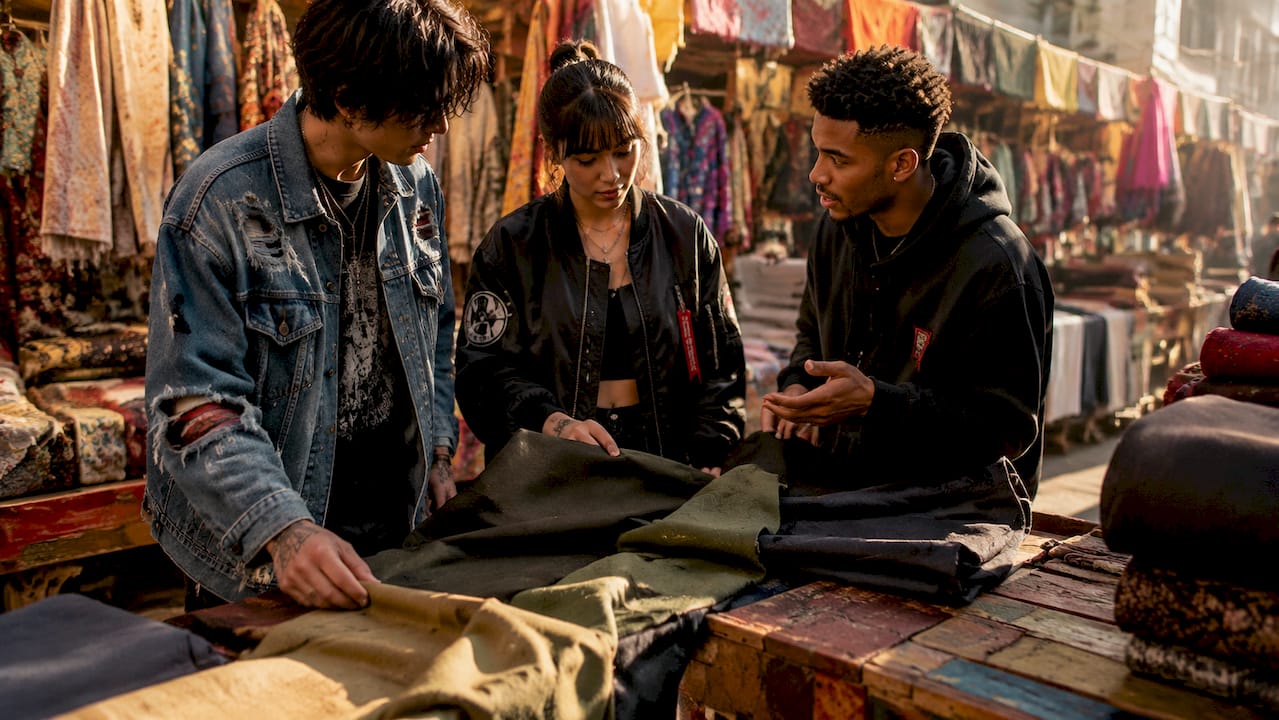
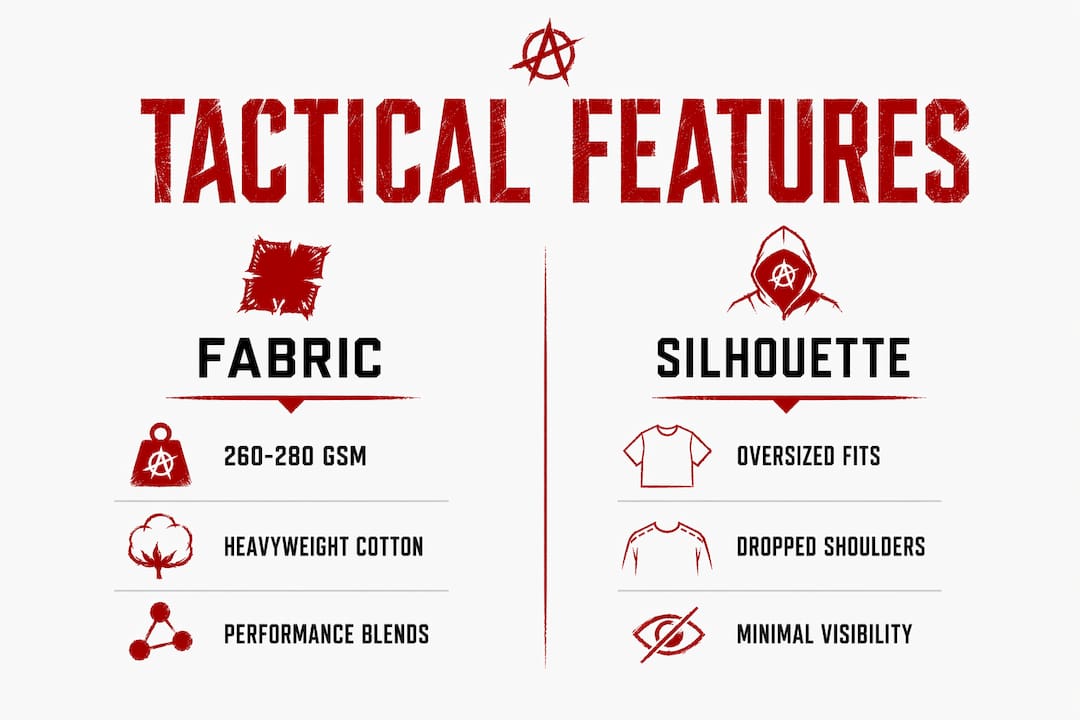
The fabrics are where tactical streetwear separates itself from regular streetwear. High-density cotton blends in the 260–280 GSM range deliver durability without the stiffness of traditional workwear. Four-way stretch panels and moisture-wicking construction keep the garment functional during physical activity. Reinforced stress points at the knees, elbows, and pocket openings extend the life of the piece well beyond what standard streetwear offers.
Streetwear silhouette influence
Tactical streetwear borrows its silhouette from classic streetwear. Oversized fits, dropped shoulders, and minimal visible branding keep the look grounded in street culture rather than military surplus. This balance is what separates the concept from army-navy store aesthetics. The clothing reads as fashion first, with the functional details revealed only on closer inspection.
Pro Tip: When shopping for tactical streetwear, check the GSM rating on the fabric. Anything below 200 GSM is likely prioritizing aesthetics over real durability.
| Style | Fabric Focus | Silhouette | Key Features |
|---|---|---|---|
| Tactical streetwear | 260–280 GSM cotton blends | Oversized, structured | Cargo pockets, reinforced seams, earth tones |
| Techwear | Waterproof shells, synthetics | Slim, modular | Magnetic closures, weather protection |
| Athleisure | Lightweight stretch knits | Form-fitting | Moisture-wicking, minimal hardware |
| Traditional outdoor gear | Ripstop nylon, fleece | Functional, boxy | Weather resistance, load-bearing |
How tactical streetwear fits into modern fashion trends
Tactical fashion has shifted from aggressive military surplus to a restrained, neutral palette approach that emphasizes structure and utility. That shift is the reason you now see tactical-inspired pieces in high-end designer collections alongside independent streetwear labels. The aesthetic stopped being about war and started being about organized durability as a design language.
Urban life drives this demand. City dwellers need clothing that moves with them across commutes, gyms, and social settings without requiring a wardrobe change. Tactical streetwear answers that need with pieces built for adaptability. A tactical hoodie with internal pockets and reinforced cuffs works at the gym, on the subway, and at a late-night show without looking out of place in any of those contexts.
The cultural pull goes deeper than convenience. Functional clothing has become a fashion statement that reflects urban demands, and wearing it signals a certain self-sufficiency. You are not dressing for a runway. You are dressing for a city that requires you to be ready for anything. That ethos resonates strongly with subcultures that value independence and reject performative fashion.
Key reasons tactical streetwear has grown in urban culture:
- Utility over decoration. Pockets, compartments, and reinforced construction serve real daily needs.
- Subcultural credibility. The style connects to military, outdoor, and underground music communities simultaneously.
- Neutral aesthetics. Earth tones and minimal branding work across social contexts without drawing unwanted attention.
- Durability as value. Buyers increasingly want clothing that lasts, not fast fashion that fades in three washes.
Brands exploring underground streetwear aesthetics have recognized this shift and built entire collections around it. The tactical influence is no longer a niche signal. It is a mainstream design language with subcultural roots still intact.
Tactical streetwear vs. techwear and traditional outdoor gear
Tactical streetwear contrasts with techwear by focusing on gym-ready performance rather than futuristic weather protection. The two styles look similar at a glance, but their priorities are completely different. Understanding that difference helps you buy the right piece for the right purpose.
How techwear differs
Techwear is built around weather protection and modular layering. Brands in that space prioritize waterproof shells, taped seams, and magnetic closures that seal out rain and wind. The silhouette tends toward slim and architectural, with a futuristic visual language. Techwear is designed for the person who needs to function in extreme weather without sacrificing a considered aesthetic. You can explore how avant-garde streetwear aesthetics like techwear compare across different style categories.
Where tactical streetwear draws the line
Tactical streetwear skips the waterproof shells and opts for heavyweight cotton blends that breathe and move. The priority is durability under physical stress, not weather sealing. Authentic tactical gear incorporates modularity and rapid accessibility, with organized compartments and reinforced stress points that improve wearer efficiency. That is a structural system designed for motion, not just aesthetics.
Traditional outdoor gear sits in a third category entirely. Brands like Arc’teryx or Patagonia build for wilderness conditions: load-bearing frames, insulation systems, and waterproofing rated for multi-day exposure. Tactical streetwear borrows the visual language of outdoor and military gear but strips away the extreme-environment engineering in favor of urban wearability.
Pro Tip: True tactical streetwear uses YKK zippers and ripstop reinforcement at stress points. If a piece skips those details, it is selling the look without the function.
| Feature | Tactical streetwear | Techwear | Outdoor gear |
|---|---|---|---|
| Primary fabric | 260–280 GSM cotton blend | Waterproof synthetic shell | Ripstop nylon, insulation |
| Weather protection | Minimal | High | Very high |
| Silhouette | Oversized, structured | Slim, modular | Functional, boxy |
| Use context | Urban, gym, daily wear | Urban, rain, commute | Wilderness, expedition |
Who wears tactical streetwear and why
5.11 Tactical reported $532.2 million in net sales in 2024. That number reflects a market with serious commercial weight, not a fringe trend. Consumer interest in tactical clothing has held steady since 2020, with geographic peaks in Hawaii, Alaska, and North Dakota showing that demand is not limited to major coastal cities.
The buyer profile splits into two clear groups. Professional users make up 60–70% of the tactical apparel market. That group includes law enforcement, military personnel, security professionals, and first responders who need gear that performs under real pressure. The remaining 30–40% are fashion consumers and enthusiasts who want the aesthetic and the durability without the professional context.
High-end tactical apparel starts at $1,550 for bespoke pieces featuring draw-assist pockets and cut-resistant liners. That price point signals that the market has moved well beyond workwear. Fashion consumers are willing to pay premium prices for garments that blend genuine performance with considered design.
The fashion consumer segment is growing fastest. Younger urban buyers treat tactical streetwear as an identity statement, not a uniform. They are drawn to the self-sufficiency signal, the durability, and the subcultural credibility that comes with wearing something built for real use. Futuristic apparel trends in adjacent subcultures like gaming and underground music have accelerated this crossover significantly.
How to wear tactical streetwear every day
Building a tactical streetwear wardrobe starts with three core pieces: a structured cargo pant, a heavyweight hoodie with internal pockets, and a utility jacket with modular features. Those three items cover most urban contexts and give you a foundation to build from. Everything else is layering and detail.
- Start with neutral bottoms. Olive or black cargo pants with reinforced knees anchor any tactical look. Pair them with a plain tee or a minimal hoodie to let the construction speak for itself.
- Layer with a utility jacket. A jacket with chest pockets and a clean silhouette adds function without turning the outfit into a costume. Keep the fit structured but not stiff.
- Keep footwear grounded. Chunky trail runners or clean work boots complement tactical silhouettes without competing with them. Avoid overly bright colorways that break the neutral palette.
- Apply the grayman principle. The grayman concept in tactical culture values blending in over broadcasting tactical features. Wear the function quietly. The best tactical streetwear looks like confident everyday clothing until someone looks closely.
- Prioritize fit over volume. Oversized does not mean shapeless. Tactical streetwear should have structure at the shoulders and a clean break at the hem. Shapeless pieces lose the military precision that defines the aesthetic.
Pro Tip: Avoid stacking too many tactical elements in one outfit. One statement piece, like a cargo pant or a utility jacket, reads as intentional. Three tactical pieces at once reads as costume.
Key Takeaways
Tactical streetwear succeeds because it solves a real problem: urban life demands clothing that is durable, adaptable, and visually considered all at once.
| Point | Details |
|---|---|
| Core definition | Tactical streetwear fuses military design, performance fabrics, and streetwear silhouettes into daily urban wear. |
| Fabric standard | Genuine pieces use 260–280 GSM cotton blends with reinforced stress points, not just military aesthetics. |
| Techwear distinction | Techwear prioritizes weather protection; tactical streetwear prioritizes gym-ready durability and structured mobility. |
| Market scale | 5.11 Tactical’s $532.2 million in 2024 sales confirms this is a major commercial category, not a niche trend. |
| Styling principle | The grayman ethos means wearing function quietly. One tactical statement piece outperforms a head-to-toe kit every time. |
Why tactical streetwear is more than a trend
I have watched a lot of fashion cycles come and go, and most of them collapse the moment the cultural moment that created them fades. Tactical streetwear feels different to me, and I think the reason is structural. The style is not built on a vibe. It is built on a problem that urban life actually has: you need clothing that does more than one thing, and most fashion refuses to deliver that.
What I find genuinely interesting is the tension between authenticity and aesthetics in this space. Many mainstream labels use tactical aesthetics to imply utility but lack the functional durability found in professional-grade gear. That gap is where the real conversation happens. A brand that puts cargo pockets on a 150 GSM cotton shell is selling a costume. A brand that builds to 260–280 GSM with YKK hardware and articulated cuts is selling a tool you wear.
The grayman ethos is the part of this culture most fashion coverage misses entirely. The original tactical philosophy is about not being seen, not about standing out. That creates a fascinating contradiction when fashion brands slap visible tactical branding on everything and call it authentic. The people who actually understand the culture wear it quietly.
Anarxhy gets this tension right. The brand builds from an outsider ethos that does not need to announce itself. That is exactly the energy tactical streetwear requires when it is done with integrity.
— Johnathan
Gear up with Anarxhy’s tactical-inspired streetwear
Anarxhy builds for people who want clothing that carries real weight, literally and culturally. The brand’s pieces combine performance construction with a design language rooted in rebellion and urban adaptability, not trend-chasing.
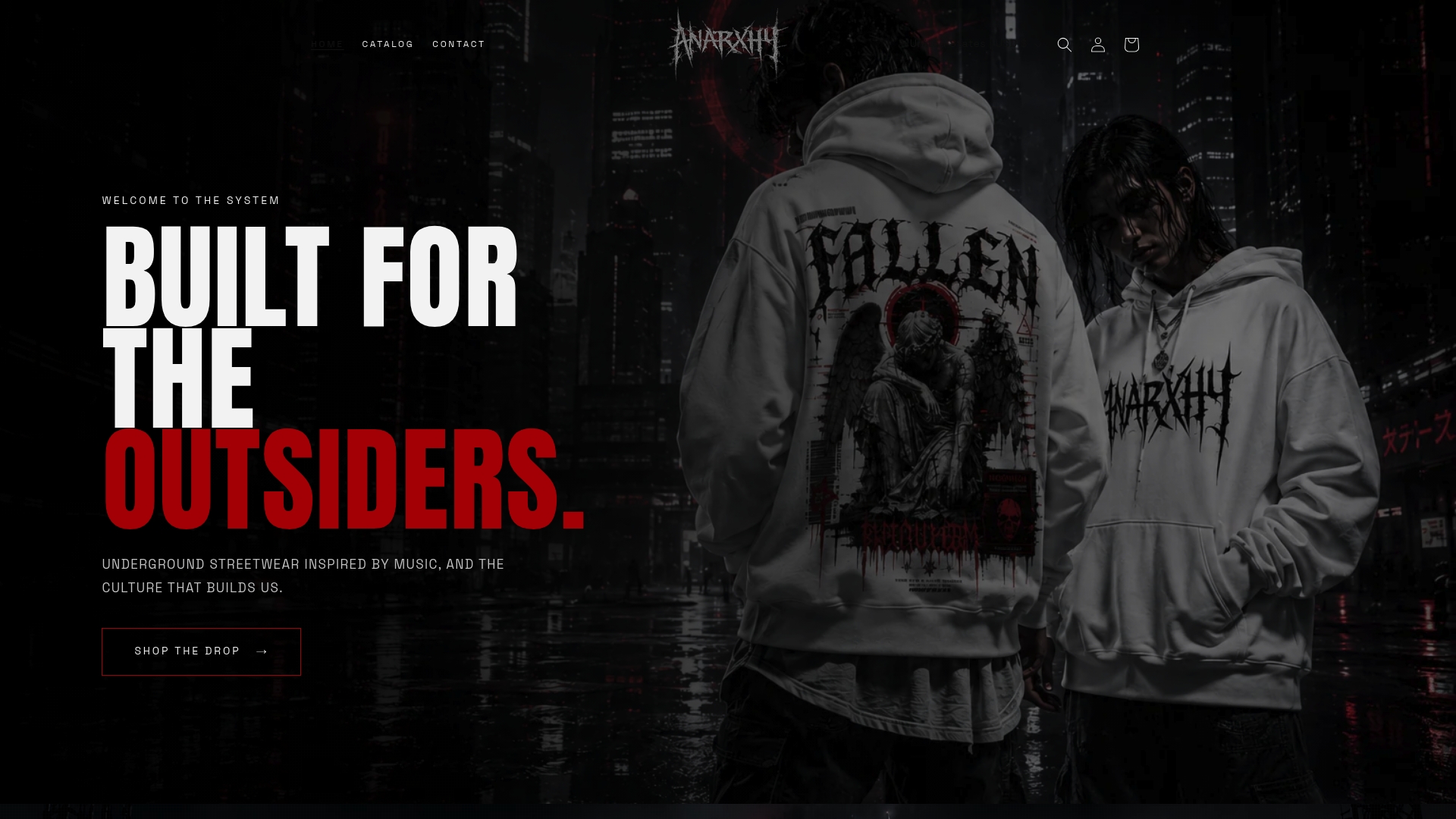
The FALLEN//001 hoodie is a direct expression of that philosophy: heavyweight construction, considered detailing, and a silhouette that works across every context your day throws at you. If you want to see what drops are coming next, the new arrivals collection is where Anarxhy puts its latest work. Limited drops mean these pieces do not wait around.
FAQ
What is tactical streetwear?
Tactical streetwear is a fashion style that combines military-inspired design elements, performance fabrics, and streetwear silhouettes into durable, versatile urban clothing. Core features include cargo pockets, reinforced seams, earth-tone palettes, and high-density fabric construction.
Is tactical streetwear the same as techwear?
No. Techwear focuses on waterproof shells and weather protection with a futuristic silhouette, while tactical streetwear prioritizes gym-ready durability and military-clean aesthetics using heavyweight cotton blends.
What fabric weight defines real tactical streetwear?
Genuine tactical streetwear uses fabrics in the 260–280 GSM range for durability and mobility under physical stress. Pieces below 200 GSM typically prioritize aesthetics over real performance.
Who buys tactical streetwear?
Professional users like law enforcement and military personnel make up 60–70% of the tactical apparel market, with fashion consumers and enthusiasts comprising the remaining 30–40%.
What is the grayman concept in tactical fashion?
The grayman concept values blending in over broadcasting tactical features, favoring neutral colors and minimal visible hardware. Authentic tactical streetwear styling applies this principle by letting function speak quietly rather than loudly.