

Zines are self-published, independent magazines that have shaped the role of zines in music fashion culture since the mid-1970s, giving raw, unfiltered voices to scenes that mainstream media refused to cover. These photocopied, hand-stapled artifacts built the visual and political DNA of punk, Riot Grrrl, and countless underground movements that followed. As of 2026, zine culture drives approximately 15% of new US fashion trends, a figure that continues to climb as archival zines become more accessible online. That number signals something bigger than nostalgia. Zines are active cultural infrastructure, not relics.
What is the role of zines in music fashion culture?
Punk zines emerged in 1976 as direct responses to a mainstream press that ignored or misrepresented underground music scenes. Publications like Sniffin’ Glue and Maximum Rocknroll did not just review records. They bypassed editorial gatekeeping entirely, creating grassroots networks where bands, fans, and designers could communicate without corporate filters. Maximum Rocknroll published approximately 400 issues over its run. That kind of sustained output built a cultural institution from nothing but a photocopier and collective will.
The DIY aesthetic was not a stylistic choice at first. It was a technological constraint turned into a philosophy. Early zine makers used photocopiers because they had no other option. Cut-and-paste layouts, smudged type, and hand-drawn illustrations became the visual language of authenticity. As Matt Worley argues in Zerox Machine, fanzines embodied punk’s rawness as a direct critique of corporate polish. The messiness was the message.
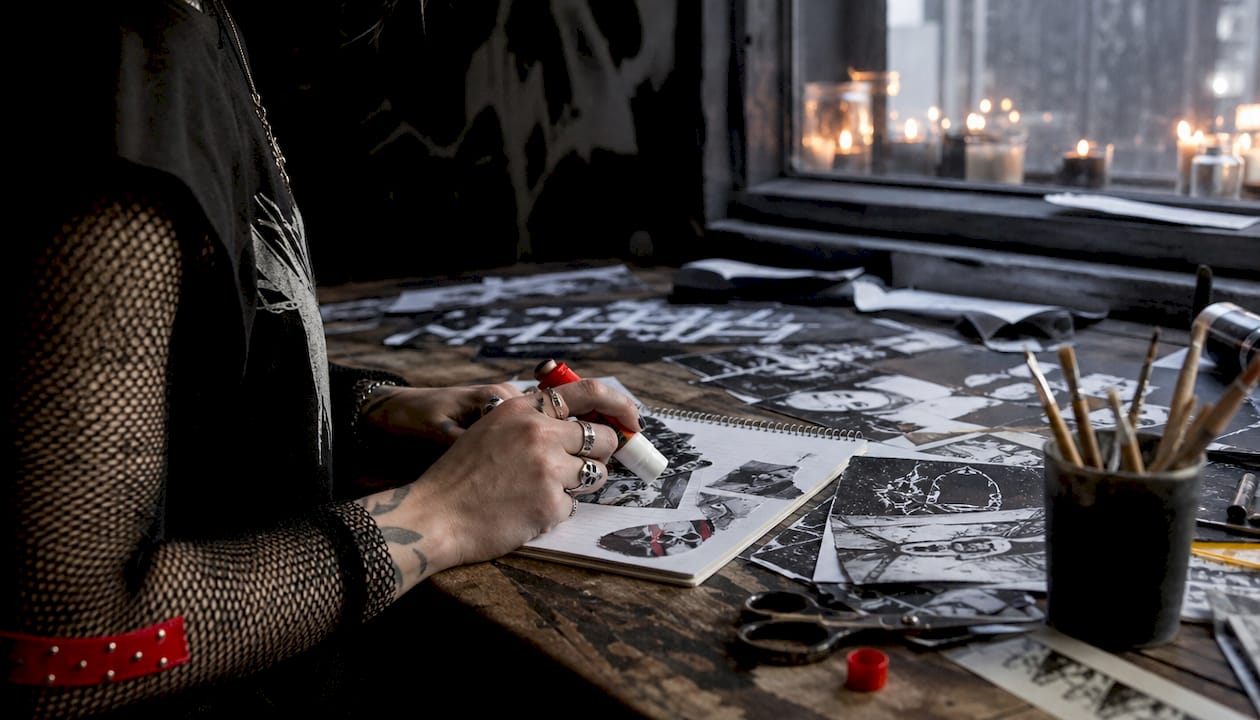
Pro Tip: If you want to understand zine aesthetics, study the original layouts of 1970s punk fanzines before you pick up a design tool. The imperfection is intentional, and copying it digitally without understanding why it exists produces hollow results.
Zines also shaped fashion from the start. Underground scenes used them as informal lookbooks, spreading silhouettes, DIY garment modifications, and styling ideas that never appeared in Vogue or Rolling Stone. The DIY ethos in music fashion that defines so much of today’s streetwear traces directly back to these early publications.
- Sniffin’ Glue launched in 1976 and ran for 12 issues, covering the early UK punk scene with zero commercial backing.
- Maximum Rocknroll became a global hub for hardcore and punk, connecting scenes across continents through its letters pages and reviews.
- Early zines functioned as networking tools, connecting bands, labels, and fans before the internet existed.
- The Riot Grrrl movement in the 1990s transformed zines into feminist platforms, pushing beyond music into systemic political critique.
What is the contemporary impact of zines on 2026 music and fashion?
The zine revival in 2026 is measurable and accelerating. Zine culture influences approximately 15% of new US fashion trends, driven by increased digital access to archival collections and a generation of creatives hungry for physical media. That influence shows up in silhouettes, textile patterns, and graphic treatments that deliberately reject the clean lines of algorithm-optimized fashion.
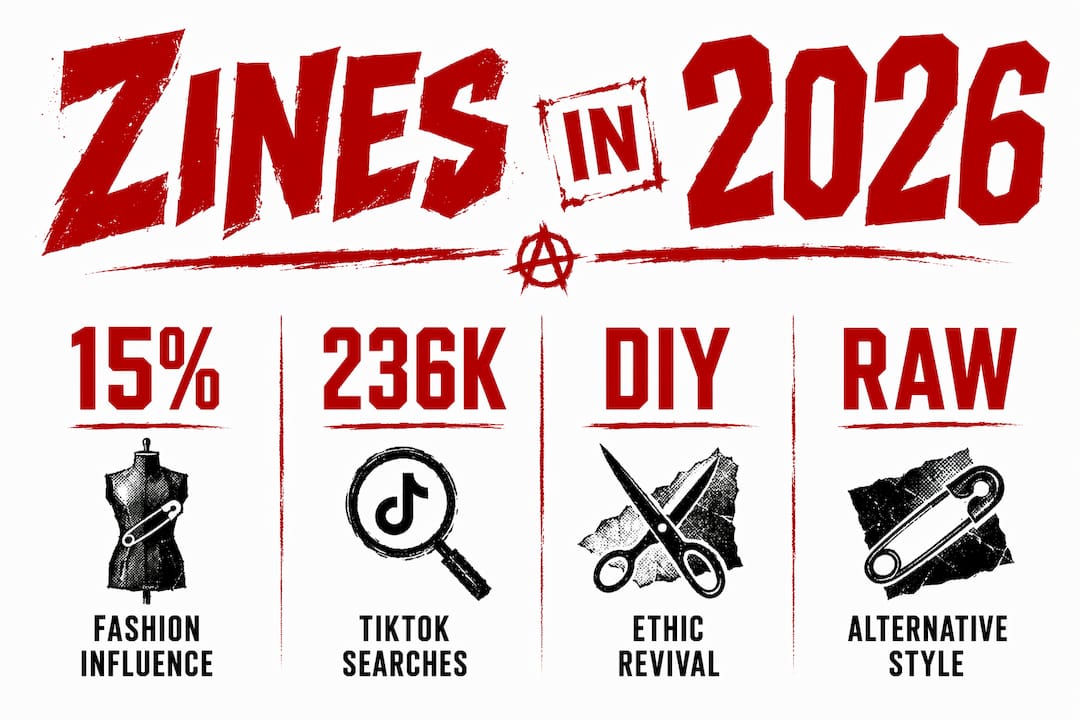
Over 236,000 TikTok searches in june 2026 for “how to make a zine” confirm that demand for DIY print media is not fringe anymore. Major players like MAC Cosmetics and i-D magazine now collaborate with indie zine creators to push physical print into mainstream consciousness. That collaboration is significant because it shows the aesthetic has enough cultural weight to attract institutional interest without losing its underground credibility.
Zine aesthetics respond to digital overload by offering tactile, slower experiences. Fashion designers translate this into raw energy through collage-inspired prints, hand-drawn graphics, and intentionally imperfect textile treatments. The result is clothing that feels like it was made by a person, not a production pipeline.
The contemporary impact breaks down across several clear areas:
- Silhouette and texture: Zine-inspired collections favor oversized, deconstructed shapes that mirror the cut-and-paste layouts of original fanzines.
- Graphic language: Hand-lettered type, photocopied textures, and collage imagery appear directly on garments as prints and embroidery.
- Brand collaboration: Major labels partner with indie zine artists to access authenticity they cannot manufacture internally.
- Tactile experience: Physical zines function as limited-edition brand artifacts, countering the disposability of digital content.
The dark alternative music fashion scene has absorbed zine aesthetics most visibly, with dystopian graphics and raw construction methods becoming defining features of forward-looking streetwear.
How do zines build community and political identity in youth culture?
Zines are platforms for voices that mainstream media actively excludes. That function has been central to their power since the beginning, and it remains their most important quality in 2026. The role of zines in youth culture extends far beyond aesthetics into collective identity formation and political organizing.
The Riot Grrrl movement of the 1990s is the clearest example of this power. Bands like Bikini Kill and Sleater-Kinney used zines not just to promote music but to circulate feminist theory, survivor testimony, and calls to action. These publications reached people in small towns who had no access to feminist organizing spaces. The zine was the community.
“Zines gave marginalized communities a medium they controlled completely. No editor could soften the message, no advertiser could pull funding, and no distributor could decide the content was too radical. That total ownership of the channel is what made zines politically potent in ways that no commercial publication could replicate.”
The DIY ethic behind zines encourages collaboration by design. Production requires multiple contributors: writers, illustrators, photographers, and distributors. That collective process builds the kind of shared identity that sustains subcultures over decades. The role of identity in fashion that drives today’s most committed style communities has deep roots in this collaborative zine production model.
Physical and digital distribution both matter. Zines historically traveled through mailing lists and record store trades. Today, PDF versions circulate on social media while physical copies sell at shows and independent bookstores. The hybrid model preserves the intimacy of the original format while expanding reach.
What practical ways can creatives engage with zine culture authentically?
Authentic engagement with zine culture requires more than copying the aesthetic. The most common mistake brands and creatives make is treating zines as a visual style rather than a practice with specific ethics and labor demands.
- Collaborate with actual zine makers. Commission existing zine creators rather than hiring graphic designers to simulate the look. The difference in output is immediate and the community notices.
- Use bricolage techniques directly. Bricolage links zine layouts and clothing design through collage and patchwork as a cohesive medium. Apply cut-and-paste logic to garment construction, not just surface graphics.
- Embrace imperfection as a design principle. Uneven stitching, visible seams, and hand-stamped graphics signal authenticity. Perfecting these elements digitally removes the meaning.
- Treat zines as brand archives. Brands now use zines as permanent archives and narrative tools that counter endless digital scrolling. A physical zine documenting a collection’s inspiration outlasts any Instagram post.
- Respect distribution labor. Zines historically relied on meticulous distribution via mailing lists and trades. Ignoring this logistical reality is a common pitfall. Plan physical distribution as seriously as you plan the design.
Pro Tip: Before launching a zine project, map your distribution network first. A beautifully made zine that sits in a box reaches no one. Identify record stores, independent bookshops, and community spaces willing to stock it before you print a single copy.
The punk-inspired streetwear styling that resonates most strongly today draws directly from this practice-based approach. The brands getting it right are the ones that treat zine culture as a living tradition, not a trend to extract from.
Key Takeaways
Zines are active cultural infrastructure that shape music, fashion, and political identity through DIY production, grassroots distribution, and unfiltered creative expression.
| Point | Details |
|---|---|
| Zines drive real fashion trends | Zine culture influences approximately 15% of new US fashion trends as of 2026. |
| DIY aesthetics carry political weight | Imperfection and collage in zine design signal authenticity and anti-establishment values, not just style. |
| Community is the core product | Zines build lasting subcultural identity through collaborative production and physical distribution networks. |
| Riot Grrrl expanded the scope | The 1990s Riot Grrrl movement proved zines could drive systemic political change, not just cultural commentary. |
| Brands must engage with integrity | Authentic zine engagement requires collaboration with real zine makers and respect for distribution labor. |
Why zines will outlast every trend cycle
I have watched a lot of cultural moments get declared dead and then return stronger than anyone predicted. Zines are different from most of those cycles because they never actually went away. They just moved to the margins where the interesting work always happens. What strikes me most about the 2026 revival is that it is not driven by nostalgia. The creatives making zines right now are not trying to recreate 1977. They are using the format because it solves a real problem: how do you say something true in a media environment built to dilute everything?
The commercialization pressure is real and worth naming directly. When MAC Cosmetics and i-D start pushing zine culture, the risk of hollowing out the format is genuine. But I think the format has a built-in defense mechanism. A zine made by a committee of brand managers to simulate authenticity is immediately recognizable as fake. The audience for real zines has a finely tuned detector for that kind of thing. The format self-selects for honesty.
What I find most compelling is the archival function. A physical zine from 1982 tells you more about what it felt like to be in that scene than any documentary can. The paper, the smudged ink, the handwritten corrections in the margins. That is cultural memory in a form that a server crash cannot erase. Brands and creatives who understand this are building something that will matter in 30 years. The ones chasing the aesthetic without the substance are building nothing.
— Johnathan
Anarxhy and the zine-inspired underground
Anarxhy builds streetwear for people who recognize the difference between wearing a subculture and living it. The brand’s design language draws directly from the raw, unfiltered visual energy that defined zine culture from its earliest days.
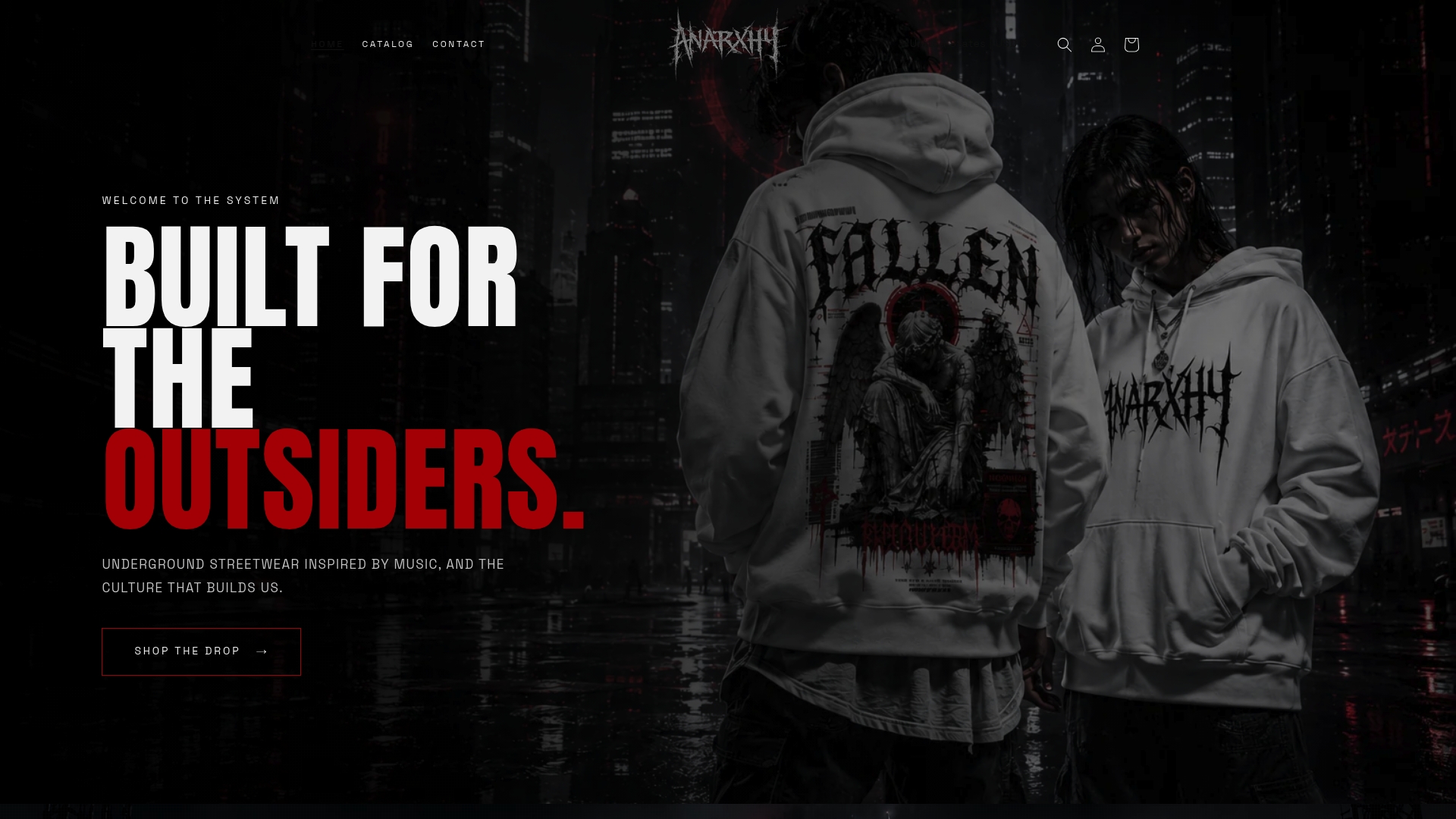
The FALLEN//001 DNR hoodie captures that spirit in a single garment. Dystopian graphics, deconstructed construction, and eco-conscious materials combine into something that reads like a zine cover brought into three dimensions. If you want to see what the full collection looks like, the new arrivals reflect the same commitment to underground authenticity that zine culture has always demanded. Anarxhy does not simulate the outsider ethos. It is built from it.
FAQ
What are zines and why do they matter in music culture?
Zines are self-published, independent magazines produced outside mainstream editorial systems. In music culture, they function as grassroots networking hubs, giving underground scenes a platform that commercial media refuses to provide.
How did punk zines influence fashion?
Punk zines like Sniffin’ Glue and Maximum Rocknroll spread DIY styling ideas, garment modifications, and subcultural looks that mainstream fashion ignored. Their cut-and-paste aesthetics directly shaped the graphic language of streetwear and underground fashion design.
What is the Riot Grrrl movement’s connection to zines?
The Riot Grrrl movement in the 1990s used zines to circulate feminist theory, survivor testimony, and political organizing beyond music scenes. This shifted zine culture from aesthetic documentation into a tool for systemic change.
How do zines influence fashion trends in 2026?
Zine culture drives approximately 15% of new US fashion trends in 2026, with collage graphics, hand-drawn elements, and deconstructed silhouettes appearing across independent and major label collections alike.
How can a brand engage with zine culture without appropriating it?
Brands should collaborate directly with existing zine creators, use bricolage techniques in actual garment construction, and treat physical zines as long-term archival tools rather than one-off marketing props.